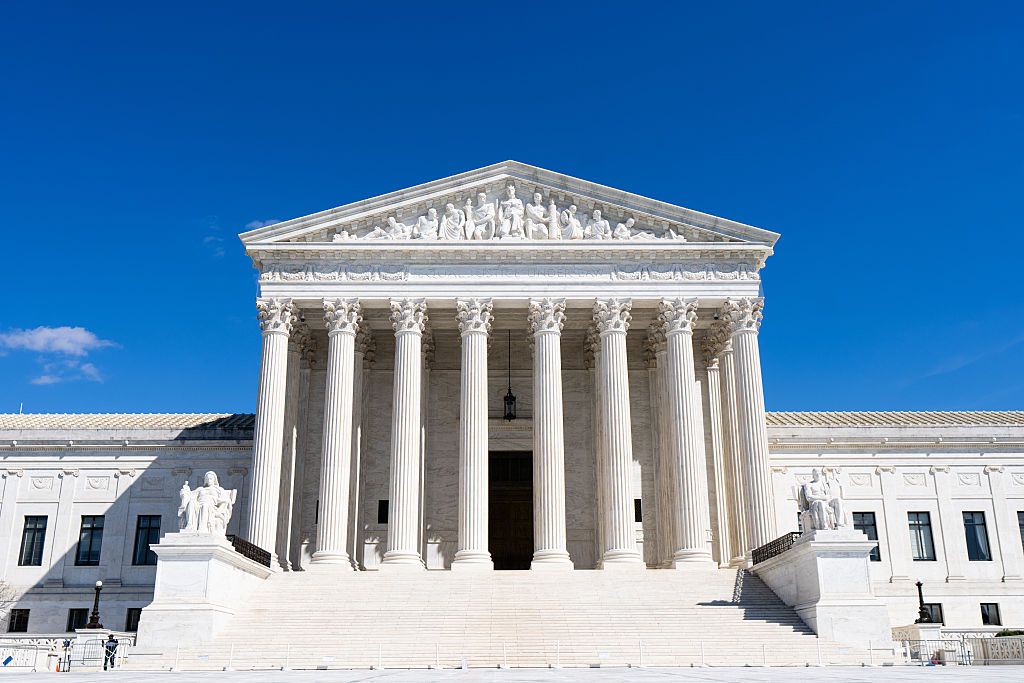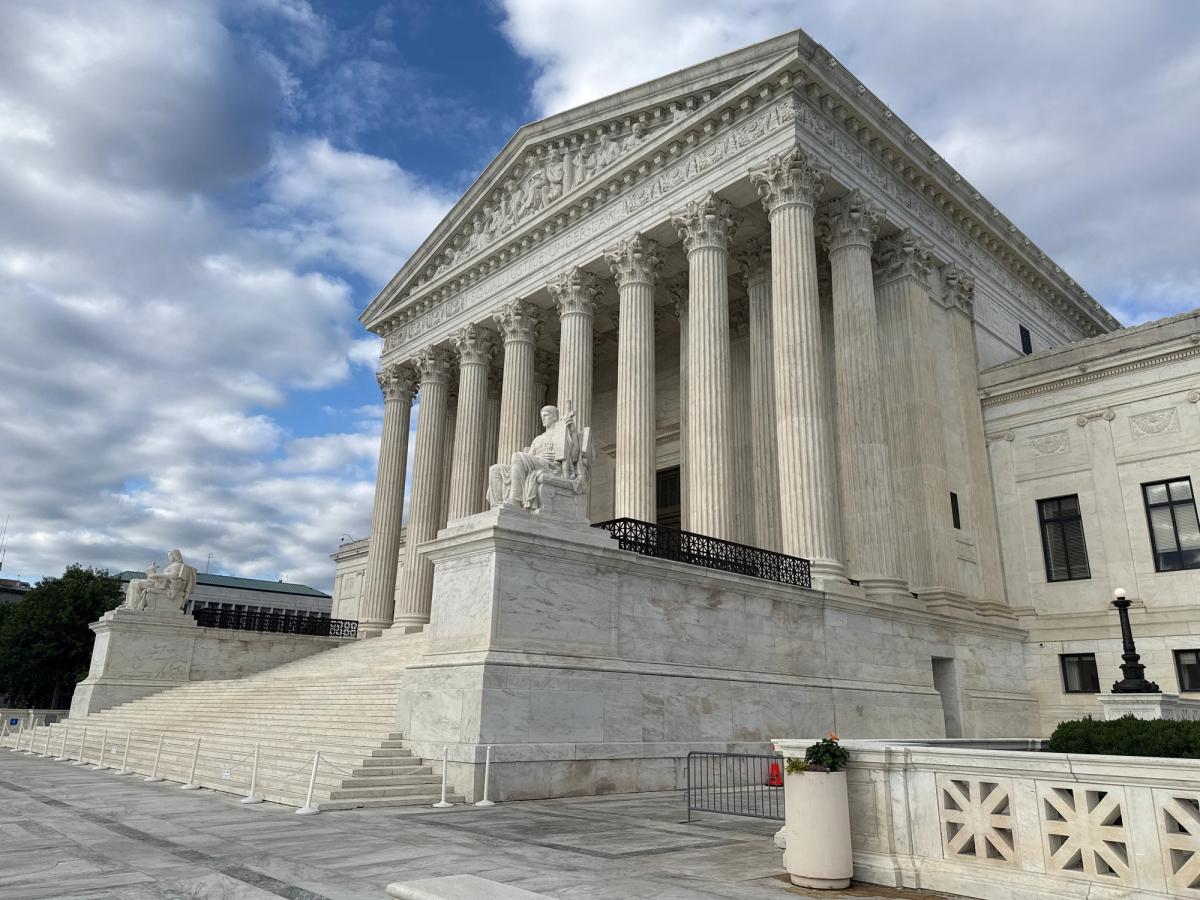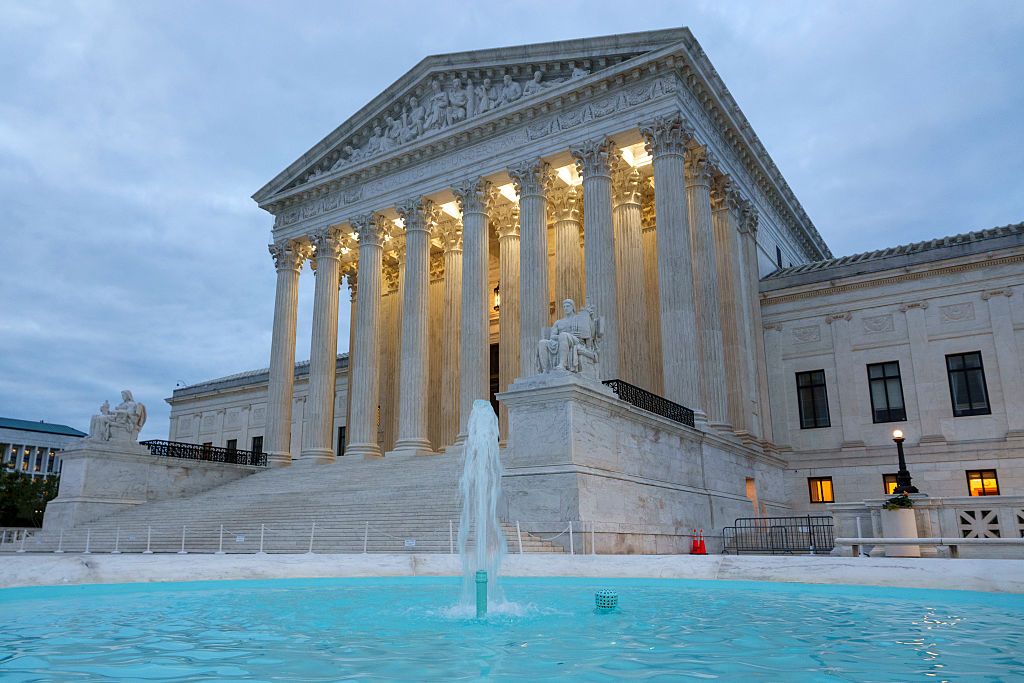







On Dec. 1, the Supreme Court is scheduled to hear oral argument in Jouppi v. Alaska, a case stemming from the seizure of an airplane valued at $95,000 as punishment for the misdemeanor offense of transporting a small quantity of beer to a “dry village.” Expected to be “one of the most significant criminal law decisions in the coming term,” Jouppi will shed light on the constitutional permissibility of the myriad of criminal forfeiture actions that generate massive revenue each year for federal, state, and local government. Jouppi also promises to be a milestone in the constitutional doctrine relating to civil forfeiture, which is even more lucrative for government than its criminal counterpart. That is because the Eighth Amendment’s excessive fines clause, which in the opinion of the plane’s owner prohibits Alaska from permanently depriving him of his property, applies to civil forfeitures as well as criminal ones, provided that the civil forfeiture at issue is (at least in part) “punitive.”
The plaintiff in the case, 83-year-old Ken Jouppi, ranks among the most sympathetic clients ever represented by The Institute for Justice in its long, storied career of standing up for individuals against what appears to the general public to be outrageous government overreach. This is no small feat given that past IJ clients include Susette Kelo and Wilhemina Dery of Kelo v. City of New London fame. Jouppi, an Air Force veteran who has piloted “medevac and search missions,” founded and operated his own business, “KenAir,” to fly residents and visitors to remote parts of Alaska. KenAir provided essential services, including food transport, for those who live and work in places inaccessible or hard to reach by road.
In April 2012, state troopers arrived on the tarmac in Fairbanks and discovered that a cargo of groceries belonging to a passenger that Jouppi had just loaded onto his plane contained three cases worth of beer. Jouppi’s protests that he had no knowledge of the contents of his customers’ luggage failed to impress state officials, who insisted that he had a clear line of sight to at least one six-pack of the contraband. Found guilty at trial and sentenced to 180 days (with 177 suspended) in jail plus fines totaling $3,000, Jouppi also faced the loss of his plane, an asset of immense personal and professional value to him. His legal challenges in state court ultimately met defeat. Alaska’s Supreme Court held that “as a matter of law” Jouppi “failed to establish” that “forfeiture would be unconstitutionally excessive.”
To be sure, Alaska is not an entirely unappealing litigant. As noted in Alaska’s brief in opposition to certiorari, the statutory framework that tripped up Jouppi was crafted to address the very serious problem of alcohol abuse in rural areas. A recent episode of the podcast Advisory Opinions made similar points.
In determining whether the forfeiture of Jouppi’s plane would impose an “excessive fine” in violation of the Eighth Amendment, the court has little modern precedent to draw upon. That is in part due to the fact that not until 2019, in Timbs v. Indiana, did the court hold that the excessive fines clause is fully incorporated against state and local governments through the 14th Amendment’s due process clause.
The most salient precedent on point, United States v. Bajakajian, is a 5-4 decision from 1998 with a majority opinion by Justice Clarence Thomas. Bajakajian resulted from the failure to declare $357,144 in currency, as required by federal law, by an individual who was leaving the country. The United States government sought forfeiture of the entire amount, which defendant Bajakajian successfully argued would constitute an excessive fine. In ruling for Bajakajian, the court held that “a punitive forfeiture violates the Excessive Fines Clause if it is grossly disproportionate to the gravity of a defendant’s offense.” Precisely what this means is not entirely clear and, not surprisingly, in the almost three decades since Bajakajian was decided courts have diverged in their interpretations of its articulated standard. This has resulted in confusion regarding whether and to what extent courts must consider the gravity of the wrongful conduct of the individual whose property is up for government acquisition.
If the court opts to work within the “history and tradition” framework it has favored in recent years, then Jouppi is an easy case. The long-standing practice of the common law was to look “to a defendant’s specific conduct to determine whether a fine was excessive relative to the defendant’s conduct.” This “proportionality guarantee,” enshrined in the Eighth Amendment, ensures that the severity of the financial sanctions imposed against defendants like Jouppi are weighed against their actual culpability for specific offenses, not “the broad and generalized societal ills that gave rise to the penal statute.” In addition, forfeiture – both criminal and civil – played a far more limited role in law enforcement for most of Anglo-American history than it does today. Now a multibillion-dollar cash cow for government at all levels, forfeiture has “largely broken out of the common law boundaries that contained it.”
Prudential reasons also militate for interpreting the excessive fines clause to require courts to provide careful, individualized oversight of government forfeitures of property. It is an unfortunate truth that governments have strong incentives to enrich themselves by taking the belongings of the governed. A legal regime that considers the gravity of property owners’ behavior only in the abstract runs the risk of facilitating government abuse.
Jouppi affords the court a golden opportunity to make clear that rights to acquire and retain property are essential not just for the rich but also for middle- and working-class individuals. In other recent cases involving property rights, the court has done just that. In Tyler v. Hennepin County, for example, the court held that the Fifth Amendment’s takings clause prohibited a local government from retaining the entire $40,000 proceeds from the sale of a modest condominium confiscated to satisfy a nonagenarian’s $15,000 tax debt, and in Cedar Park Nursery v. Hassid the court protected the rights of two medium-sized businesses to exclude potential disruptors. A ruling that Ken Jouppi is entitled to get his plane back would thus be in accord with what is emerging as a cornerstone of the jurisprudence of the Roberts court: that the courts stand ready to defend property rights against encroachment by the political branches.
Continue reading...
[ H/T SCOTUSblog ]