



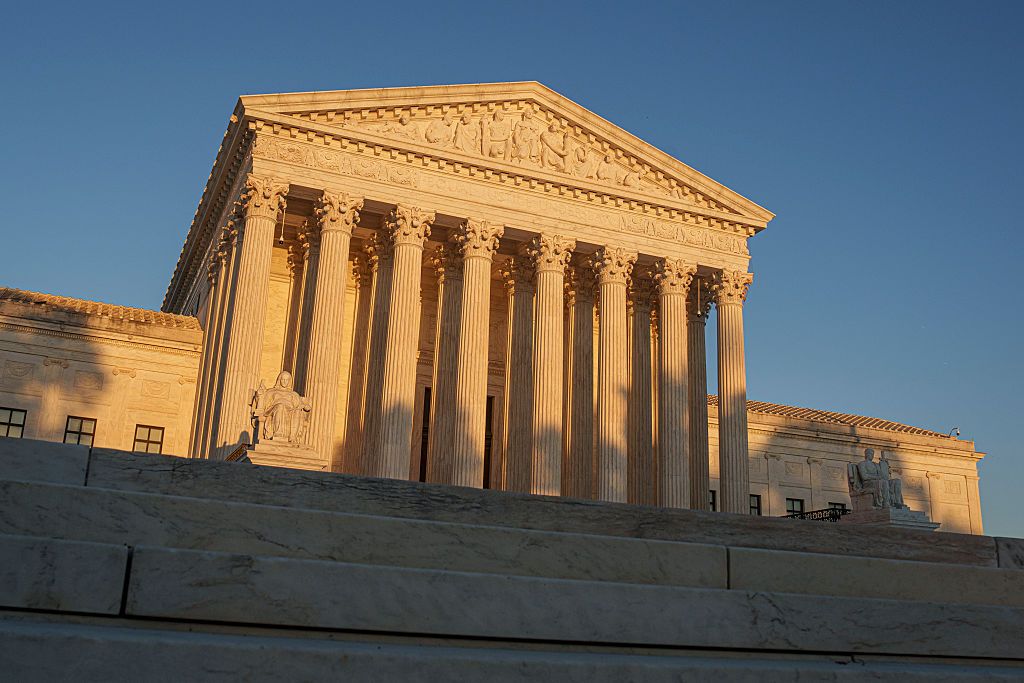
On Wednesday, the Supreme Court will hear argument in Department of the Air Force v. Prutehi Guåhan. The question raised: Does federal law allow the U.S. Air Force to conduct less environmental review and community consultation when it disposes of hazardous munitions by exploding them on sensitive shorelines than when it builds roads or other military facilities?
Prutehi Guåhan, a local environmental and cultural organization, wants to ensure that the Air Force follows the National Environmental Policy Act’s expansive environmental and community consultation requirements – ones it routinely follows for other military buildup activities in Guam – before making any decisions about whether and how to dispose of toxic explosives on the island. The federal government, on the other hand, contends that this statute does not apply to the disposal of hazardous waste, which is also regulated by another statute, although it raises little in terms of textual arguments to make the case for a carveout.
Like many environmental and administrative law cases that reach the Supreme Court, the resolution of this case will turn on the kinds of textual and doctrinal analyses that leave even most lawyers’ heads spinning. But unlike most Supreme Court cases – and what may get barely mentioned at oral argument – is that this one involves the people of Guam, whose residents cannot vote for the president who nominates justices to the Supreme Court and who lack any form of representation in the U.S. Senate that confirms them. Guam’s Indigenous CHamoru people also continue to be denied the opportunity to exercise their right to self-determination.
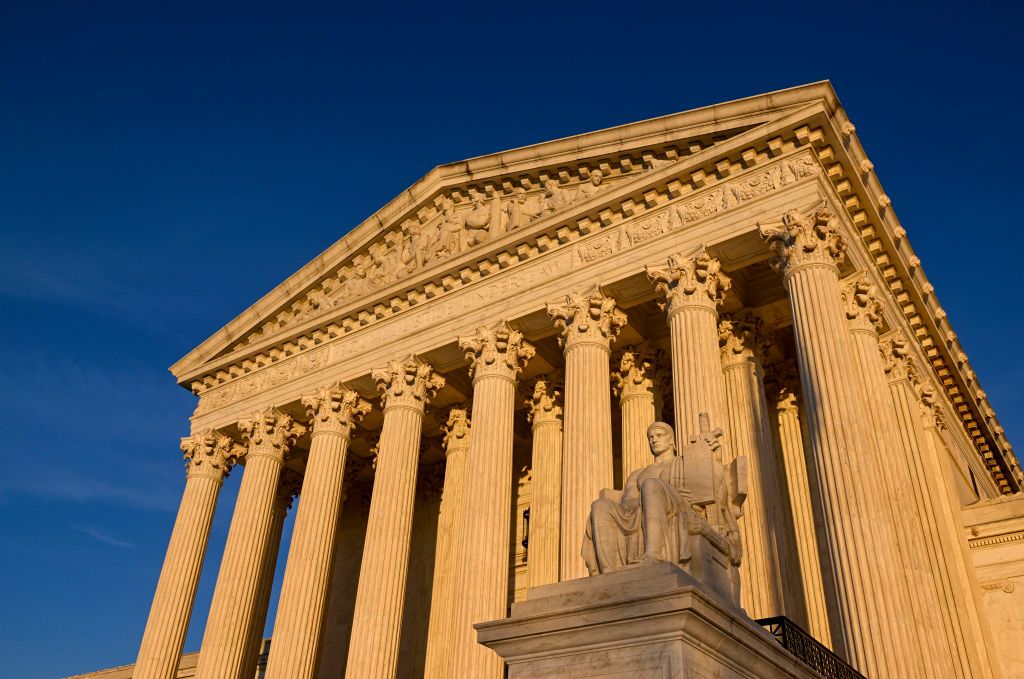
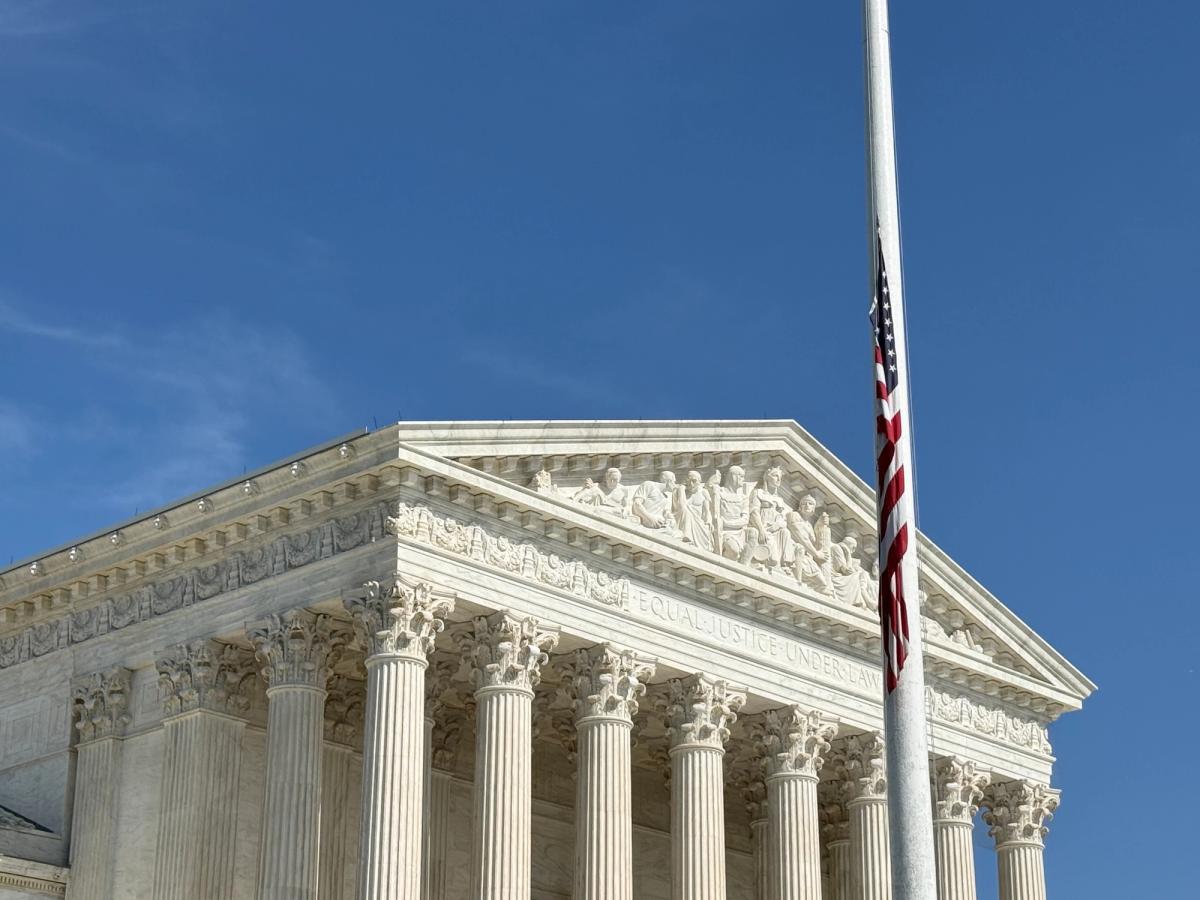
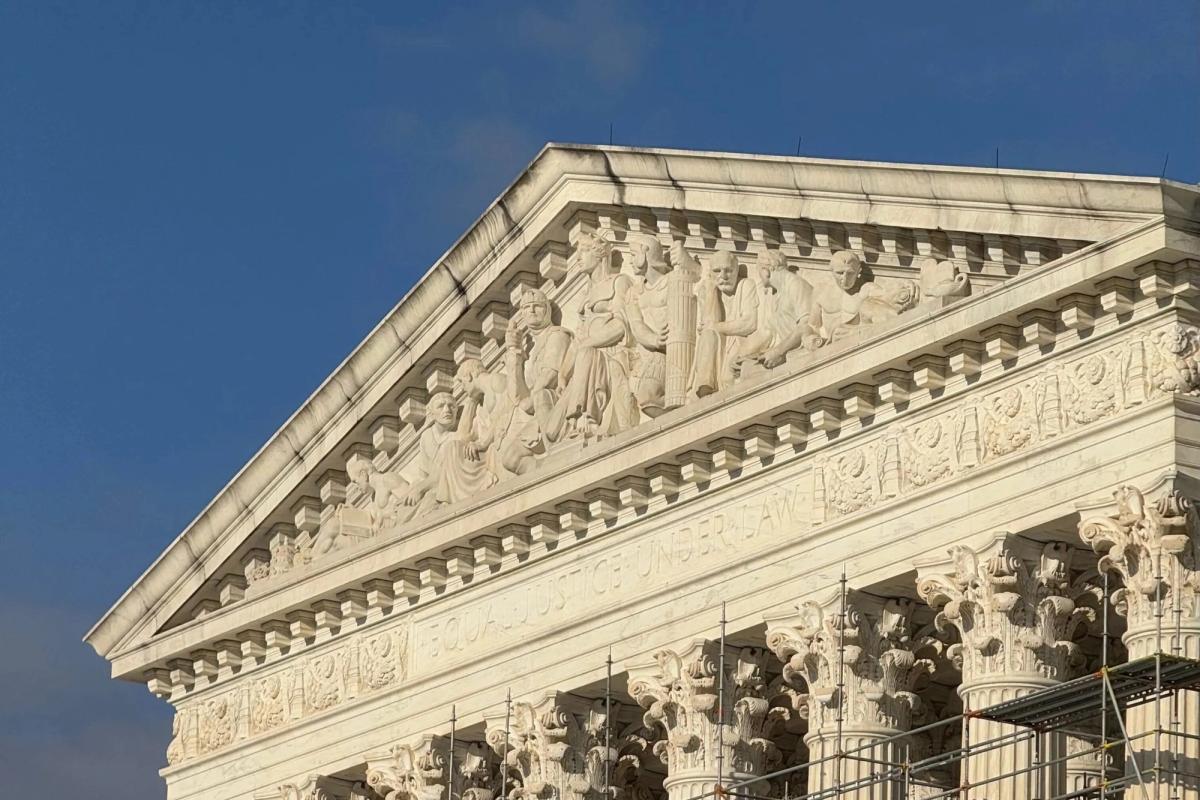
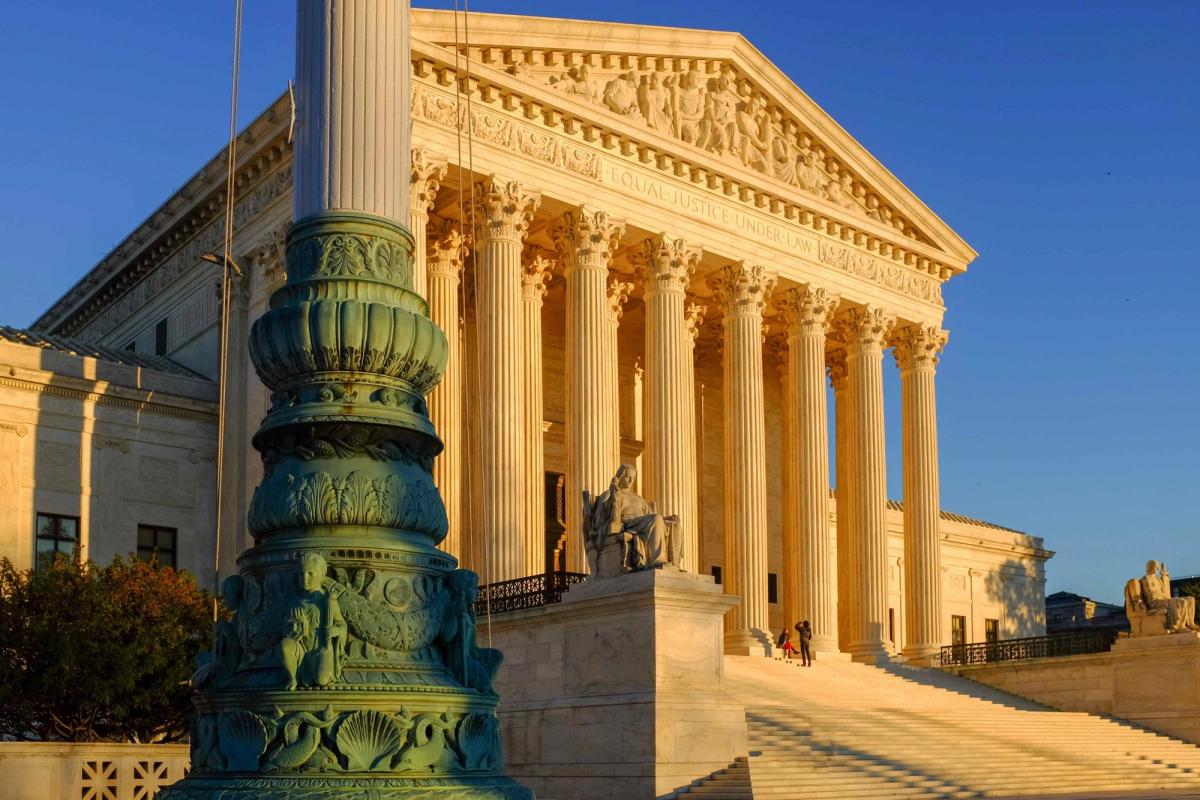
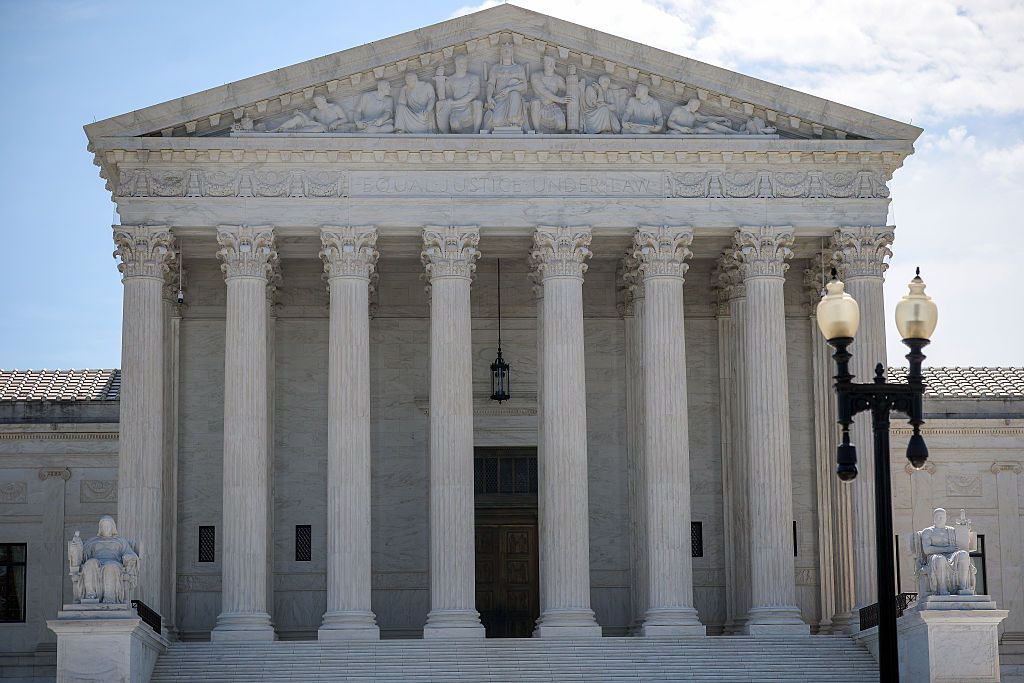
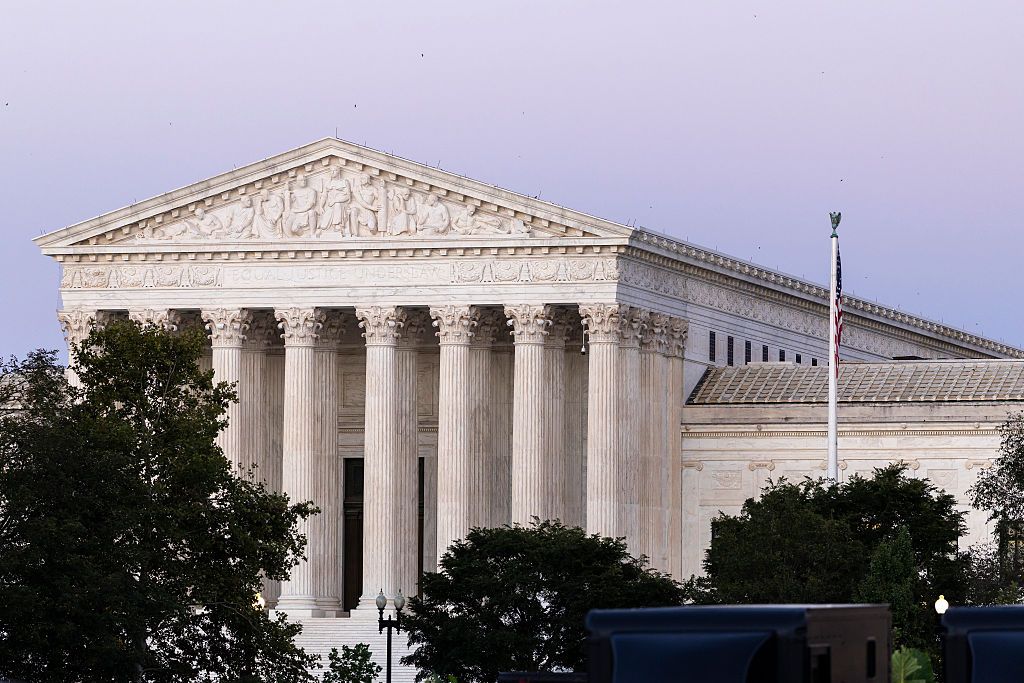
This unbalanced political relationship raises a broader question the Supreme Court is unlikely to directly answer in the case but is critical nonetheless: What does “Equal Justice Under Law” – the words emblazoned above the entrance to the Supreme Court – mean for the people of Guam and other U.S. territories?
U.S. military actions have scarred Guam’s environment and people
The United States claimed sovereignty over Guam, along with Puerto Rico and the Philippines, following the 1898 Spanish-American War. For the next four decades, the U.S. ruled the people of Guam through a naval governor appointed by the president, without any form of local democratic government or political accountability. In 1941, the same day Japanese planes bombed Pearl Harbor, Imperial Japanese forces invaded and occupied Guam, which had been left undefended by the U.S. Navy. Nearly 10% of Guam’s population died during the brutal Japanese occupation. U.S. military forces were hailed as heroes in 1944 after they “liberated” the people of Guam, returning the island to naval rule.
In the decades since World War II, the presence and impact of the military has been ubiquitous. Today, Guam has higher military service rates than any of the 50 states. Yet Guam veterans struggle to access veterans’ health benefits. And nearly a quarter of Guam’s land remains under military control, with ancestral lands taken and blocked off by high barbed-wire fences.
Additionally, military activities in Guam have produced a steep ecological and human cost, leaving a footprint of hazardous waste and toxic pollutants like PFAS, PCBs, Agent Orange, radiation fallout, asbestos, and more across the island. This all has contributed to disproportionate cancer rates, neurological disorders, and other health problems. A recent exposé called The Pesticide Papers detailed how military use of dieldrin, a now-banned pesticide, made it into Guam’s sole-source aquifer, with military and Guam officials failing to notify civilian families of the risks for many years. Today, residents of Guam also question whether a surge of recent military expansion on the island makes them more or less safe. They live in fear with the fact that Chinese media has dubbed one of its ballistic missiles the “Guam killer.”
The people of Guam have little power or agency to influence federal decisions that impact their lives – which makes community consultation through federal laws like NEPA all the more important. Guam did not even have its own elected governor until 1971. And even today, the U.S. military has significant influence over Guam’s elected government. In 2022, Guam passed a ban on the kind of open detonation of explosives now being challenged in the Prutehi Guåhan case. Months later, facing pressure from the U.S. military - including a threat to stop disposing of the World War II ordnances routinely discovered throughout the island – Guam abruptly repealed its freshly enacted ban. The local environmental agency tasked with reviewing the Air Force’s open detonation permit has raised significant concerns about the activities over the last five years. But, facing explicit and implicit pressure from the military, it has hesitated to say no outright.
Consultation does not equal consent
Even if the Supreme Court rules in Prutehi Guåhan’s favor and requires the Air Force to follow the same environmental and community consultation standards under NEPA it applies to other military projects, the sordid history of unilateral federal action in Guam and other territories highlights how federal consultation is not the same as consent.
In 2010, community opposition expressed in Guam during the NEPA community consultation process led the military to reconsider plans to locate a firing range complex at Pagat, a sacred site of significant environmental and cultural value. But that was just a pause. A few years later the military simply shifted the location to Ritidian/Litekyan, bulldozing 900 football fields of pristine limestone forest and cultural sites over strong objections from Guam’s leaders and people.
The U.S. Department of Interior is also currently sprinting ahead with plans to open the waters off Guam, the Northern Mariana Islands, and American Samoa to deep sea mining. Following over 60,000 comments objecting to the imposition of deep sea mining, Interior responded by doubling the proposed lease area and limiting the process for environmental review and community engagement.
In Puerto Rico, decades of military bombing exercises on the island of Vieques have left its people and environment with lasting injuries long after the military pulled out. And in the Virgin Islands, the White House is currently exploring ways to reopen an aging oil refinery where federal environmental oversight has repeatedly failed the local population.
What does “Justice” mean under a colonial legal framework?
All this has heightened relevance as the U.S. celebrates the 250th anniversary of the Declaration of Independence and the 3.6 million residents of U.S. territories are left to consider what its rejection of colonial rule and embrace of “consent of the governed” mean for them. As explored in prior articles, this year also marks the 125th anniversary of the Insular Cases, a series of Supreme Court decisions that allowed the federal government to expand U.S. sovereignty to far-away island communities without extending constitutional protections, political rights, or self-determination.
Under the colonial legal framework established by that precedent, which was expressly grounded in racism, people in the territories have no voting representation in any federal decisions, many of which can have an existential impact on their lives. At the same time, they pay over $5 billion in federal taxes a year. Further, local self-government is a privilege the federal government claims the power to take away at any time – and has largely taken away in Puerto Rico over the last decade through a federal oversight board. None of this would be acceptable for people in any other U.S. jurisdiction, or even internationally. So why is it acceptable for people in U.S. territories?
Even federal judges in Guam do not have the same Article III life tenure as federal judges in other parts of the United States. As an amicus brief filed by the Virgin Island Bar Association highlights, the federal judge whose decision in favor of the Air Force was reversed by the U.S. Court of Appeals for the 9th Circuit serves at the pleasure of the president, who can replace her for any reason or no reason at all. Not ideal for judicial independence. Inside the Supreme Court, its “Pathways to the Supreme Court” diagram on how cases reach the high court includes the supreme courts of the 50 states but incorrectly leaves out the supreme courts of the five territories. A small slight, but one that perhaps offers a window into how the Supreme Court has historically treated people in U.S. territories.
On Wednesday, as people from across all five U.S. territories arrive to hear the Prutehi Guåhan argument at the Supreme Court, however the courts rules, they will still be left wondering what “Equal Justice Under Law” means to them.
Disclaimer: The authors served as counsel in an amicus brief filed in support of the Prutehi Guåhan respondents on behalf of community-based environmental and cultural organizations from all five U.S. territories.
Continue reading...
[ H/T SCOTUSblog ]