




I learned the grocery business the way most grocers do: by working in one. My family ran neighborhood supermarkets in New Orleans for generations, and I learned early that a central point of a grocer’s job is to say yes. Yes, we carry it. Yes, we’ll order it. Yes, it will be on the shelf Thursday.
Independent grocers all over the country are having to say no more often now, and not because anything is scarce. They are saying it because somebody else has already claimed the product.
This spring, La Tiara, a beloved taco shell brand that Kansas City families have bought for generations, is reopening a Gladstone, Missouri, plant and creating more than 100 jobs. Good news, and then the terms: The products would be sold “exclusively at Walmart.” A grocer a few blocks from that plant, who sold La Tiara for decades, can’t buy a single case at any price. One local independent grocer even resorted to buying the product off his competitor’s shelves just to stock it in his own store. In effect, he had to become his competitor’s customer just to serve his own.
It isn’t isolated. “Walmart Exclusive” appears on an Uncrustables flavor on the brand’s own website. A Mountain Dew flavor would “only be found at Walmart.” A new 7UP flavor went to Kroger alone. Nobody hid any of this. They announced it.
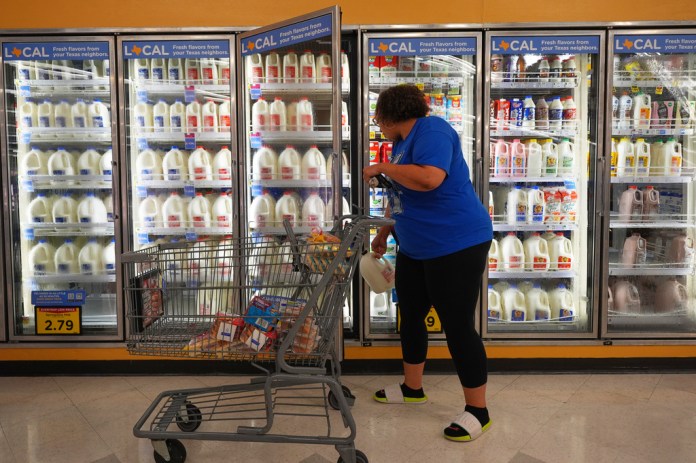
And another, as the press release described it, “arriving at a moment when consumer demand for protein has never been stronger,” MULU cottage cheese could be found only at dairy cases in Walmart stores nationwide.
Independent grocers are not looking to vilify the companies that make these products. They have been good partners to independent grocers for a long time. But consider the position they are in.
At one major food company, a single customer now accounts for 34% of net sales. At another it is 29%. A third has told shareholders that losing that customer would have a “material adverse effect” on two of its segments. None of that is a complaint. It is ordinary disclosure, and it describes a marketplace where one buyer’s preferences outweigh everyone else’s combined.
Yet independent grocers are not marginal businesses asking for a favor. Independent grocers ring up more than 38% of this country’s food retail sales and support 1.48 million jobs. In thousands of small towns and city neighborhoods, ours is the full-service store families count on, the largest private employer on the block, and the business that sponsors the ball team and keeps the food bank stocked.
They earn all of it in the open, competing and winning on service, on quality, on fresh produce and a real meat counter, on knowing customers by name, and carrying what a neighborhood actually eats. They win everywhere the contest is real. What we want is the same products, in the same packages, on the same terms, available to anybody willing to pay for them.
When a single account becomes so dominant, nobody has to make a demand out loud. The terms follow the leverage, and the grocer on Main Street is left out of the conversation.
For years, this country worried about companies becoming too big to fail. Something quieter has grown up alongside it. A handful of retailers have become so central to how food reaches Americans that few people in the business are willing to say plainly when something is unfair. Suppliers, competitors, and grocers simply weigh the value of the relationship against the cost of speaking up, and too often, the complaint gets set aside.
Call it too big to admonish. It is a more stubborn problem than size alone. Conduct that might draw scrutiny in another industry can go largely unchallenged in the food retail industry, not because everyone approves of it, but because those best positioned to object often have the most to lose in maintaining the relationship.
IRAN WEAPONIZED ONE CHOKEPOINT IN THE GULF. WE HAVE DOZENS UNPROTECTED AT HOME
Independent grocers are frequently recognized for the important role they play in their communities, but recognition should be matched with action. Lawmakers should be willing to ask tougher questions about the competitive pressures these businesses face and whether today’s marketplace is truly operating on a level playing field. Much of the information needed to begin that examination is already publicly available in company annual reports, earnings disclosures, and press releases. The next step is for policymakers to examine the evidence, ask the right questions, and ensure our competition laws are working as intended.
My family’s store taught me what these independent local businesses can do when the terms are honest. The grocers behind their counters today are not asking anyone to protect them from competition. They are asking the rest of us to be willing to say when it isn’t competition at all.
Greg Ferrara is president and CEO of the National Grocers Association and previously managed his family’s grocery store in New Orleans.
Continue reading...
[ H/T Washington Examiner ]