






The International Energy Agency said it will release more than 400 million barrels of oil initially agreed upon in March as part of an effort to curb global fuel prices.
The Paris-based IEA said Thursday in a statement that it will complete the release of the remaining 100 million barrels of oil it approved in March. It noted that the total would exceed 400 million barrels because some members released more than they had initially agreed to. The IEA said it has so far released about 330 million barrels.
The IEA said its members have agreed to accelerate the release of the remaining volumes, which will also include more than 20 million barrels of diesel.
Member nations “stated their willingness to take further actions to address challenges in global energy markets,” the IEA said.
The U.S., ahead of Thursday’s meeting, had informally advocated for more oil to be released to stop rising diesel prices, asking for an additional 100 million barrels, Bloomberg reported. However, the U.S. did not formally propose releasing more oil at Thursday meeting.
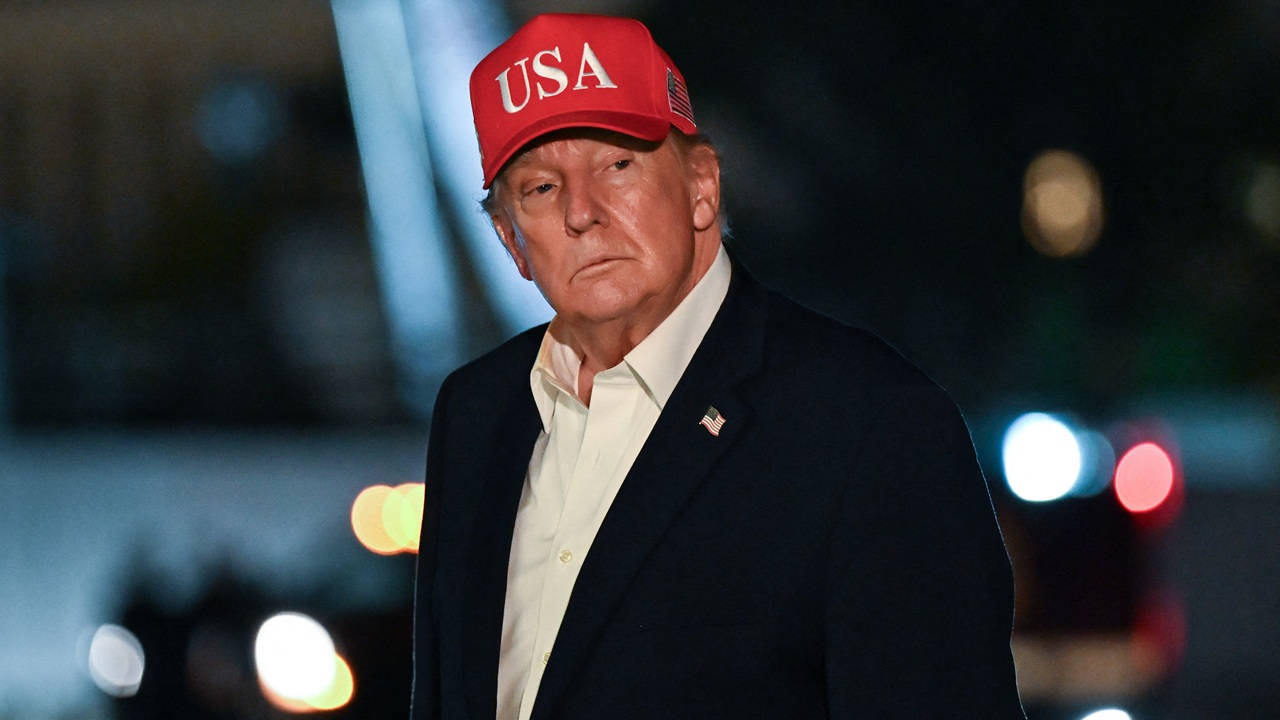
Earlier this month, President Donald Trump pressed European nations to release emergency oil and diesel to help ease high fuel prices caused by conflict in Iran and Ukraine.
In response to pressure by the U.S., the Group of Seven agreed to release up to 100 million barrels of oil and diesel from emergency stock. The IEA will coordinate the release of fuel over the next four months.
Trump has taken several measures to ease fuel prices ahead of the midterm elections, even making a deal with Russia to supply the global market with diesel.
However, the IEA warned on Wednesday that the global diesel shortage could last into 2027.
The agency said the combined net exports of diesel from the Middle East and Russia fell by 1.3 million barrels per day to 820,000 barrels per day in September.
LIST: WHERE ALL THE CANDIDATES IN COMPETITIVE SENATE RACES STAND ON DATA CENTERS
“Record diesel prices are already having broad economic consequences by raising the cost of goods and impacting real incomes, economic activity, and inflation,” IEA said.
As global oil reserves continue to diminish and conflicts in the Middle East remain unresolved, oil markets may experience more turmoil in the next few months before any eventual surplus emerges in 2027, the IEA said.
Continue reading...
[ H/T Washington Examiner ]