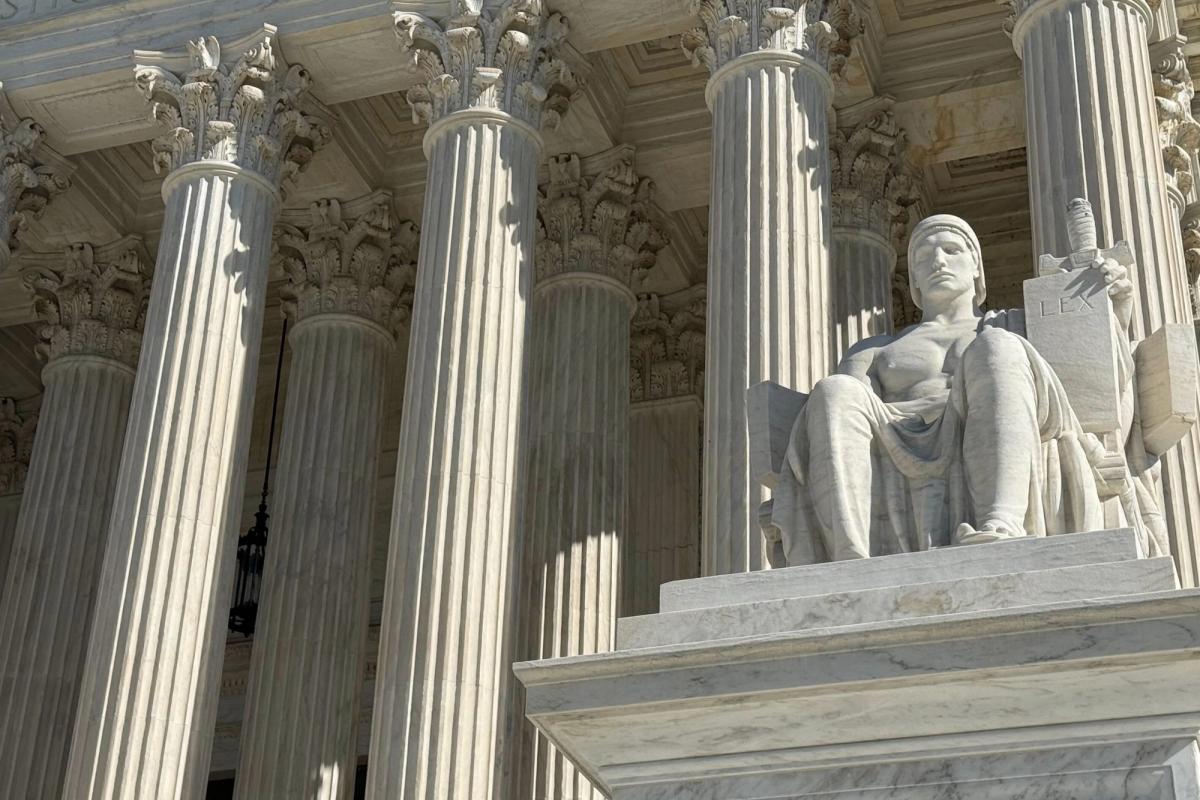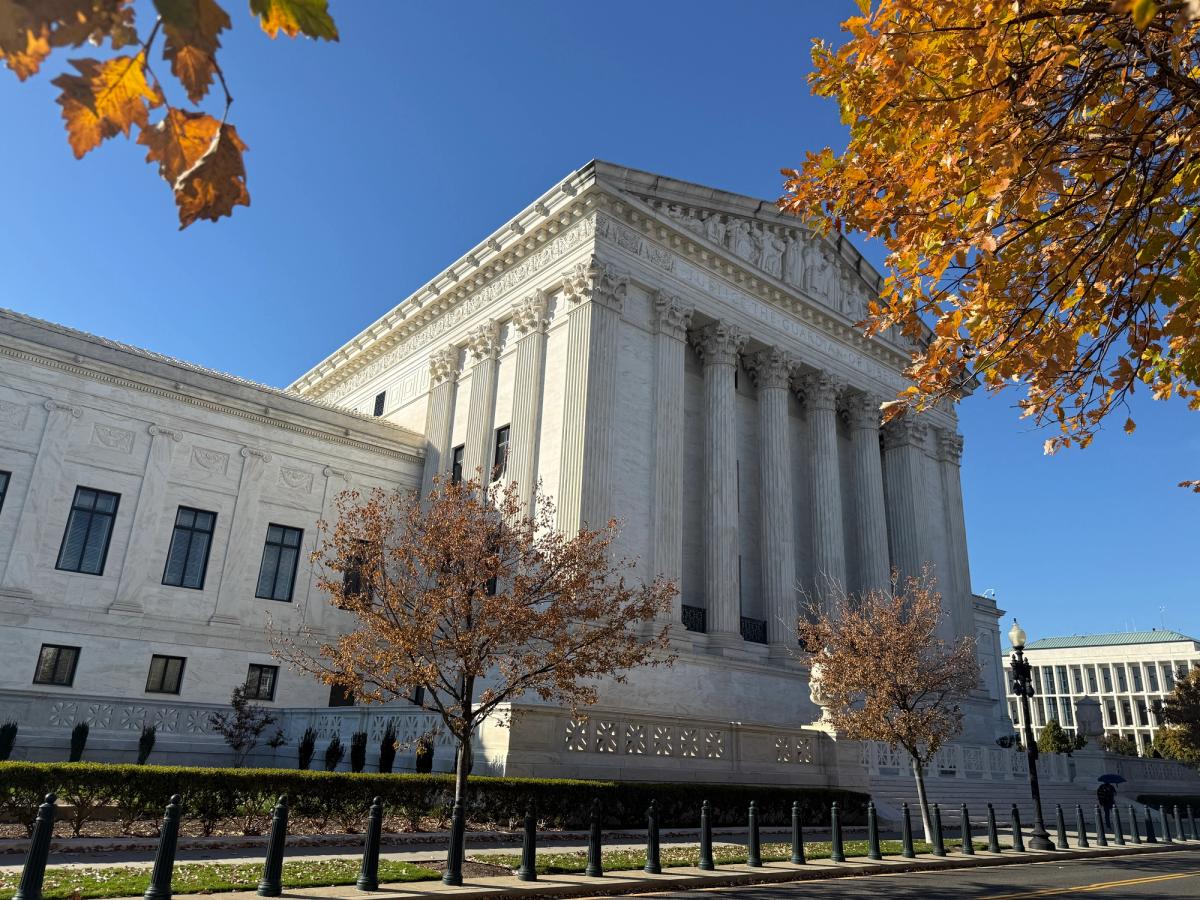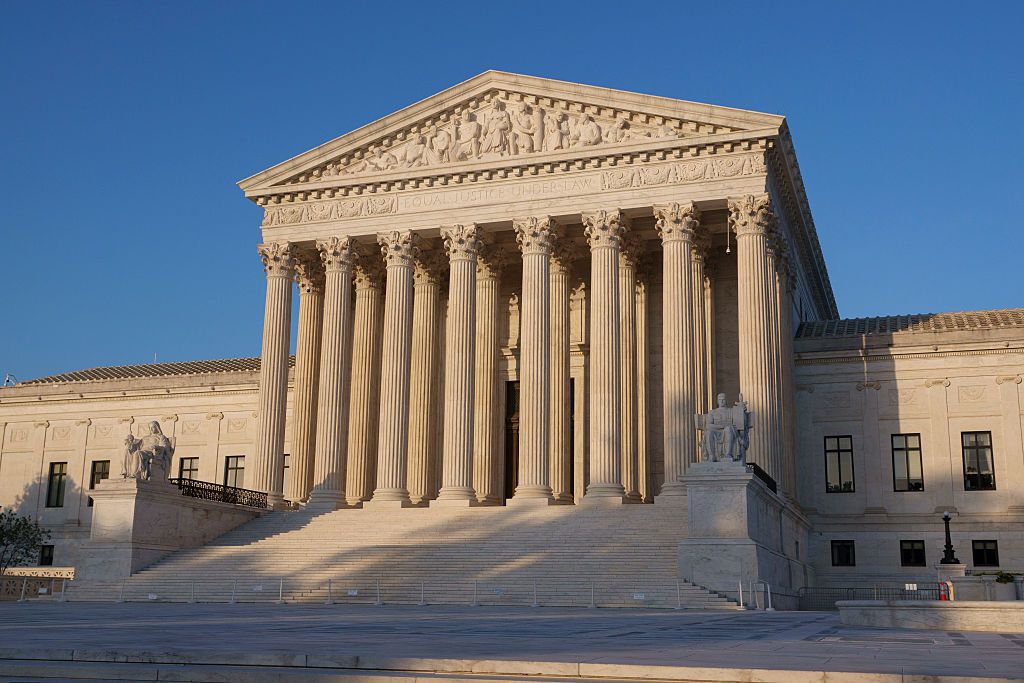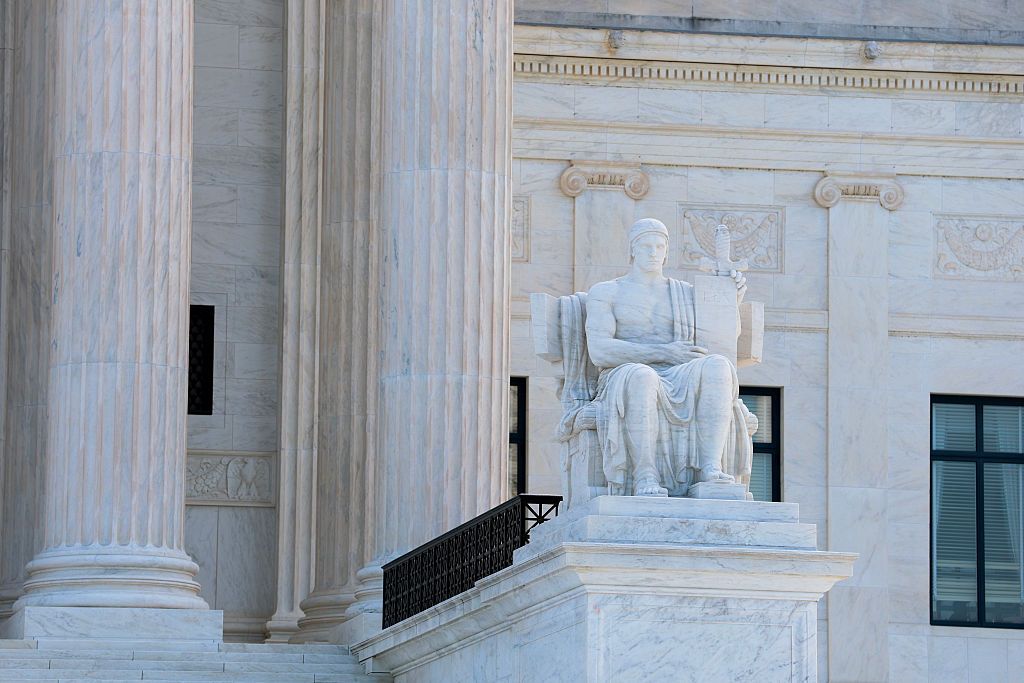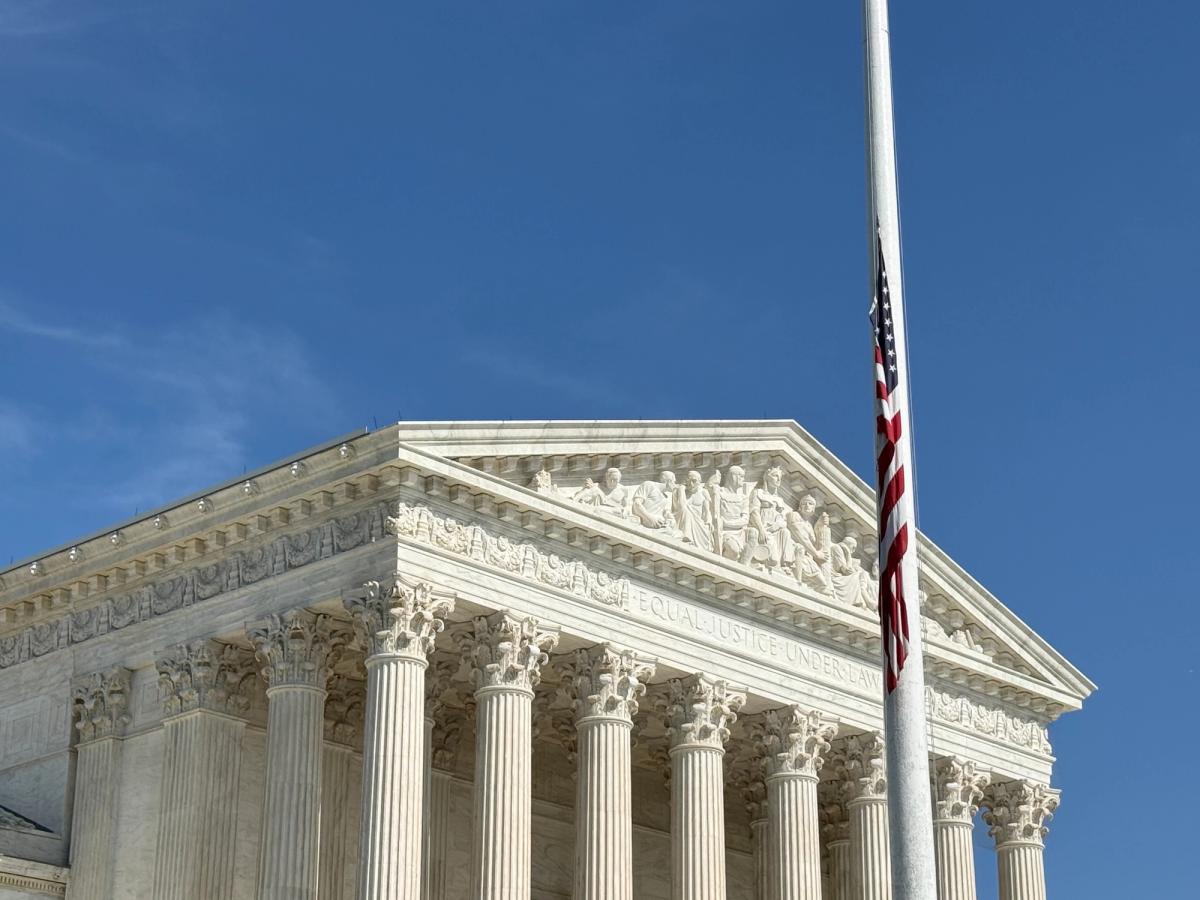

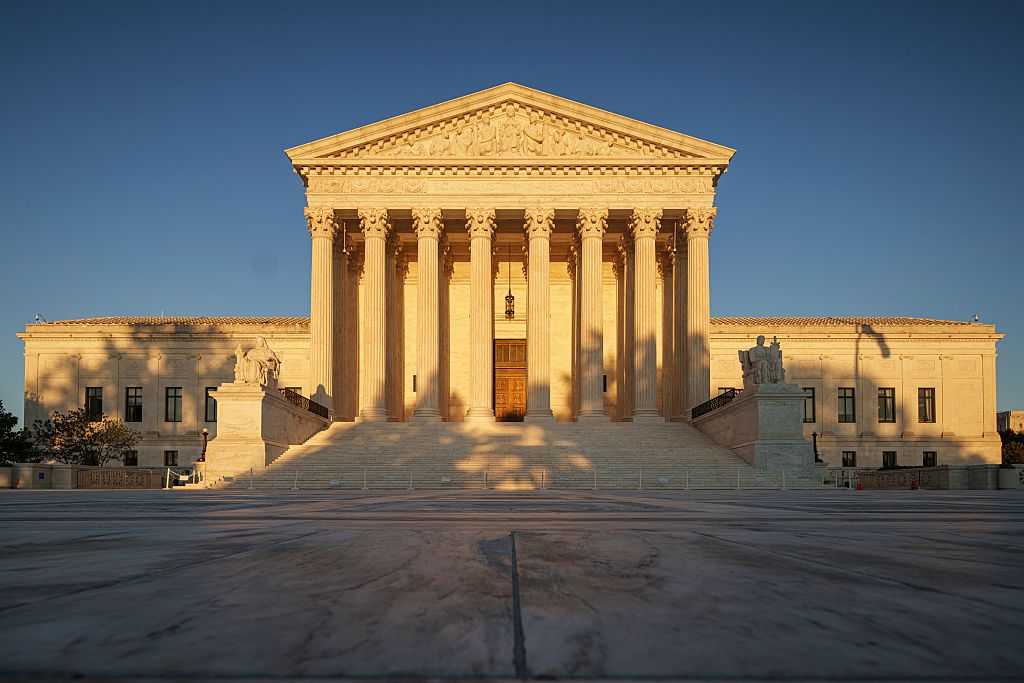
The Supreme Court on Monday cleared the way for the Trump administration to resume construction of a border wall in the Big Bend region of southwestern Texas. In a four-page, unsigned opinion, the justices granted the government’s request to pause an order by a federal district judge that had temporarily halted the project. Only Justice Ketanji Brown Jackson indicated, without explanation, that she would have denied the government’s request.
The dispute began earlier this year, when then-Homeland Security Secretary Kristi Noem and her successor, Markwayne Mullin, issued three waivers of various environmental and conservation laws to authorize construction of the wall in the Big Bend region, which includes parts of Big Bend National Park. Noem and Mullin relied on a provision of the Illegal Immigration Reform and Immigrant Responsibility Act of 1996 that gives the DHS secretary the power to “waive all legal requirements” necessary “to ensure expeditious construction” of border walls and roads. When they announced the waivers, Noem and Mullin indicated that the Big Bend area “is an area of high illegal entry” requiring additional walls and barriers.
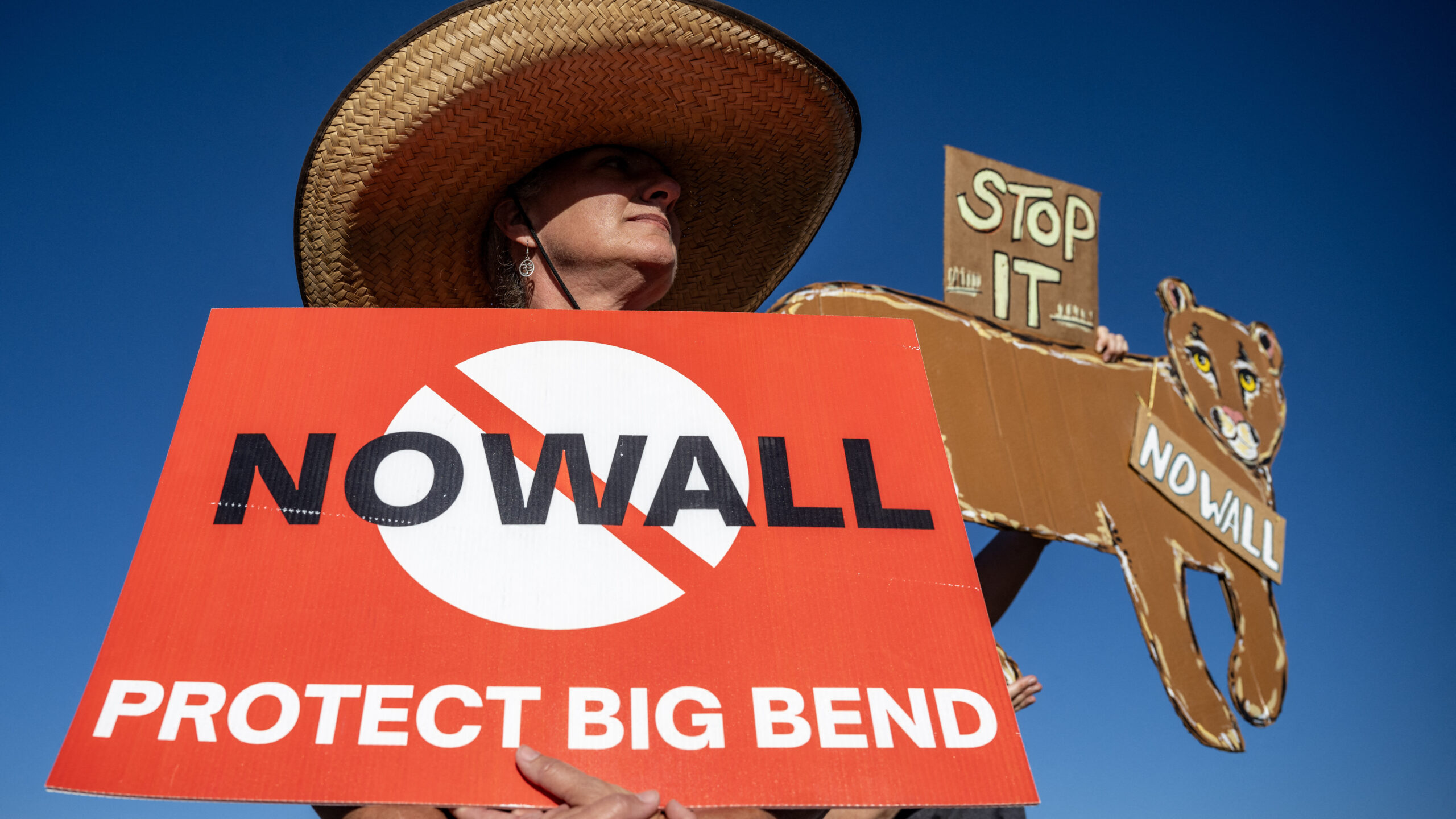
A group of plaintiffs opposed to the construction – an environmental group, a local landowner who works as a river guide, and a group formed to preserve a church – went to federal court to challenge the waivers’ legality. On Oct. 2, U.S. District Judge Kathleen Cardone temporarily barred the Department of Homeland Security from continuing construction on the border wall in the Big Bend region “until and unless” the government complies with environmental and other applicable laws.
In a written opinion that she released on Oct. 14, Cardone reasoned that the challengers were likely to prevail on their claim that the DHS secretary did not have the authority to issue the waivers. She relied on the major questions doctrine – the idea that if Congress intends to give a federal agency the power to make decisions of vast economic or political significance, it must say so very clearly. In particular, she emphasized, the Big Bend region is not an area with a high number of illegal entries. To the contrary, she stated, although it “comprises over 25% of the U.S.-Mexico border,” it makes up only a tiny percentage (“between 0.3% and 2.2%”) of the migrants apprehended while crossing the border. Therefore, she wrote, “if the Big Bend Sector is an area of high illegal entry, so is every other sector, and the waiver authority would apply to the entire U.S.-Mexico border. If that were the case, Congress could have simply authorized construction ‘to deter illegal crossings.’” The major questions doctrine instructs courts to avoid “interpretations that would render limiting language meaningless,” Cardone concluded.
After Cardone declined to pause her ruling to give the government time to seek Supreme Court review, the Trump administration came to the Supreme Court, where it asked the justices not only to temporarily freeze Cardone’s order but also to grant review and summarily (that is, without additional briefing or oral argument) reverse it. U.S. Solicitor General D. John Sauer argued that Cardone lacked the power to consider the challengers’ claim based on the major questions doctrine because their complaint specifically alleged that the DHS secretary “lacked ‘clear congressional authorization’ … to issue the waivers” under the IIRIRA – which, he said, was a statutory claim that “Congress denied district courts” the authority “to entertain.” But in any event, Sauer continued, even if the DHS secretary’s power to issue waivers under IIRIRA “implicates a question of ‘vast economic and political significance,’ Congress did clearly authorize the Secretary both to build border barriers and to waive legal requirements in order to facilitate their expeditious construction.”
The challengers urged the justices to leave Cardone’s order in place. Eric Glitzenstein, a lawyer representing the plaintiffs, told the justices in a 40-page filing that if her order were paused or lifted, it would permit the Trump administration to “immediately resume blasting, bulldozing, road construction, and other border barrier-related construction across one of the most remote and ecologically and culturally significant landscapes in the United States.”
The challengers argued that the major questions doctrine applied to their claim. They emphasized that the DHS secretary’s “decision to waive myriad federal, state, local, and tribal laws across vast geography for the purpose of building border infrastructure, even through national and state parks where border crossings are miniscule, is a truly ‘extraordinary’ assertion of power.” Because Congress “did not clearly authorize the sweeping exercise of power asserted here,” they wrote, the government’s “actions therefore amount to a constitutional violation of the major questions doctrine.”
In Monday’s opinion, the justices denied the government’s request to summarily reverse Cardone’s ruling but granted its request to put it on hold. “The Government,” the court explained, “is exceedingly likely to prevail on its argument” that Cardone did not have the power to consider the challengers’ “so-called major-questions-doctrine claim.” That claim, the court emphasized, contends only “that the Secretary exceeded his statutory authority,” which is not a constitutional claim. This is true, the court continued, even if the challengers rely on the major-questions doctrine, because that doctrine is a rule used to interpret laws. “There is no such thing as a ‘constitutional’ major-questions claim.”
The other factors that courts normally consider in deciding whether to pause a lower court’s decision also point in the government’s favor, the justices said. For example, Cardone’s order “delays the Government’s construction of border barriers and roads in the Big Bend Sector” and, as a result, “impedes the Government from advancing its ‘compelling interests’ in border security and integrity.” Moreover, the government is suffering permanent harm from the costs – “nearly half a million dollars … per day” – that it is incurring while the construction is on hold, but which cannot be recovered. Finally, the court wrote, “[t]he Government’s interest … outweighs any aesthetic, recreational, and environmental harm alleged by” the challengers.
Continue reading...
[ H/T SCOTUSblog ]