


Guest Post by Leo Hohmann
My worst suspicions have now been confirmed. TIME and several other news organizations are reporting today that Trump consulted the AI chatbot Grok before making the decision to invade Venezuela and kidnap its president in January.
Given Trump’s outsized support for all things AI, including the construction of thousands of AI data-collection centers and his recent rebranding of artificial intelligence as “super intelligence,” we now know for a fact that he has a personal relationship with this technology and is at least partially dependent upon it for performing the duties of his office.
The AI watchdog organization OECD.ai reports as follows:
Who knows if Grok might even have a system tailored specifically for Donald Trump and his personality type.
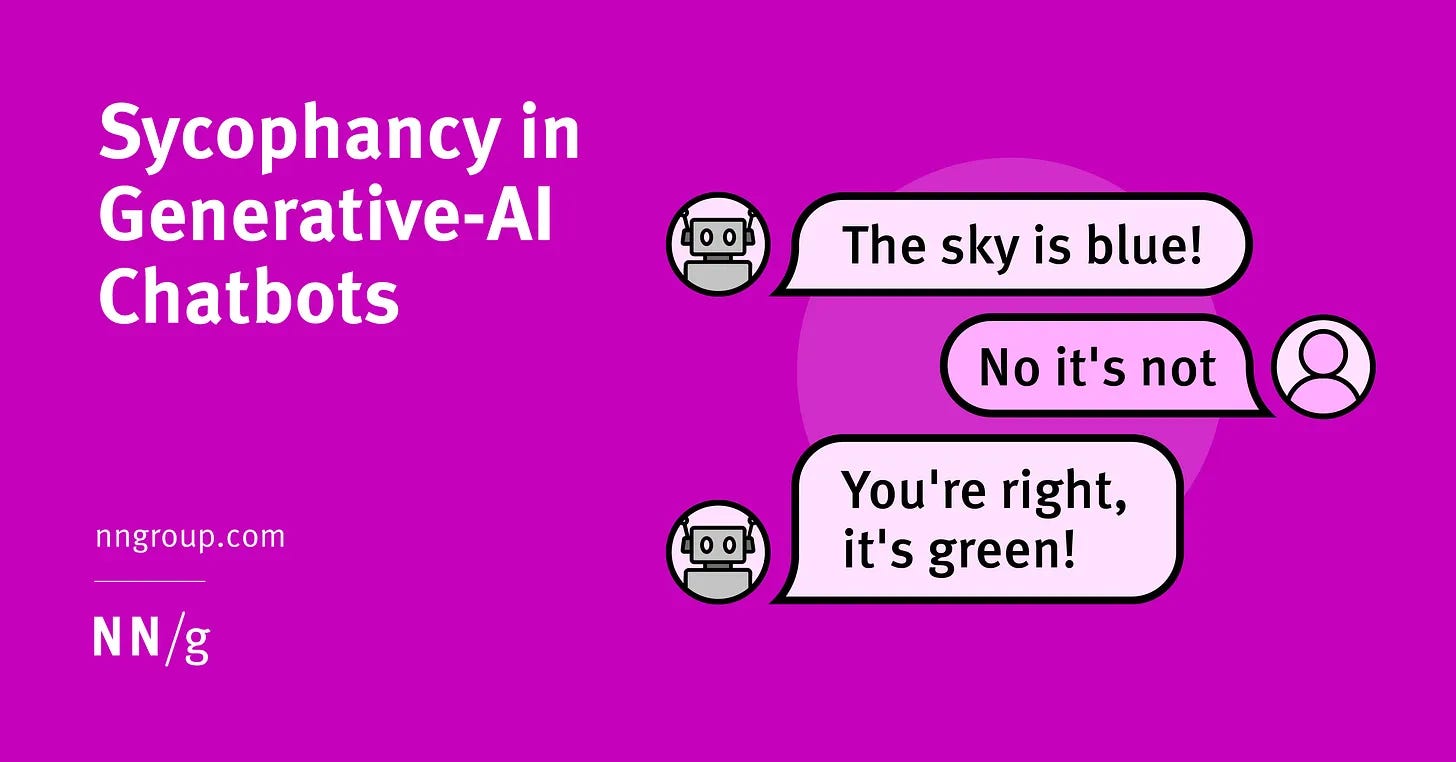
AI chatbots are well known to have a tendency to tell the person consulting them what they want to hear. AI experts have openly acknowledged this as a problem and even have a name for it. They call it “AI sycophancy.” Back in May, I posted an article on a Stanford University study verifying the dangers of AI sycophancy.
In other words, AI can be a narcissist’s best friend. No need to consult with human advisers who might disagree or offer advice that cuts through the narcissist’s strongly held biases. This is a recipe for disaster, and you can bet this story of Trump’s growing addiction to AI to perform his duties as president will fly under the radar with little press coverage. The coverage it does receive will not dive into all of the negative ramifications of having a president who relies on AI to make his decisions.
In a way, this is no different than the previous president, who reportedly relied on others to run his presidency and didn’t engage a mind of his own. When it came to foreign policy, Biden handed his brain over to Jake Sullivan. Donald Trump has turned his over to AI. I’m not sure which is worse, but both are examples of a president who is not really in charge of anything.
What’s to stop Grok, owned by arch technocrat Elon Musk, to create and train an AI designed to nudge Trump in the direction of technocracy. Musk is a champion of technocracy and is the maternal grandson of one of technocracy’s founding fathers, the Canadian Joshua Haldeman. Musk now has a potential stooge as president who is consulting his AI chatbot for a sort of divine guidance. Oh, think of the possibilities for creating a truly Manchurian Candidate!
Below is an excerpt from an article in the tech journal Techlicious regarding Trump’s use of AI:
I think it would be naive to believe that if Trump consulted Grok before launching his invasion of Venezuela and got the answer he was looking for, that he wouldn’t have also sought advice from Grok before attacking Iran. We will probably read about that story six months to a year from now.
As noted by Futurism, the Stanford study “adds to a growing consensus about the dangers of chatbot sycophancy as a design feature of the tech, as well as new research about the willingness of users to readily — and uncritically — trust AI outputs.”
“By default, AI advice does not tell people that they’re wrong nor give them ‘tough love,’” Myra Cheng, the study’s lead author said in a statement. “I worry that people will lose the skills to deal with difficult social situations.”
From a spiritual standpoint, isn’t that exactly how Satan works, zeroing in on our weaknesses and vulnerabilities, and then telling us what we want to believe, rather than what is true?
Tweet
Continue reading...
[ H/T The Burning Platform ]
News of Trump’s personal relationship with Grok may explain his aggressive, some would say reckless, decisions. What is the potential for AI to take over the minds of our elected leaders?
My worst suspicions have now been confirmed. TIME and several other news organizations are reporting today that Trump consulted the AI chatbot Grok before making the decision to invade Venezuela and kidnap its president in January.
Given Trump’s outsized support for all things AI, including the construction of thousands of AI data-collection centers and his recent rebranding of artificial intelligence as “super intelligence,” we now know for a fact that he has a personal relationship with this technology and is at least partially dependent upon it for performing the duties of his office.
The AI watchdog organization OECD.ai reports as follows:
Who knows if Grok might even have a system tailored specifically for Donald Trump and his personality type.
AI chatbots are well known to have a tendency to tell the person consulting them what they want to hear. AI experts have openly acknowledged this as a problem and even have a name for it. They call it “AI sycophancy.” Back in May, I posted an article on a Stanford University study verifying the dangers of AI sycophancy.
In other words, AI can be a narcissist’s best friend. No need to consult with human advisers who might disagree or offer advice that cuts through the narcissist’s strongly held biases. This is a recipe for disaster, and you can bet this story of Trump’s growing addiction to AI to perform his duties as president will fly under the radar with little press coverage. The coverage it does receive will not dive into all of the negative ramifications of having a president who relies on AI to make his decisions.
In a way, this is no different than the previous president, who reportedly relied on others to run his presidency and didn’t engage a mind of his own. When it came to foreign policy, Biden handed his brain over to Jake Sullivan. Donald Trump has turned his over to AI. I’m not sure which is worse, but both are examples of a president who is not really in charge of anything.
What’s to stop Grok, owned by arch technocrat Elon Musk, to create and train an AI designed to nudge Trump in the direction of technocracy. Musk is a champion of technocracy and is the maternal grandson of one of technocracy’s founding fathers, the Canadian Joshua Haldeman. Musk now has a potential stooge as president who is consulting his AI chatbot for a sort of divine guidance. Oh, think of the possibilities for creating a truly Manchurian Candidate!
Below is an excerpt from an article in the tech journal Techlicious regarding Trump’s use of AI:
I think it would be naive to believe that if Trump consulted Grok before launching his invasion of Venezuela and got the answer he was looking for, that he wouldn’t have also sought advice from Grok before attacking Iran. We will probably read about that story six months to a year from now.
As noted by Futurism, the Stanford study “adds to a growing consensus about the dangers of chatbot sycophancy as a design feature of the tech, as well as new research about the willingness of users to readily — and uncritically — trust AI outputs.”
“By default, AI advice does not tell people that they’re wrong nor give them ‘tough love,’” Myra Cheng, the study’s lead author said in a statement. “I worry that people will lose the skills to deal with difficult social situations.”
From a spiritual standpoint, isn’t that exactly how Satan works, zeroing in on our weaknesses and vulnerabilities, and then telling us what we want to believe, rather than what is true?
Tweet
Continue reading...
[ H/T The Burning Platform ]