





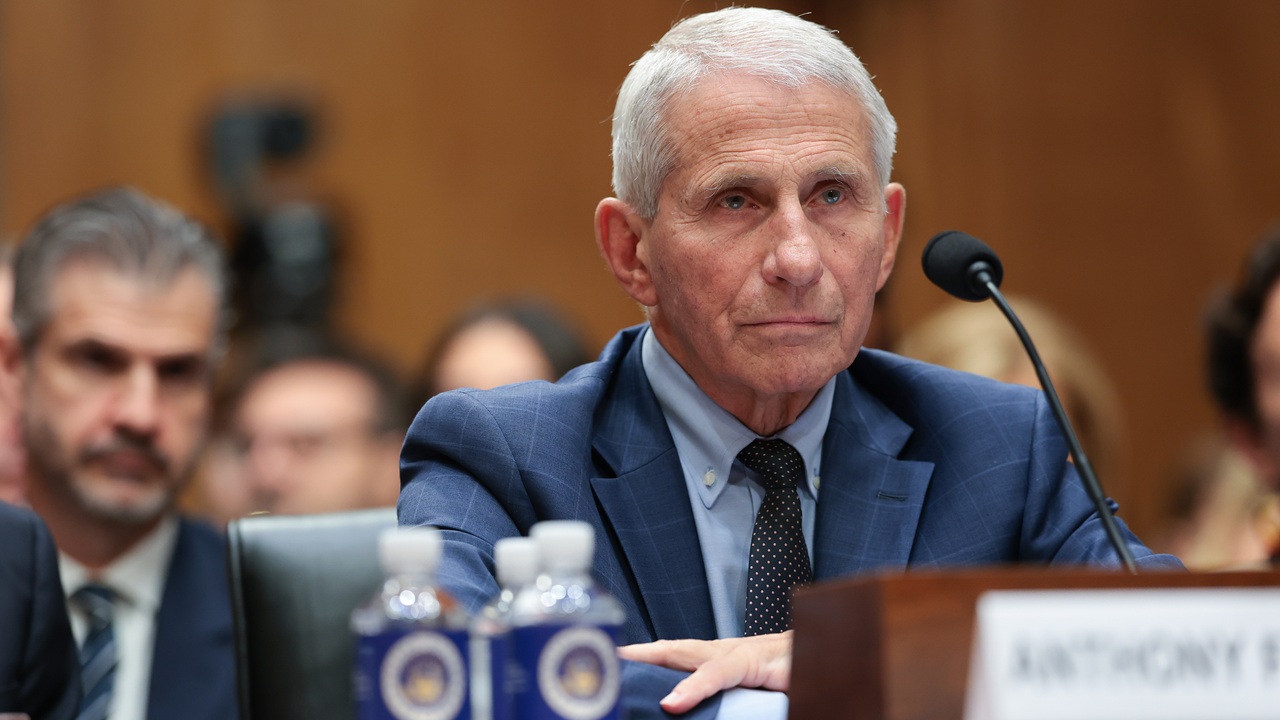

Dr. Anthony Fauci
The Fifth Amendment to the U.S. Constitution provides that people cannot be required to incriminate themselves with their own words, and that right is used by both those who are guilty and don’t choose to answer interrogatories, and those who are not guilty, and simply choose not to answer.
But Anthony Fauci, who on Wednesday ranted against members of the U.S. Congress and stonewalled questions about his agenda and campaigns while he was the chief of the National Institute of Allergy and Infectious Disease and a prominent policy-pusher during the ravage of the COVIDI-19 China virus, has a pardon.
That was issued by Joe Biden before he left office and purports to protect Fauci from events during that pandemic.
So why is Fauci refusing to answer questions – questions that could enlighten the America public on the cause and effect of that pandemic? And more importantly, could he be in trouble for that stonewall?
An analysis at Newsweek affirms that.
“Constitutional attorney Ross Garber noted that the Fifth Amendment applies only when a witness faces a ‘reasonable fear of prosecution.’ Because Biden granted Fauci a full federal pardon for conduct through early 2025, Garber said the Senate could argue that Fauci has no valid basis to invoke the privilege for matters covered by that pardon. According to Garber, the committee has two potential avenues: pursue civil litigation to compel Fauci’s testimony or issue a criminal contempt referral to the Justice Department, which could seek an indictment.”

In fact, the chief of the panel that summoned Fauci to answer questions, Sen. Rand Paul, R-Ky., already has confirmed the Senate will consider contempt actions.
Newsweek continued, “Political legal reporter Kyle Cheney said Fauci’s [stonewall] strategy carries significant risk. While the pardon shields him from prosecution for past conduct, it does not protect him from future crimes — including perjury or contempt. Cheney said relying on the Fifth Amendment to avoid all questioning could itself become grounds for a contempt case.”
And the analysis noted, “Investigative correspondent Catherine Herridge reported that former senior Justice Department officials believe there are multiple ways to challenge the validity of Biden’s preemptive pardon. One approach would involve charging Fauci with a new offense and forcing a court to test the pardon’s scope. Another centers on Congress: because Fauci has theoretically been pardoned for past and future criminal exposure tied to his NIH work, Herridge said lawmakers could argue he has no plausible Fifth Amendment claim at all — and move to compel testimony. A contempt finding could follow.”
BREAKING: Rand Paul announces the committee will be voting to hold Dr. Fauci in CONTEMPT OF CONGRESS after Fauci invokes the fifth amendment over 80 times
This carries up to a YEAR of prison time.
Paul argues that Fauci does NOT have a fifth amendment right against… pic.twitter.com/WWtPoBkdR1
— Nick Sortor (@nicksortor) July 29, 2026
Further, there’s leverage that Congress could use:
Herridge pointed out that David Morens, a longtime Fauci adviser, has been indicted on conspiracy and obstruction charges that allege he participated in the destruction and alteration of federal records.
Prosecutors charge he used personal email accounts to avoid federal transparency laws and while he has pleaded not guilty, the jeopardy he faces could make him a potential cooperating witness if prosecutors take up a wider inquiry.
During Wednesday’s hearing, Sen. Rick Scott raised the Morens case as Fauci continued to invoke the Fifth, the report noted.
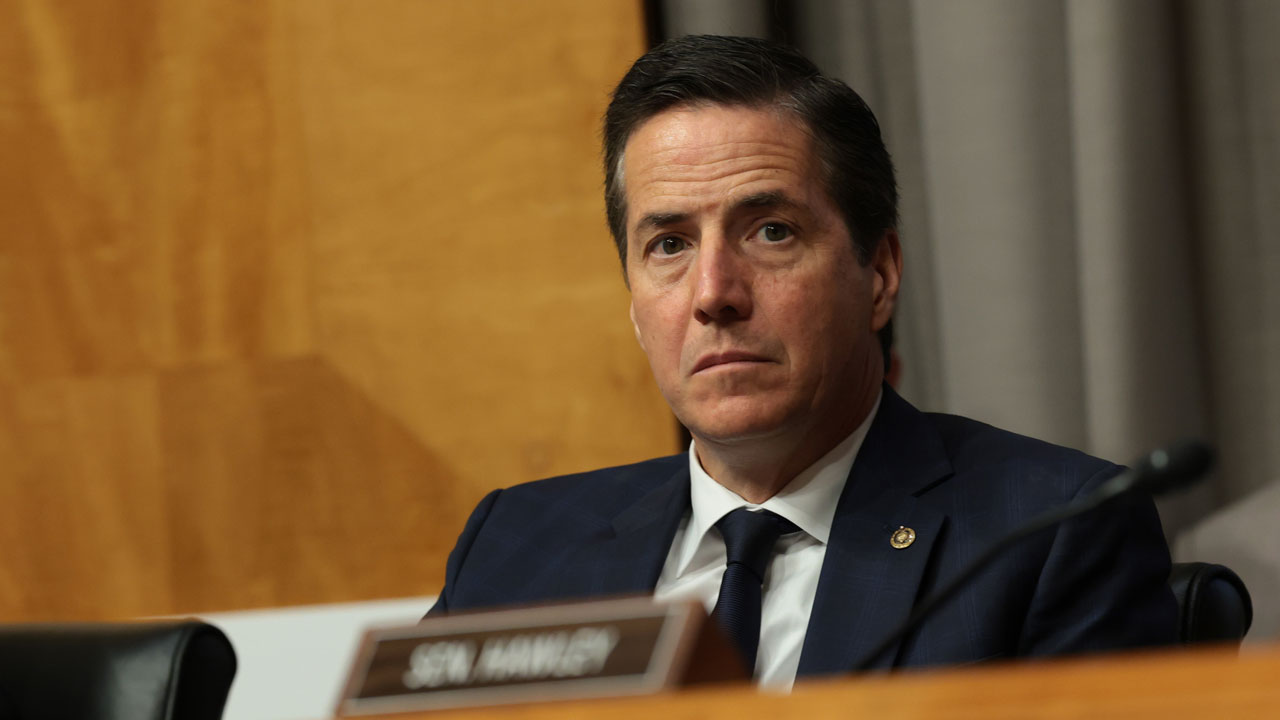
Delivering the questions to Fauci were members of the Senate Homeland Security and Governmental Affairs Committee.
John Yoo, a law professor at Cal-Berkeley, explained the pardon from Biden only covers events up to the moment it was signed.
“You can only be pardoned for lying to Congress from before the pardon,” Yoo said in the Newsweek report. “If he commits a lie before Congress now, he’ll be committing a federal crime and could be prosecuted.”
Biden, when he issued the pardon, claimed it shouldn’t be considered “an acknowledgment that any individual engaged in any wrongdoing” or that acceptance of them should be “misconstrued as an admission of guilt for any offense.”
Paul repeatedly has criticized Fauci’s actions and has called for him to be indicted because he believes Fauci lied to Congress.
That conflict focuses on the dispute over whether the funding from the NIH to the China lab working on making viruses more dangerous contributed to the origins of COVID-19.
Continue reading...
[ H/T WorldNetDaily ]


