
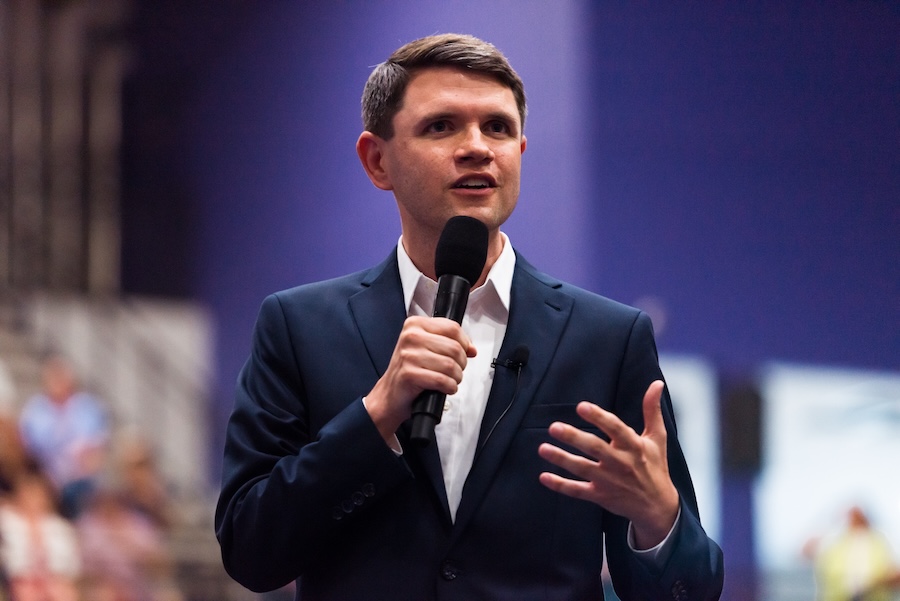




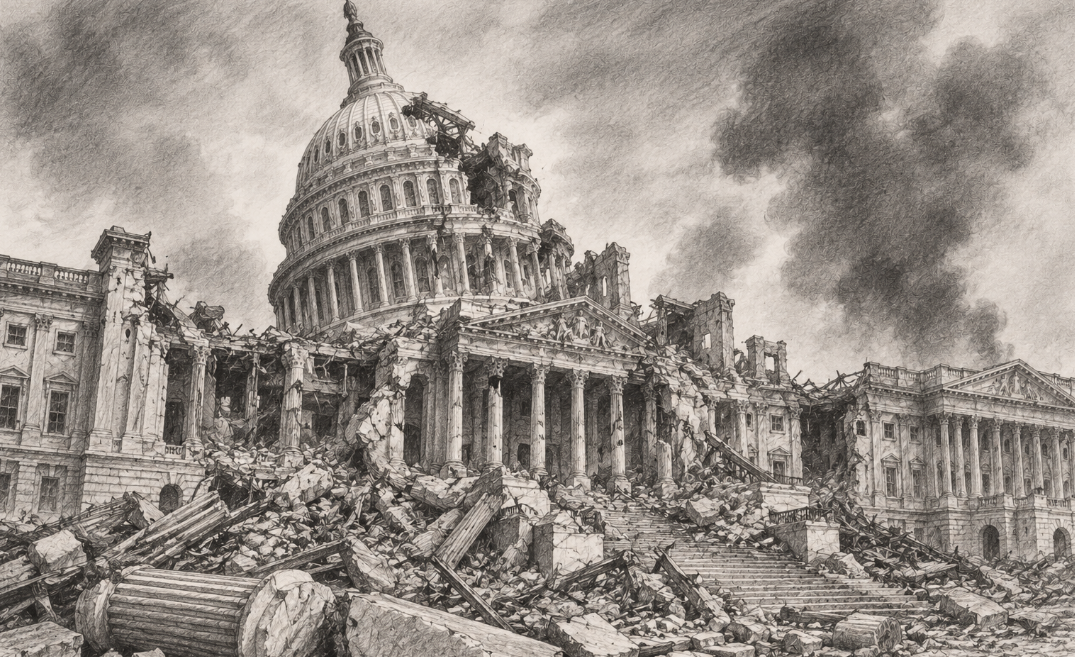

Secretary of State Marco Rubio just delivered the bluntest verdict Washington has issued on communist Cuba in years: “Cuba has fallen.”
Rubio was not claiming that the regime’s leaders had fled Havana overnight. He was declaring that the revolution they sold to the world has failed, its economic model is exhausted, and its old strategy of waiting for a softer American president has run straight into President Trump.
In his interview with Sean Hannity, the State Department account of Rubio’s remarks put the regime’s weakness in a wider regional frame. He said Havana spent decades surviving through patrons such as the Soviet Union and Venezuela while exporting revolution and repression abroad.
That lifeline is now badly frayed. Venezuela can no longer carry Cuba as it once did, and Rubio argued that the island’s rulers have been left with a broken system that cannot reliably provide electricity, food, medicine, or opportunity for its own people.
Rubio’s warning was also aimed at the men at the top. He said they will no longer be allowed to enrich themselves through arrangements that exploit ordinary Cubans while President Trump is in office, a direct rejection of the old Washington habit of rewarding the dictatorship for promises it never keeps.
The message was unmistakable: this administration sees the Cuban system as a security problem and a moral catastrophe, rather than a permanent feature of the Caribbean that Americans are expected to tolerate forever.
For millions of Cuban families, that judgment is visible in daily life. A government that claims total control has delivered rolling blackouts, empty shelves, collapsing infrastructure, mass migration, and fear of political dissent.
Sec Marco Rubio: Cuba has fallen pic.twitter.com/DTVfdhkKDO
— Sean Hannity(@seanhannity) September 29, 2026
EFE captured Rubio’s central national-security argument: the United States will not permit a failed state just off Florida to become a platform for threats against the American people. Geography makes Cuba’s collapse more than a distant humanitarian tragedy.
The island sits roughly 90 miles from the United States, and hostile governments have long viewed it as a strategic foothold. A desperate regime can invite foreign intelligence services, military partnerships, criminal networks, and political influence operations while using the suffering of its own population as leverage.
Rubio said the current governance model also drives away the investment Cuba desperately needs. Investors cannot build a functioning economy where property rights depend on party loyalty, the state controls labor, and politically connected officials can rewrite the rules whenever they please.
That is why the administration’s policy matters. The objective is pressure on the regime and opportunity for the Cuban people—not another bailout for an elite that has consumed the island’s wealth while blaming every failure on the United States.
President Trump has handed the Cuba portfolio to someone who understands both the dictatorship’s machinery and the scars it left across generations of families. Rubio’s language carries unusual weight because this is political history he has lived, not a briefing book he opened last week.
The Associated Press described a campaign of tightening American pressure that has sharply reduced the fuel reaching Cuba and intensified the strain on its power system. President Trump has publicly called Cuba a failed state and said fundamental change is needed.
Those measures are severe because the regime has survived severe conditions before. It has repeatedly transferred the cost of its decisions to ordinary people, protected the ruling class, and then demanded international rescue without surrendering political control.
The danger is real, and so is the opening. If the government can no longer buy time with another foreign sponsor, Cuba’s people may finally have a chance to demand economic freedom, political rights, and a future that does not require leaving their homeland.
Rubio’s declaration should be understood in that precise sense: the communist promise has fallen, the regime’s excuses have fallen, and Washington is done pretending the old arrangement is stable. The rulers in Havana remain in power, but the system beneath them is cracking—and President Trump’s team intends to make sure they cannot steal their way back to safety.
The post Rubio Declares ‘Cuba Has Fallen’ — And Warns The Communist Regime Its Time Is Running Out appeared first on 100PercentFedUp.com.
Continue reading...
[H/T 100PercentFedUp]


