


The Air Force officer who was badly wounded after being shot down by Iran in April just spoke out for the first time.
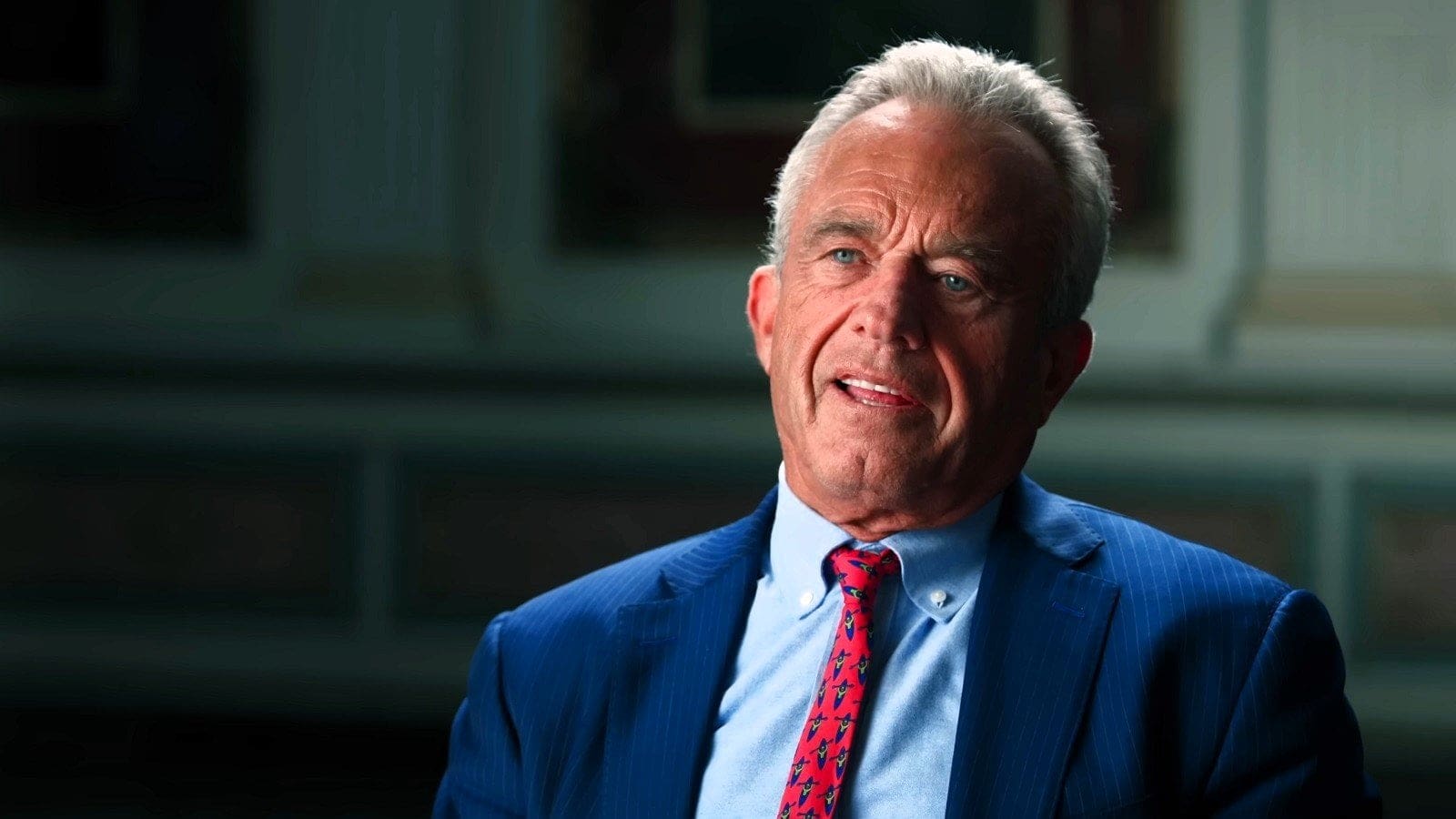
This American hero, who is only being referred to by his call sign ‘Dude 44 Bravo’ in order to protect his privacy, made an appearance on CBS News‘ ’60 Minutes’ program.
During his interview with Norah O’Donnell, he described his harrowing experience, subsequent rescue by U.S. forces, and how his faith in God got him through all of it.
Watch what he had to say about the moment he ejected over Iran here:
For those who prefer to read, CBS News provided a partial transcript from the interview:
Dude 44 Bravo was rescued on Easter Sunday — around 50 hours after his F-15E aircraft was shot down by an Iranian missile in a mountainous region near Isfahan.
The brave soldiers in our military risked a lot to bring this hero home and, ultimately, they were successful!
Our troops leave no man behind.
Bravo also recalled how the first message he sent back after being rescued was “God is good.”
Watch that clip here:
IT’S OFFICIAL: US Air Force weapons systems officer confirms the VERY FIRST message he sent back to America was “God is good” after getting stranded in Iran
Beautiful
This man abruptly landed behind Iranian territory at terrifying speed and he IMMEDIATELY sprung into…
— Eric Daugherty (@EricLDaugh) September 14, 2026
IT’S OFFICIAL: US Air Force weapons systems officer confirms the VERY FIRST message he sent back to America was “God is good” after getting stranded in Iran
Beautiful
This man abruptly landed behind Iranian territory at terrifying speed and he IMMEDIATELY sprung into action to avoid the Iranians
The patriot was there for 2 whole days while evading the enemy and awaiting backup
That’s a massive American win. Our adversaries see this and whether they admit it or not, they’re in AWE
If you want to watch the full nearly-30-minute long interview, I have it for you right here:
God bless this patriot, and all of our troops!
Continue reading...
[ H/T WLT Report ]