


Qatar Masses Tanker Fleet With 2% Of Global LNG Shipping Capacity
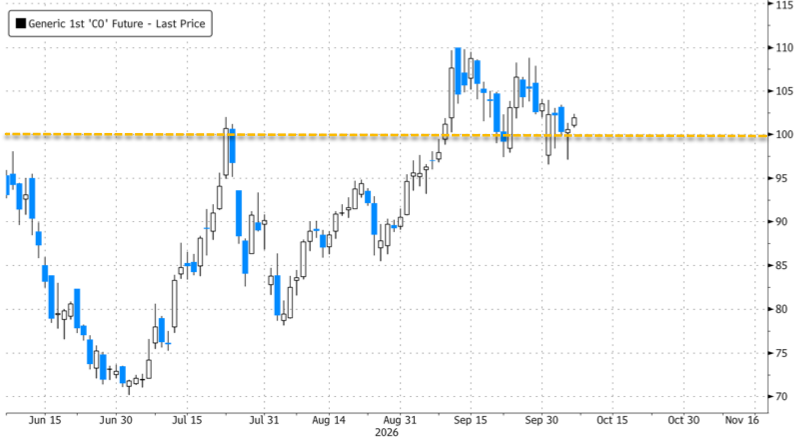
Ongoing tensions in the Gulf region pushed Brent crude futures back above $101 a barrel. Reports of Houthi attacks in Saudi Arabia, missile interceptions near Riyadh, and concerns about tanker attacks in the Strait of Hormuz have produced a lot of uncertainty about supplies ahead of the Northern Hemisphere winter.
In recent weeks, crude flows through the Strait of Hormuz have increased, but only because of the US military presence in the critical waterway. Meanwhile, Trump administration officials have boasted that Iran's exports have plunged to zero.
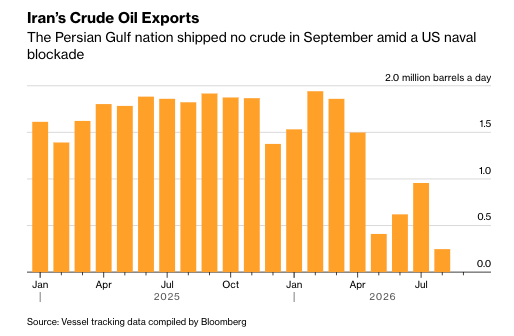
Iran reiterated earlier this week that the Hormuz chokepoint won't reopen until US negotiators meet its conditions for a peace deal. The problem with that is that Goldman's most recent report on Hormuz crude flows shows they are back to prewar levels as Tehran's leverage erodes.
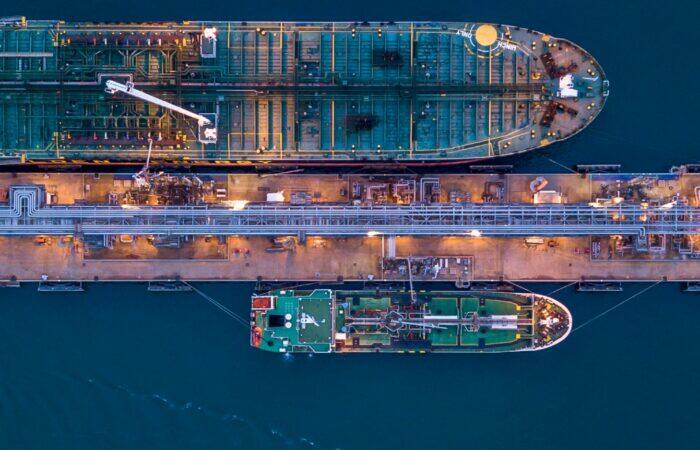
A new indication that Hormuz energy flows could ramp up comes from a Wednesday morning Bloomberg News report that Qatar has parked 12 empty liquefied natural gas carriers near its coast, signaling preparations to load them and soon transit the critical waterway.
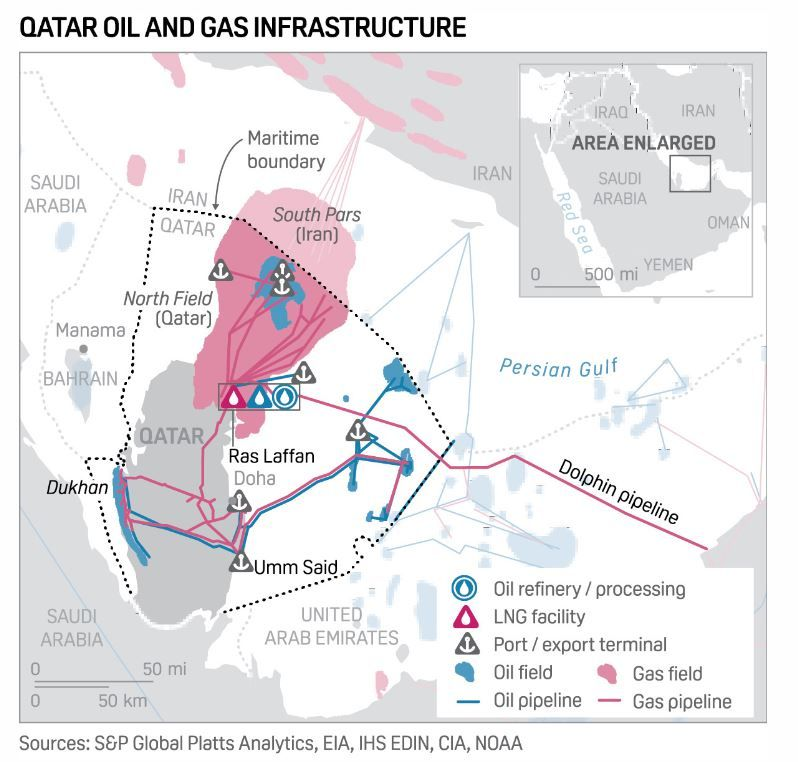
Here's more color from the outlet:
The signals from Qatar are a welcome sign of potential normalization of the maritime chokepoint, but all eyes should be on the Trump administration after the midterm elections because his latest comments indicate:
"We have a decision that I'll make about Iran. Iran's been decimated. So the only question is, it'll either be the easy way or the hard way."
The key question for Tehran, with oil revenues at or near zero, remains whether the regime holds out on signing a deal until after the US elections, as its move is clearly intended to boost US fuel prices to negatively impact midterm election results early next month, seen by some as asymmetric economic warfare. The clock is ticking for Tehran.
Tyler Durden Thu, 10/08/2026 - 06:55
Continue reading...
[ H/T ZeroHedge ]
Ongoing tensions in the Gulf region pushed Brent crude futures back above $101 a barrel. Reports of Houthi attacks in Saudi Arabia, missile interceptions near Riyadh, and concerns about tanker attacks in the Strait of Hormuz have produced a lot of uncertainty about supplies ahead of the Northern Hemisphere winter.
In recent weeks, crude flows through the Strait of Hormuz have increased, but only because of the US military presence in the critical waterway. Meanwhile, Trump administration officials have boasted that Iran's exports have plunged to zero.
Iran reiterated earlier this week that the Hormuz chokepoint won't reopen until US negotiators meet its conditions for a peace deal. The problem with that is that Goldman's most recent report on Hormuz crude flows shows they are back to prewar levels as Tehran's leverage erodes.
A new indication that Hormuz energy flows could ramp up comes from a Wednesday morning Bloomberg News report that Qatar has parked 12 empty liquefied natural gas carriers near its coast, signaling preparations to load them and soon transit the critical waterway.
Here's more color from the outlet:
The signals from Qatar are a welcome sign of potential normalization of the maritime chokepoint, but all eyes should be on the Trump administration after the midterm elections because his latest comments indicate:
"We have a decision that I'll make about Iran. Iran's been decimated. So the only question is, it'll either be the easy way or the hard way."
The key question for Tehran, with oil revenues at or near zero, remains whether the regime holds out on signing a deal until after the US elections, as its move is clearly intended to boost US fuel prices to negatively impact midterm election results early next month, seen by some as asymmetric economic warfare. The clock is ticking for Tehran.
Tyler Durden Thu, 10/08/2026 - 06:55
Continue reading...
[ H/T ZeroHedge ]