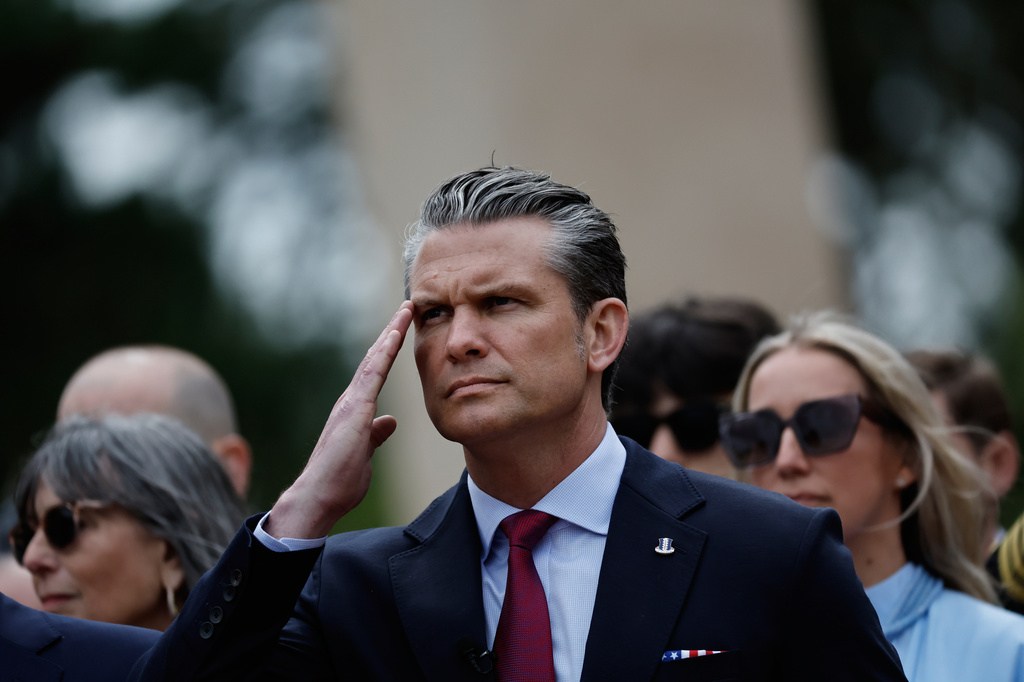
The explosive fallout dominating today’s news cycle over War Secretary Pete Hegseth’s firing of Army Lt. Gen. Brett Sylvia — the Pentagon’s top military planner accused of leaking classified information related to the Iran war — proves that internal subversion remains an active threat to national security. According to reports breaking on Fox News, Sylvia was ousted after failing three polygraph examinations concerning unauthorized disclosures to reporters.
The timing of this rapidly unfolding development could not be more dangerous. With the critical midterm elections days away and President Donald Trump openly weighing whether to resume major military operations or broker a peace deal, the alleged leaking of classified strategic options directly undercuts the commander in chief at the exact moment he needs total operational cohesion.
This institutional resistance is a chronic affliction of the modern executive branch, long utilized by disgruntled bureaucrats to sabotage the agendas of duly elected presidents. While the 1971 Pentagon Papers leak under Richard Nixon remains the watershed moment of bureaucratic defiance, the phenomenon spans decades and parties. The Obama administration famously weaponized the Espionage Act to prosecute a record number of internal leakers, while the George W. Bush era was defined by devastating disclosures surrounding post-9/11 intelligence programs.
During Trump’s first term, this friction evolved into a systematized siege, with an unprecedented flood of leaks designed to paralyze domestic policy and derail sensitive foreign initiatives.
Now, as the conflict with Iran hits a fever pitch — evidenced by breaking updates on CBS News reporting that multiple oil tankers have erupted in flames near the strategic Strait of Hormuz — the plague has escalated from a political nuisance to an acute crisis. When active wartime deliberations are compromised from within, the administration loses its most vital tool in international relations: the power of selective signaling.
A superpower must be able to choose exactly when, how, and what it communicates to adversaries and allies alike. Whether Washington chooses to signal military deterrence, extend a diplomatic olive branch via backchannels, or maintain absolute operational silence, that choice must belong exclusively to the commander in chief and his authorized cabinet. When rogue actors inside the defense apparatus preemptively spill details to the press — such as diplomatic correspondence or post-election strike timelines — they strip the executive branch of its strategic flexibility, misinform foreign counterparts, and actively endanger American assets.
THE PENTAGON’S 60-DAY GAME OF CHICKEN OVER AIRCRAFT CARRIERS
To safeguard national security, the administration must treat these leaks not as political gossip, but as structural subversion. Hegseth’s decisive action at the Pentagon to refer the matter to the Department of Justice is a necessary first step, but it must be backed by a systemic cultural shift. As noted in the official statement released by Pentagon spokesman Sean Parnell on X, leaking classified information for personal or professional gain is a fundamental betrayal of trust.
Moving forward, the Pentagon and the Department of Justice must employ ruthless counterintelligence measures, expand polygraph mandates for all high-level planning staff, and aggressively prosecute offenders under the Espionage Act. Restoring the absolute integrity of classified information is not about avoiding bad press; it is about preserving the fundamental sovereign authority of the United States government to execute a coherent foreign policy on its own terms.
Eric Wargotz is a practicing physician, geopolitical analyst, and multisector policy writer whose commentary has appeared in the Washington Examiner, the Baltimore Sun, and the Jerusalem Post. He is a judge and the 178th president of MedChi, the Maryland State Medical Society, following a career that includes serving as a Senate nominee and elected county commission president. A clinical professor emeritus at George Washington University, his views are his own and do not represent his affiliates.
Continue reading...
[ H/T Washington Examiner ]