





Guest Post by Leo Hohmann
I have been warning for the last three years that Americans should prepare for widespread power blackouts.
That was before more than 5,000 new data centers were built, sucking up tons of energy from an already aging and overtaxed power grid.
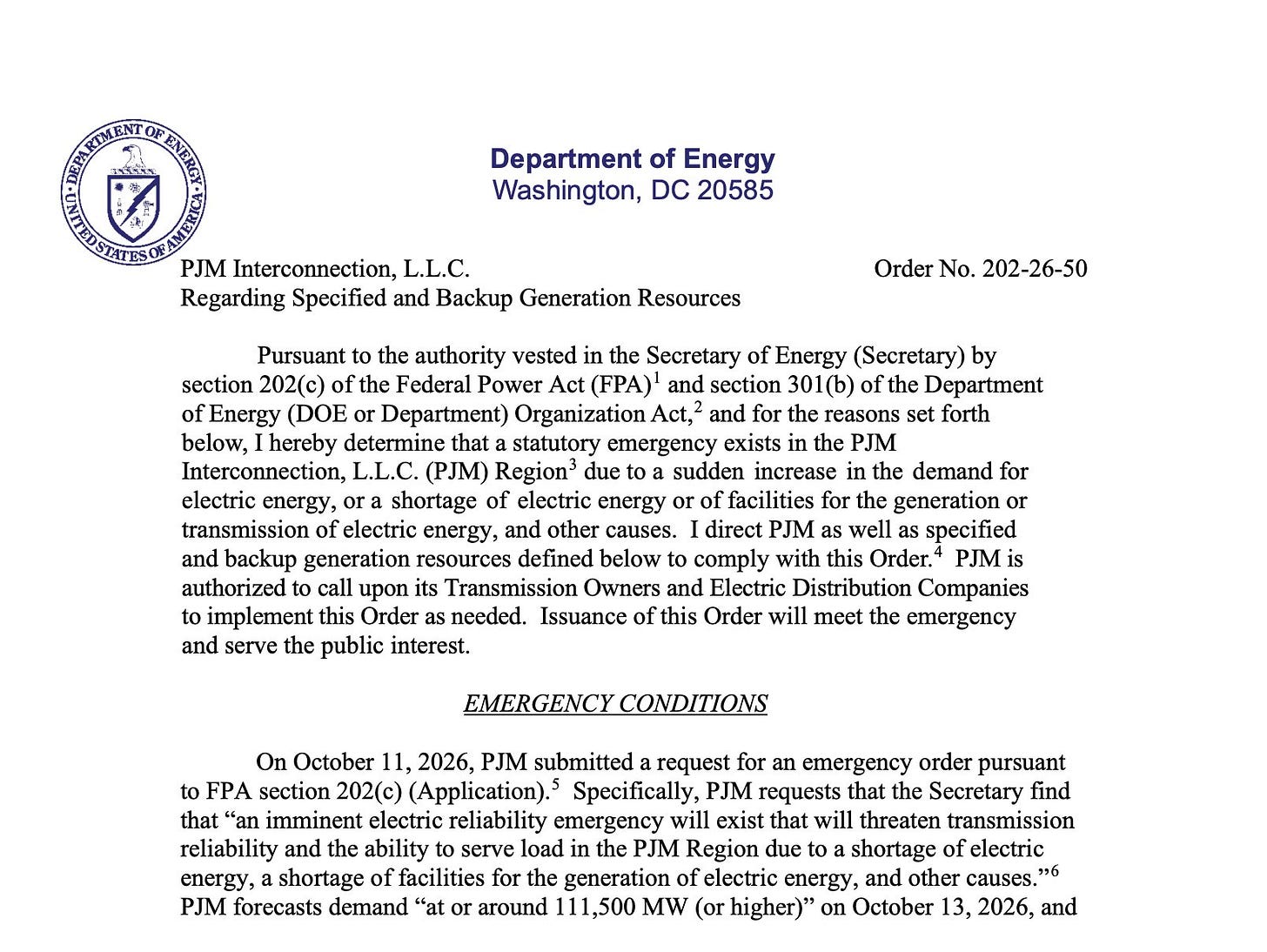
On Monday the federal government issued an order with a stunning admission. It doesn’t have enough electric power to supply everyone’s needs without waiving certain rules and protocols related to pollution standards.
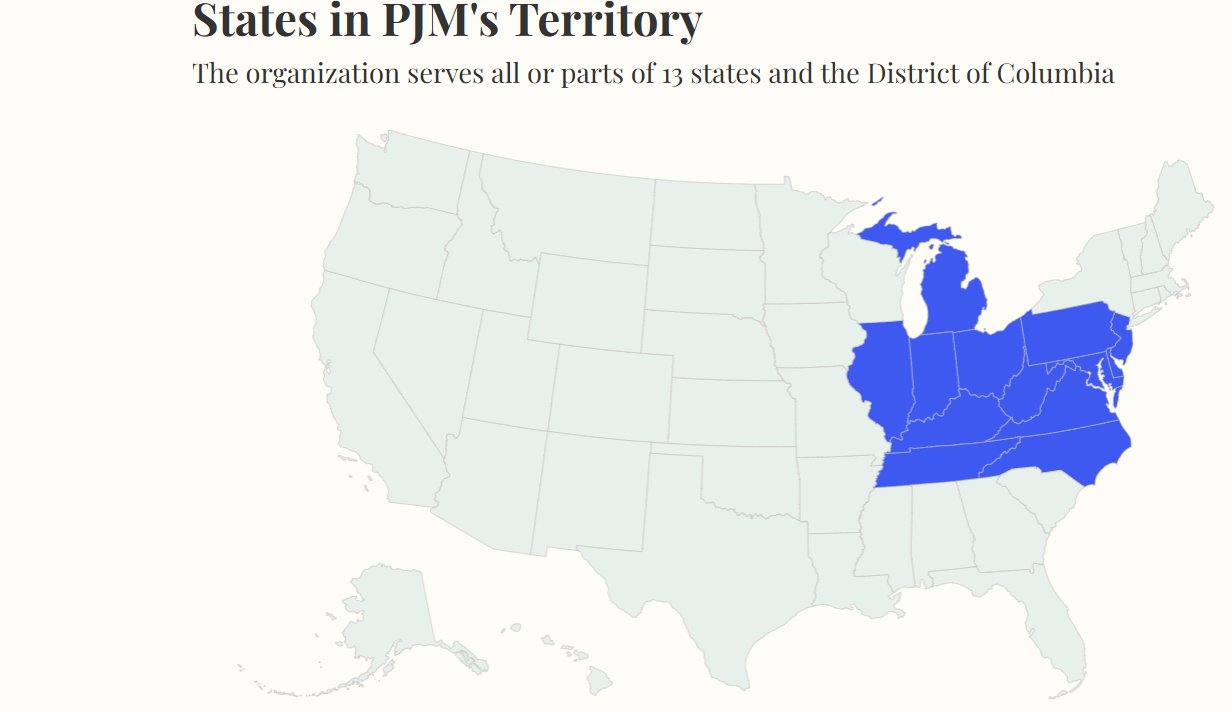
The Department of Energy has issued an emergency power order to reduce the risk of blackouts across the territory managed by PJM Interconnection, which coordinates electricity supplies in much of the Mid-Atlantic and parts of the Midwest.
PJM, which coordinates the provision of electricity for more than 67 million people across 13 states and Washington, D.C., said Monday that it had issued a maximum generation and load management alerts “ahead of expected tight system conditions caused by unusually warm fall weather.”
Besides the weather, it also cited quipment outages for maintenance and construction as hampering the supply of adequate electric power.
A PJM spokesperson said in a statement:
Energy Secretary Chris Wright issued the order on Monday “to mitigate blackout risks in the mid-Atlantic ahead of a period of elevated demand, a high rate of planned generator outages during the autumn maintenance season, and numerous planned transmission outages,” the Department of Energy said in a statement.
The emergency order applies to Delaware, Illinois, Indiana, Kentucky, Maryland, Michigan, New Jersey, North Carolina, Ohio, Pennsylvania, Tennessee, Virginia, West Virginia… and Washington D.C. It remains in effect October 13-16.
Continued 80-plus degree daytime temps are straining the grid. Thus, the emergency conditions will allow power plants to run past their pollution limits just to keep the lights on.
And as a LAST RESORT before rolling blackouts, PJM can force data centers and other big power users off the grid and onto their backup generators.
What are the chances of that happening? I believe they would ration residential power usage before they would cut off their sacred data centers.
A PJM spokesperson told Newsweek on Tuesday that it does not expect any impacts to customers and that customers are not being asked to take action.
Wright said in a statement that, “This order will help ensure millions of American families and businesses across the mid-Atlantic have access to affordable, reliable, and secure electricity by making additional power generation, including backup power, available to use as needed.”
Sounds to me like they are trying to downplay and normalize something they are calling an emergency.
Perhaps it will not affect millions of American families and businesses this time around, but what about the next time and the time after that, after people are used to being informed about these emergency situations and don’t take them seriously?
I would say now is a good time to prepare for a grid down that could last days, weeks, or, yes, even months. Because they already have 5,400 data centers built, with plans for at least another 4,000. With nearly 10,000 data centers, it’s pretty easy to decipher who will be the priority the next time we experience “unseasonably warm temperatures” in October. Or unseasonably cold temperatures in February.
This should be a wake-up call for all Americans.
Tweet
Continue reading...
[ H/T The Burning Platform ]
Unseasonably warm weather and equipment outages cited for sudden shortage of electric power capacity.
I have been warning for the last three years that Americans should prepare for widespread power blackouts.
That was before more than 5,000 new data centers were built, sucking up tons of energy from an already aging and overtaxed power grid.
On Monday the federal government issued an order with a stunning admission. It doesn’t have enough electric power to supply everyone’s needs without waiving certain rules and protocols related to pollution standards.
The Department of Energy has issued an emergency power order to reduce the risk of blackouts across the territory managed by PJM Interconnection, which coordinates electricity supplies in much of the Mid-Atlantic and parts of the Midwest.
PJM, which coordinates the provision of electricity for more than 67 million people across 13 states and Washington, D.C., said Monday that it had issued a maximum generation and load management alerts “ahead of expected tight system conditions caused by unusually warm fall weather.”
Besides the weather, it also cited quipment outages for maintenance and construction as hampering the supply of adequate electric power.
A PJM spokesperson said in a statement:
Energy Secretary Chris Wright issued the order on Monday “to mitigate blackout risks in the mid-Atlantic ahead of a period of elevated demand, a high rate of planned generator outages during the autumn maintenance season, and numerous planned transmission outages,” the Department of Energy said in a statement.
The emergency order applies to Delaware, Illinois, Indiana, Kentucky, Maryland, Michigan, New Jersey, North Carolina, Ohio, Pennsylvania, Tennessee, Virginia, West Virginia… and Washington D.C. It remains in effect October 13-16.
Continued 80-plus degree daytime temps are straining the grid. Thus, the emergency conditions will allow power plants to run past their pollution limits just to keep the lights on.
And as a LAST RESORT before rolling blackouts, PJM can force data centers and other big power users off the grid and onto their backup generators.
What are the chances of that happening? I believe they would ration residential power usage before they would cut off their sacred data centers.
A PJM spokesperson told Newsweek on Tuesday that it does not expect any impacts to customers and that customers are not being asked to take action.
Wright said in a statement that, “This order will help ensure millions of American families and businesses across the mid-Atlantic have access to affordable, reliable, and secure electricity by making additional power generation, including backup power, available to use as needed.”
Sounds to me like they are trying to downplay and normalize something they are calling an emergency.
Perhaps it will not affect millions of American families and businesses this time around, but what about the next time and the time after that, after people are used to being informed about these emergency situations and don’t take them seriously?
I would say now is a good time to prepare for a grid down that could last days, weeks, or, yes, even months. Because they already have 5,400 data centers built, with plans for at least another 4,000. With nearly 10,000 data centers, it’s pretty easy to decipher who will be the priority the next time we experience “unseasonably warm temperatures” in October. Or unseasonably cold temperatures in February.
This should be a wake-up call for all Americans.
Tweet
Continue reading...
[ H/T The Burning Platform ]