




Control of the Senate may come down to whether the Republican and rural voters who are not responding to polls turn out on Election Day.
It’s a question that could decide many other races, as some late polls show a blue tsunami building in Tuesday’s midterm elections.
The news outlets publishing these polls have expressed their own concerns about the possibility they are missing voters who make all the difference, especially in Senate races that disproportionately run through historically red states as well as battlegrounds carried by President Donald Trump just two years ago.
“This cycle, Democrats are once again responding to Times/Siena polls at a much higher rate than Republicans,” New York Times polling expert Nate Cohn wrote. “Across these final battleground polls, registered white Democrats were about 30 percent likelier to take the poll than registered white Republicans. That’s actually a bit higher than in the final polls in 2020. … The persistence of this kind of nonresponse bias introduced the risk of systematic polling error like those in 2016 or 2020.”
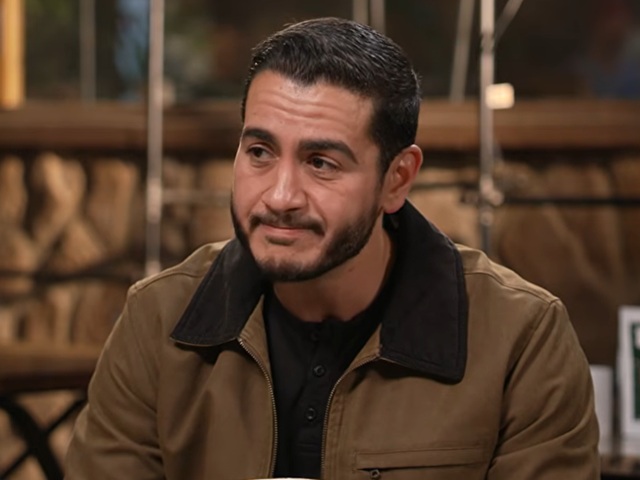
Cohn’s piece was titled “The Final Polls Show A Blue Surge. Can We Trust Them?” It was published after the last wave of New York Times-Siena polls showed big Democratic leads in the top Senate races, including an 11-point margin for progressive Michigan senatorial candidate Abdul el Sayed.
That’s bigger than any lead a reputable pollster has given el Sayed over Republican Mike Rogers in this campaign, as the Democrat now has an edge of 5.3 points in the RealClearPolitics polling average.
The Washington Post published a similar disclaimer after its poll with the Schar School found Democrat Adam Hamilton with a 10-point lead over Sen. Roger Marshall (R-KS). No prior poll had given Hamilton a lead that big, though subsequent surveys by New York Times-Siena found the Democrat ahead by half as much and Atlas Intel had him up 7 over the incumbent. Hamilton is now ahead by 4.1 points in the RealClearPolitics polling average, which comes not long after he and Marshall had been trading leads of less than 1 point.
“After more than 85,000 phone calls and nearly 50,000 text messages, a potential problem emerged,” the Washington Post reported on its own polls. “Democrats were far more enthusiastic about taking the poll than Republicans were.” The story went on to note that “Democrats were more than twice as likely as registered Republicans to complete the survey” after taking the interviewer’s call.
This type of response rate bias has caused polling errors in red states before, including in Kansas. Marshall looked like he was in a competitive race six years ago based on the polls. He ended up winning by 11 points. Then-Sen. Pat Roberts, a Republican, was down by less than a point in the final RealClearPolitics average of 2014. He too ended up winning by almost 11 points.
Over the weekend, the New York Times published a story that appeared to downplay Texas Democratic Senate nominee James Talarico’s chances of winning. It reported that the Talarico campaign’s own internal polling showed the race tight, noted that Hispanic men were not always that enthused about his candidacy when contacted by Democrats, and quoted a Democratic county chairman saying that Talarico had “at most a 50 percent chance of winning.”
Talarico has led slightly but persistently in the polling averages throughout the campaign. Democrats are reasonably pleased with their early voting numbers in Texas. Even Gov. Greg Abbott (R-TX) is up by just 2.3 points in the RealClearPolitics average as he seeks a fourth term. Talarico is up 7 points in the final New York Times-Siena poll, in which the Democrat cracks 50% of the vote.
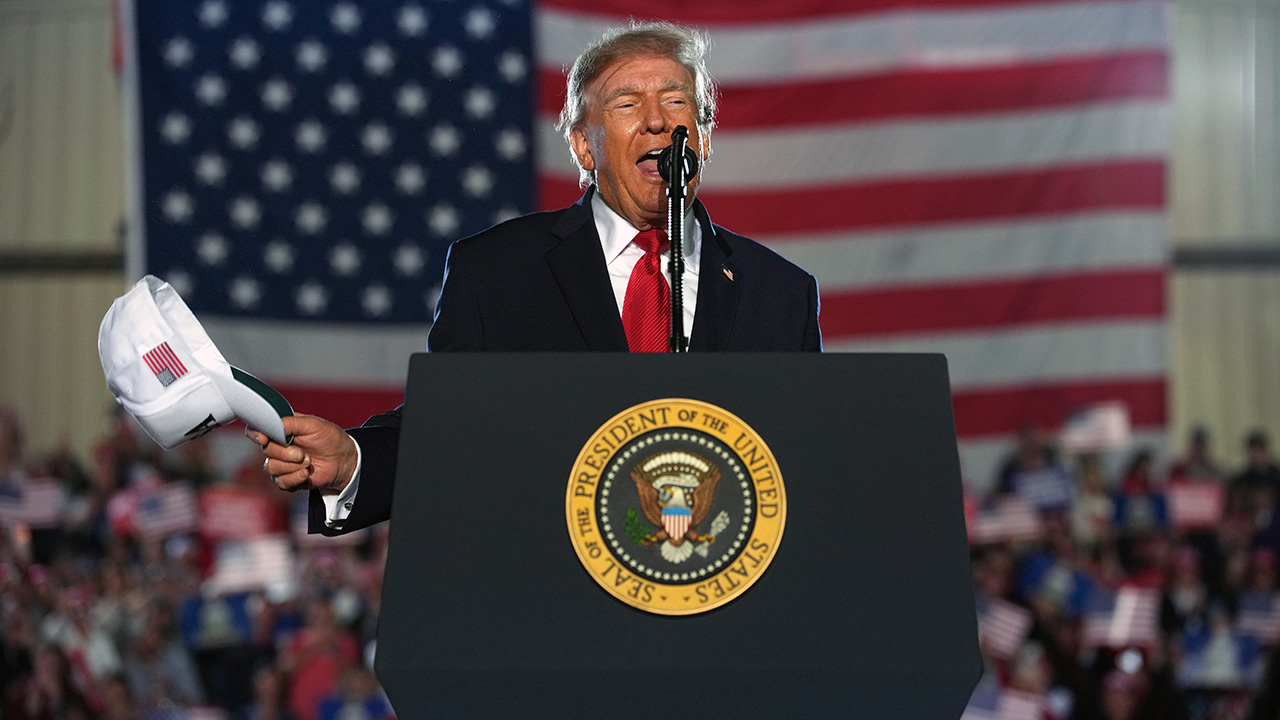
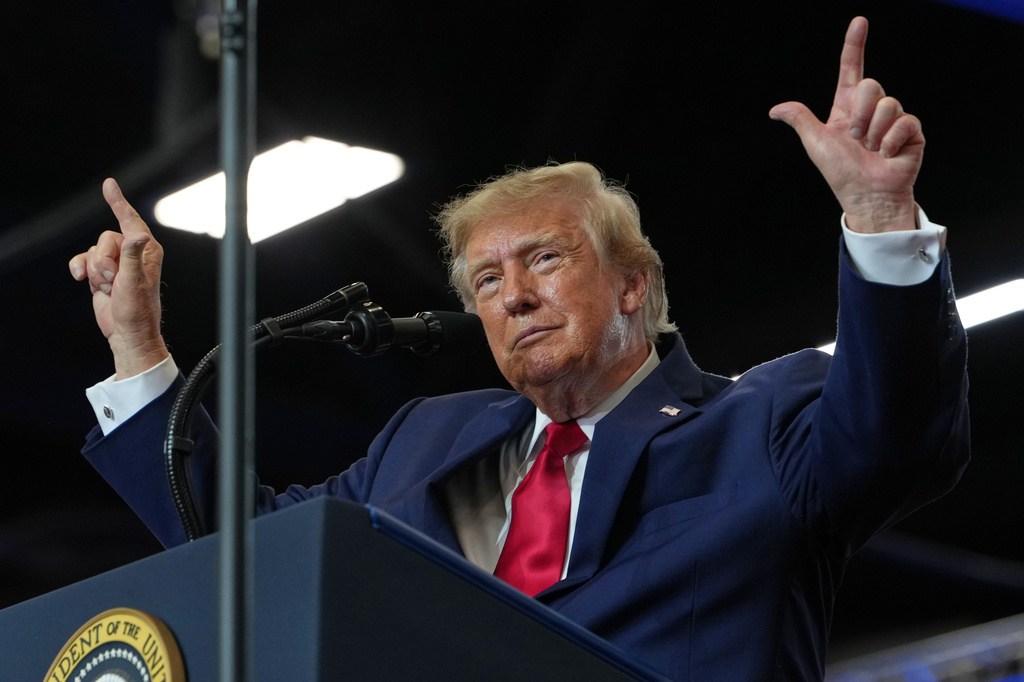
The worry for the pollsters and the media outlets employing them is that the polls, which show Democrats all but certain to take the House and ahead in most of the major Senate races, including in states Trump won by double digits in 2024, is that they will be wrong. The numbers look iffy on their face, and Trump outran his poll numbers to varying degrees in each of the last three presidential elections.
This year, we have seen big polling misses in the Democratic primaries for Senate in Michigan and governor in Wisconsin. There have even been companies that have admitted to fabricating their polls, with major implications for both aforementioned races.
At the same time, the evidence for a bad national environment for Republicans is outside the realm of any recent polling error. Trump’s job approval rating is below 40%, public satisfaction with the economy is low, the Iran war is unpopular, and Democrats are poised to have their biggest generic congressional ballot lead since 2008, which was the second of two straight blue wave elections.
If there was ever a year Republicans and rural voters might actually stay home or vote more Democratic than usual, this might be it. Fuel prices are high, tariffs are biting in some key states, and the base of the party holding the White House tends to get complacent in midterm elections even under the best of circumstances.
“We’re having problems just getting Republican voters to respond to polls,” a Republican pollster told Axios all the way back in September. “At what point do we think these guys aren’t showing up at the actual polls on Election Day?”
Less than a quarter of rural voters are happy with the state of the economy, which bodes ill for Republicans’ midterm hopes.
An Atlas Intel poll found Talarico running well ahead of where 2018 Texas Democratic Senate nominee Beto O’Rourke was and giving Democrats their best numbers with this bloc in at least the past seven elections.
That could be a polling misfire. Or it could be a warning sign for Republicans as they try to ward off bad national conditions with a relatively favorable map.
In the blue-wave midterm election of 2018, Republicans didn’t lose a single House seat in a district Trump won by at least 20 points and actually picked up Senate seats in red states.
2026 MIDTERM ELECTIONS LIVE UPDATES: LATEST NEWS, RESULTS, AND ANALYSIS
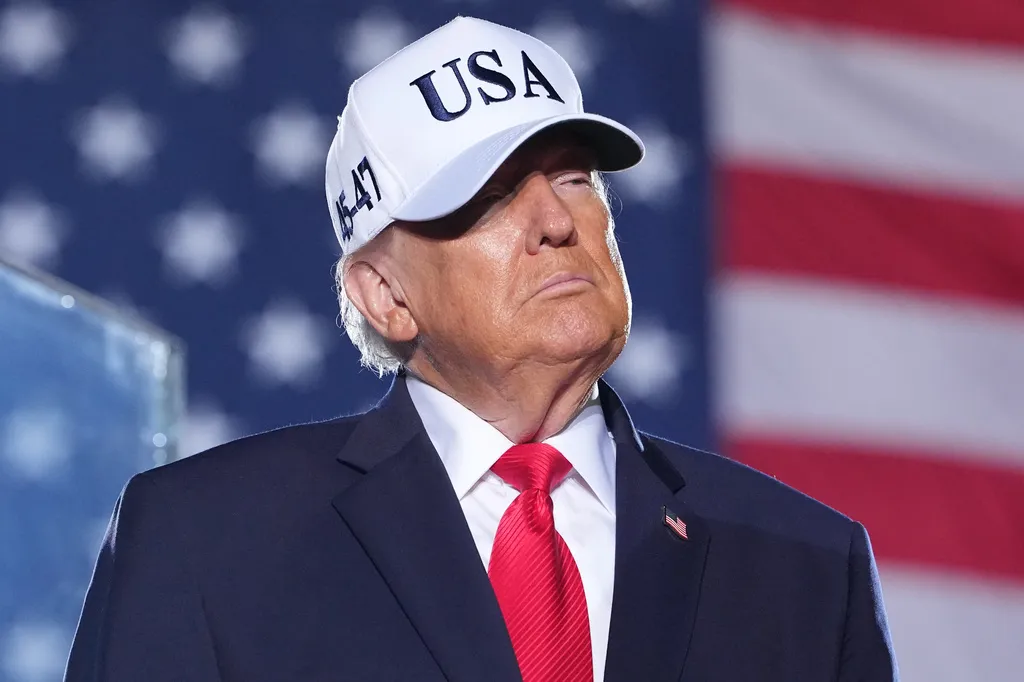
This year, Trump pushed hard to turn out GOP voters in red states and the more MAGA parts of some battleground states.
Whether these voters answer his calls more reliably than the pollsters may be a deciding factor in whether Republicans can salvage the midterm elections, deciding the size, shape, or even existence of any blue wave.
Continue reading...
[ H/T Washington Examiner ]