



U.S. forces launched a fresh round of airstrikes against Iranian military targets Monday, hitting a strategic island near the Strait of Hormuz as President Donald Trump’s administration continues confronting threats to American personnel and international shipping.
The strikes targeted Iran’s Qeshm Island, according to three U.S. officials who described the operation as a defensive response to repeated Iranian attacks on American aircraft and maritime traffic.
The military action came just one day before Tuesday’s midterm elections, with Washington and Tehran simultaneously pursuing diplomatic negotiations aimed at ending their eight-month conflict.
Two U.S. officials told NBC News that the strikes were limited in scope and did not represent a return to large-scale combat operations.
Instead, the operation targeted Iranian military capabilities that officials said posed an immediate threat to American assets operating near the Strait of Hormuz.
Iran’s Islamic Revolutionary Guard Corps has repeatedly targeted U.S. military aircraft in recent weeks, including both manned and unmanned platforms, according to an American official.
Those confrontations have forced U.S. forces to intercept drones and missiles threatening ships traveling through the region.
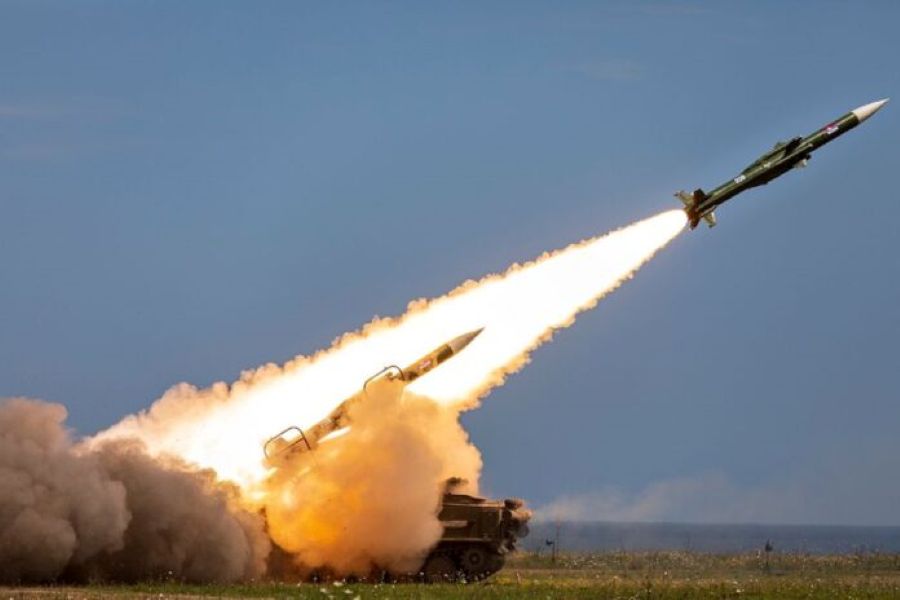
One official said American forces have occasionally struck Iranian missile launchers after Revolutionary Guard personnel fired at U.S. aircraft.
Monday’s operation reportedly followed another attempted Iranian attack on an American aircraft, prompting U.S. forces to destroy the launcher responsible.
A third U.S. official defended the operation.
“This was a defensive measure for Iranians using surface-to-air missiles against U.S. assets.”
Iranian state media reported that five explosions were heard on Qeshm Island on Monday.
POLL: Will You Support Trump And His Candidates In The Midterms?
The island sits near the Strait of Hormuz, a critical passage for global oil shipments that has become a major flashpoint throughout the conflict.
The military action comes despite Trump’s earlier statement that the United States would not launch strikes against Iran before the November elections.
Administration officials have characterized the latest operation as an act of self-defense rather than the beginning of another major military offensive.
Meanwhile, thousands of American troops remain stationed in waters near Iran as the U.S. military maintains a naval blockade intended to restrict Iranian oil exports.
A third aircraft carrier and additional American forces are also reportedly heading toward the Middle East, giving Washington additional military options if negotiations collapse.
RELATED: Ominous New War Signal Emerges As Trump Issues Major Warning To Iran
Despite the latest confrontation, Vice President JD Vance expressed optimism Monday that a diplomatic agreement remains possible.
Vance recently sent a letter to Iranian security official Mohsen Rezaei as part of ongoing communications between Washington and Tehran.
Trump previously indicated that the correspondence involved assistance with “medical supplies and various things.”
Speaking to reporters Monday, Vance said discussions with Iranian officials had produced encouraging developments.
“We’ve had a number of good conversations with the Iranians,” Vance said.
He added that he and Trump “both feel pretty good about the prospects for potentially coming to a negotiated settlement. We’re going to keep on working at it.”
The administration’s diplomatic efforts have unfolded against mounting concerns about the economic consequences of the conflict.
The war has disrupted international energy markets, driven up gasoline prices and cost American taxpayers at least $47 billion, according to NBC News.
Oil prices fell sharply Monday as investors reacted to reports that negotiations between Washington and Tehran were progressing.
RELATED: NEW: Trump Planning Sweeping New Offensive Against Iran
Trump highlighted the declining prices during a speech in Washington, where he sought to reassure Americans about the direction of the conflict.
“I don’t know if you even call it a war, because we haven’t been doing any fighting for months,” Donald Trump said.
The president also suggested that Iranian leaders were increasingly interested in reaching an agreement.
“Iran wants a settlement, as soon as possible.”
However, Tehran has continued insisting on its own conditions for ending hostilities, leaving significant questions about whether a lasting agreement can be reached.
Iranian Parliament Speaker Mohammad Bagher Ghalibaf, a leading negotiator, maintained that Washington must determine the next steps.
RELATED: Iranian Plots Targeting Americans Have Reached ‘Advanced Stages,’ State Department Memo Warns
Tehran “has delivered a firm and rational response to the American side and the ball is now in America’s court to prevent a war,” Ghalibaf said.
The diplomatic maneuvering comes as Israel and other American allies in the Middle East press Washington over how to confront Iran’s military capabilities.
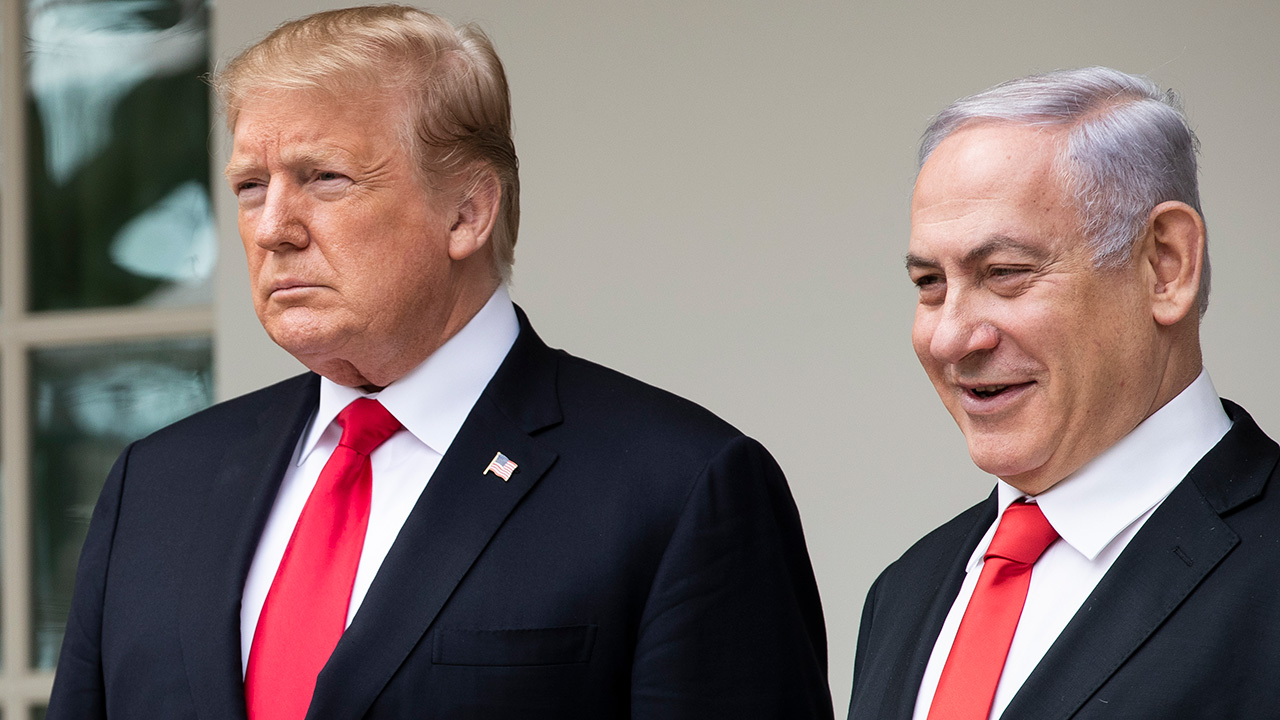
Israeli Prime Minister Benjamin Netanyahu has previously advocated additional strikes against Iranian targets, arguing for continued pressure on Tehran.
For Trump, the immediate challenge is balancing military deterrence with efforts to secure an agreement that could end the costly conflict.
Monday’s strikes demonstrate that American forces remain prepared to respond when Iranian military operations threaten U.S. personnel, even as negotiations continue.
With additional American military assets approaching the region and diplomatic discussions still underway, the situation remains volatile.
For now, U.S. officials maintain that the Qeshm Island operation was a limited defensive strike, not the opening salvo of another full-scale campaign against Iran.
POLL: Should Sanctuary Cities Be Banned From Federal Funding?
Continue reading...
[ H/T Trending Politics ]