



In most areas, inflation is not out of control. On an annual basis, inflation is rising at around 3%. Most economists believe that modest further tightening by the Federal Reserve will, over time, bring inflation back to the 2% target set by the country’s central bankers. Moreover, except for 2022 during the postpandemic inflation surge, the inflation rate for food consumed at home has been around 2% over the past 20 years. Similarly, adjusted for disposable income, U.S. households spend dramatically less on gasoline than they did 20 years ago. Cars are dramatically more fuel-efficient.
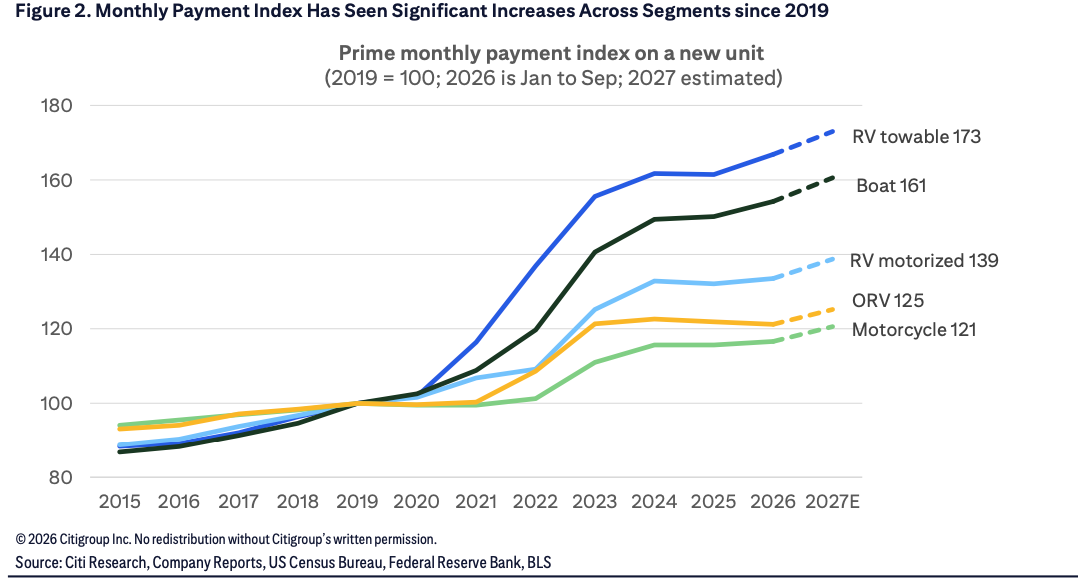
However, there are isolated segments of the economy where inflation is a serious problem: primarily in terms of housing, healthcare, childcare, and higher education. In each case, prices are rising significantly faster than wages because of deliberate political and social choices made by voters.
On housing, prices are rising much faster than wages because of restrictive zoning laws that make it difficult to build affordable housing. Ultimately, local communities vote for restrictions on new construction. In addition, voters love entitlements but hate paying taxes, so the United States runs a very large federal deficit that pushes interest rates and mortgage rates higher. The administration’s aggressive crackdown on illegal immigration has also created a severe shortage of construction labor, forcing homebuilders to pay more for workers.
Voters are also largely responsible for ever-increasing healthcare prices. Too few people exercise and eat healthy. Voters love employer-provided healthcare coverage because it is a nontaxable benefit. Thus, because healthcare is either directly or indirectly subsidized by the federal government, demand exceeds supply, driving up prices. The doctors’ lobby is also powerful, pushing legislation that restricts funding for training more healthcare professionals. Finally, consumers are not on a level playing field with healthcare providers — they lack sufficient knowledge to make informed decisions about their care and where they can save money.
The raw numbers on inflation in higher education are staggering. But the truth is that the vast majority of parents and students do not pay anywhere near the quoted sticker prices for tuition, room, and board. Most students receive substantial financial assistance. The student loan system and parental choices also facilitate great bloat in administration and unnecessary amenities outside of education.
HERE ARE THE STATES WITH VOTER ID ON THE BALLOT THIS NOVEMBER
Childcare is a more complex issue. Naturally, we demand high-quality childcare. While regulations increase costs, children are our most valuable resource and must be protected. Parents who struggle with childcare should attempt to create affordable voluntary care networks and be free to choose neighbors to care for their children. At the same time, minimum wage laws and immigration restrictions inevitably increase the overall cost burden of childcare.
In the end, however, voters can choose to make a middle-class lifestyle more affordable. We are the problem, but we can be the solution.
James Rogan is a former U.S. diplomat who later worked in law and finance for over 30 years. He writes a subscription-based daily note on markets, economics, politics, and social issues. His email is roganjames8202@gmail.com.
Continue reading...
[ H/T Washington Examiner ]