


People can endure extraordinary hardship when they believe it serves a necessary purpose. The harder question is what happens when that hardship loses its expiration date. At what point does a temporary sacrifice become an expectation, and our willingness to endure become mistaken for consent?
During COVID-19, the public was repeatedly told to “follow the science.” The danger was real, uncertainty was substantial, and officials faced difficult decisions. As a physician whose pulmonary disease made infection particularly threatening, I understood the desire for protection.
Yet, science could inform those decisions without settling every question they raised. How long should schools remain closed? Which restrictions remained proportionate as evidence changed? What burdens could reasonably be imposed on children, workers, families, and people nearing the end of life? These were also questions of judgment and public accountability.
The scientific method itself begins with a question. It asks us to challenge assumptions, test hypotheses, examine evidence, and revise conclusions. Questioning is one of the ways science advances. A claim does not become more reliable because it is shielded from scrutiny. An emergency can justify a policy. It cannot permanently exempt that policy from scrutiny.
A person could accept the seriousness of the virus while challenging a particular mandate. Examining a policy’s assumptions and measuring its effects should be understood as responsible decision-making. Officials should welcome questions about whether their response remains necessary as circumstances change.
Meanwhile, “the new normal” entered our vocabulary. Initially, it described adaptation to an emergency. But “the new normal” describes a condition. It does not justify it.
Children experienced disrupted classrooms, interrupted friendships, and altered family routines. National reading assessments show that achievement in 2024 remained below 2019 levels. Those findings do not establish a single cause: illness, isolation, school disruption, and family stress must be considered. They do show why recovery cannot simply be presumed because the emergency has passed.
A policy may have been defensible when adopted and still require revision later. Its benefits do not erase its costs. That obligation to reconsider extends beyond public health.
Consider Flock Safety’s license-plate camera networks. Identifying vehicles can help police investigate crimes. But recording vehicle locations raises questions about access, retention, sharing, and oversight. Residents deserve answers before surveillance becomes an ordinary feature of their streets.
By late August, reporting based on Secure Justice’s tracking put the number of cities and counties stepping back from Flock at more than 200. The actions included cancellations, nonrenewals, pauses, and rejected proposals. They represent substantial public reconsideration, although ending a relationship with Flock does not necessarily end surveillance.
The comparison does not establish that pandemic restrictions caused acceptance of surveillance. Still, both invite questions about whether appeals to safety discourage criticism. Who exercises power, under what limits, and for how long? Officials should establish measurable standards for success and reconsider systems whose benefits fail to justify their costs.
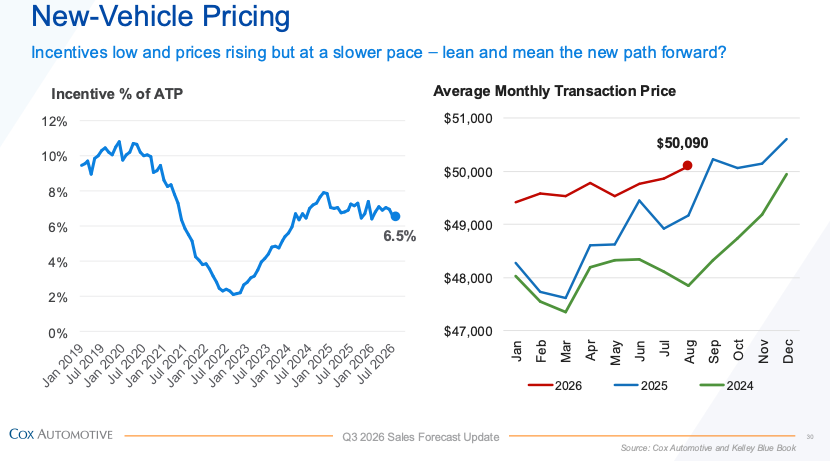
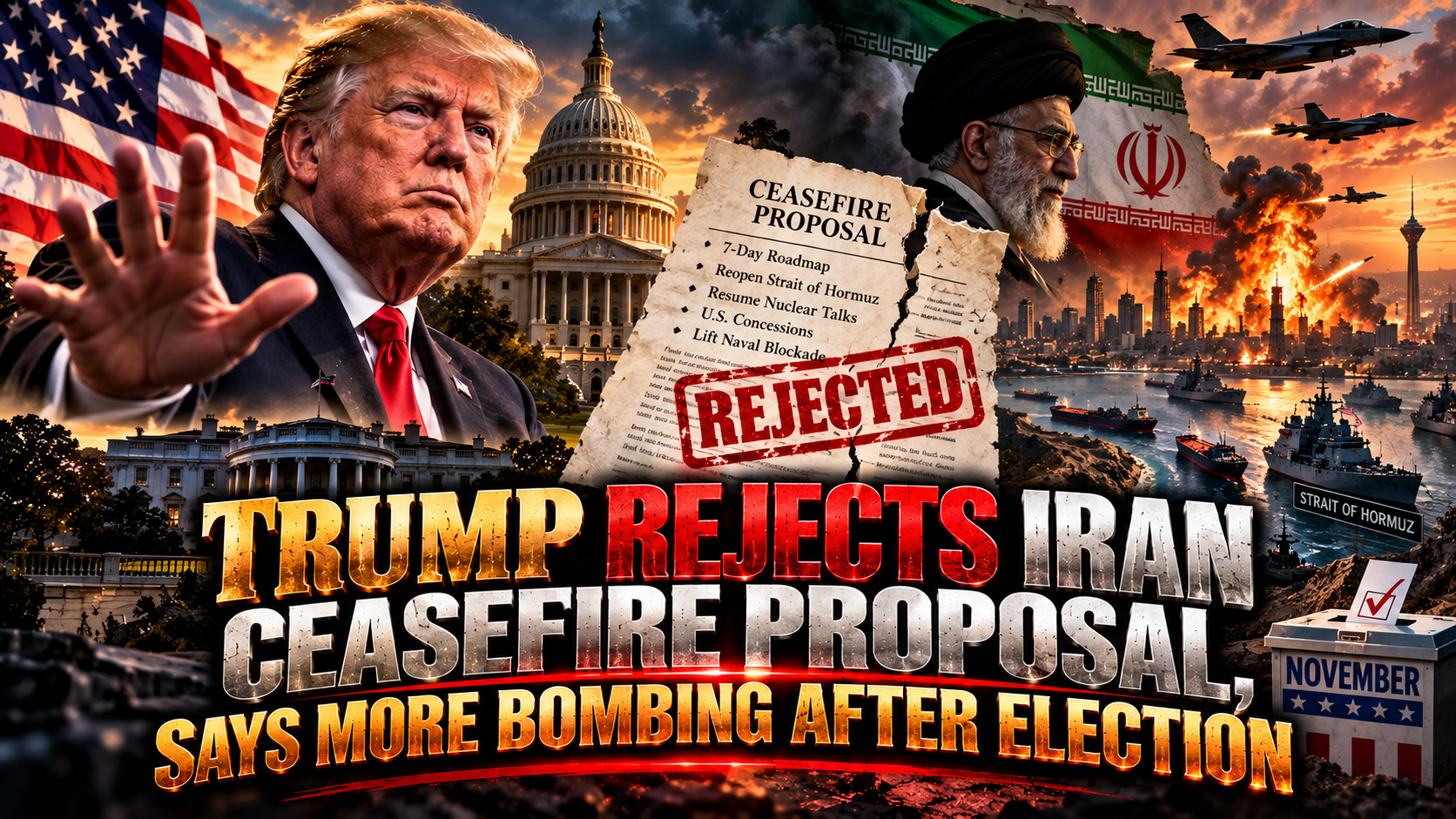
The extended conflict with Iran presents another test of what Americans come to regard as normal. An extraordinary gasoline bill can gradually become an expected expense. Household budgets adjust. Other purchases disappear. Eventually, a modest price decline feels like relief even when the remaining burden would once have seemed intolerable.
Gasoline prices reflect crude oil, refining, distribution, taxes, and demand. Public resignation does not make expensive fuel inevitable. Improving supply conditions can bring relief. But a worker who keeps filling the tank may have no practical alternative. Continued purchasing tells us little about the approval of the policies or the circumstances contributing to the cost.
These situations involve different dangers and decisions. They share an obligation: Leaders should explain the burden, account for its consequences, and identify what would permit it to end. Emergency measures need review. Surveillance needs enforceable limits. A prolonged conflict needs continuing public justification, including an honest accounting of its costs at home.
That accountability must survive changes in party control. The questions we ask of one administration should remain legitimate when another takes office. Citizens deserve to know what success looks like, what evidence would change official decisions, and when they can meaningfully challenge them.
People should be able to support protection while questioning its terms. They should be able to recognize a genuine crisis while asking whether the response remains necessary. And they should not have to prove indifference to suffering before being allowed to discuss sacrifices demanded in its name.
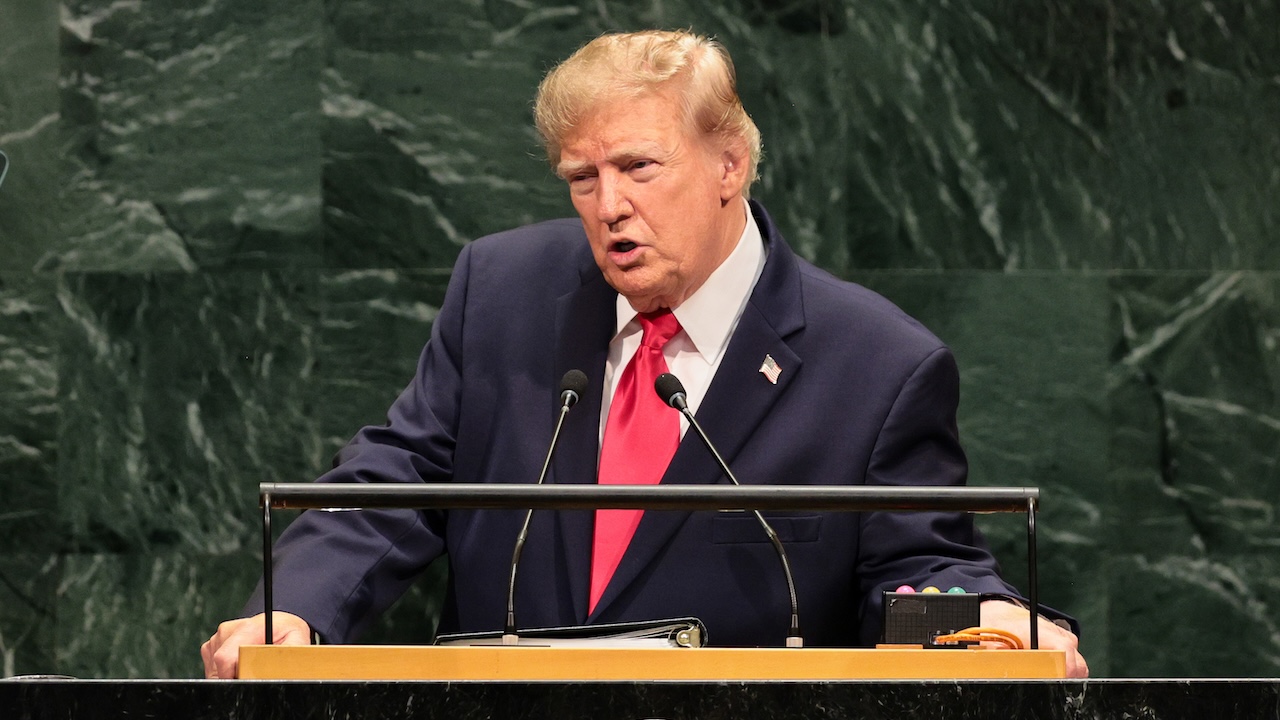
TWO WEEKS TO STOP THE WAR: TRUMP’S TREPIDATIOUS IRAN TIMELINE
Resilience is a national strength. It becomes politically convenient when our capacity to absorb hardship substitutes for an obligation to relieve it.
Public endurance should never be mistaken for public consent.
Morgan P. Lorio is a retired orthopedic spine surgeon, healthcare policy author, hospital chaplain, and former president of the International Society for the Advancement of Spine Surgery.
Continue reading...
[ H/T Washington Examiner ]