




President Donald Trump says the United States and Canada are now “very close” to a new trade agreement after months of tariffs, retaliation and failed negotiations.
Trump offered his upbeat assessment Sunday after speaking with Canadian Prime Minister Mark Carney. Both leaders said their teams will work in the coming weeks, but neither side has released a final agreement or a timetable for signing one.
Carney announced the renewed push after what he called a good conversation with Trump:
The public statements mark a striking change in tone. Formal talks collapsed in August when Ottawa rejected late U.S. demands that Carney said threatened Canadian sovereignty, French-language protections and the country’s auto sector.
Washington then imposed 50 percent tariffs on roughly $20 billion in Canadian goods. Canada responded with retaliatory duties, deepening a dispute that has hit manufacturers, farmers and cross-border supply chains.
The Associated Press reports that Trump described the emerging framework as the “concept” of a mutually beneficial deal. He said it would help American farmers and suggested Canada could remove tariffs those farmers currently face.
Trump also said the negotiations involve the proposed Keystone XL pipeline. No published framework yet explains how the pipeline, steel duties, auto tariffs or agricultural concessions would fit together.
The White House rapid-response account posted Trump’s comments as he returned to the campaign trail:
Trump said the agreement would be good for the United States and its farmers while remaining acceptable to Canada. His comments came after he landed in Iowa for a midterm rally, placing the trade issue directly in the final stretch of the American campaign.
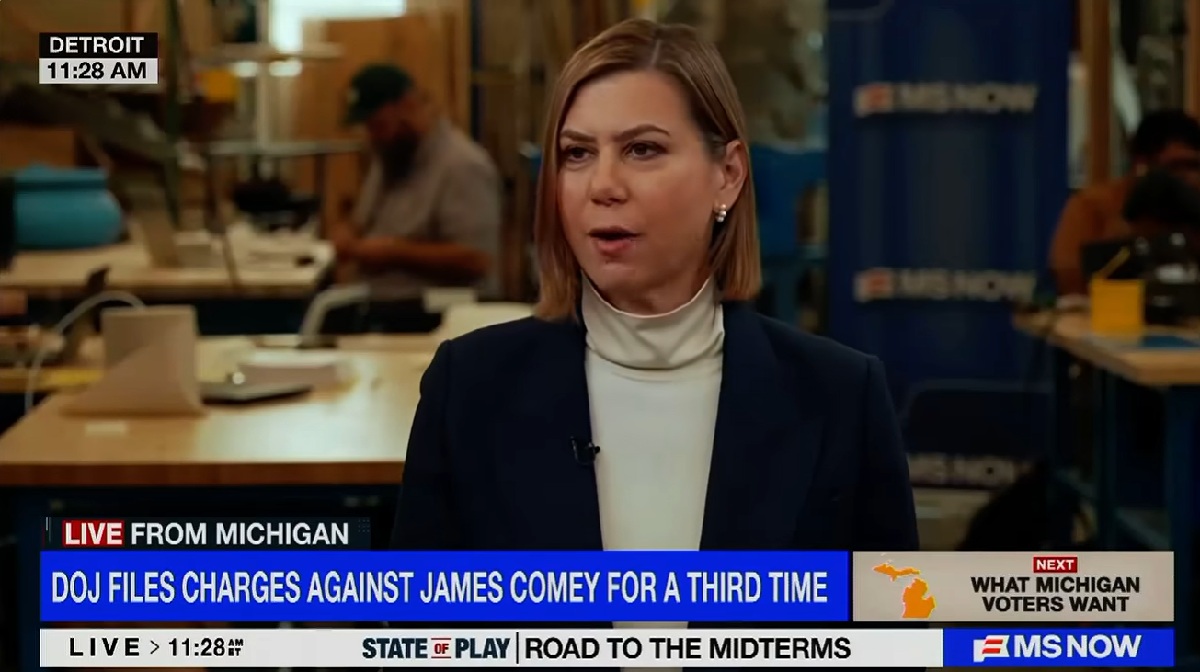
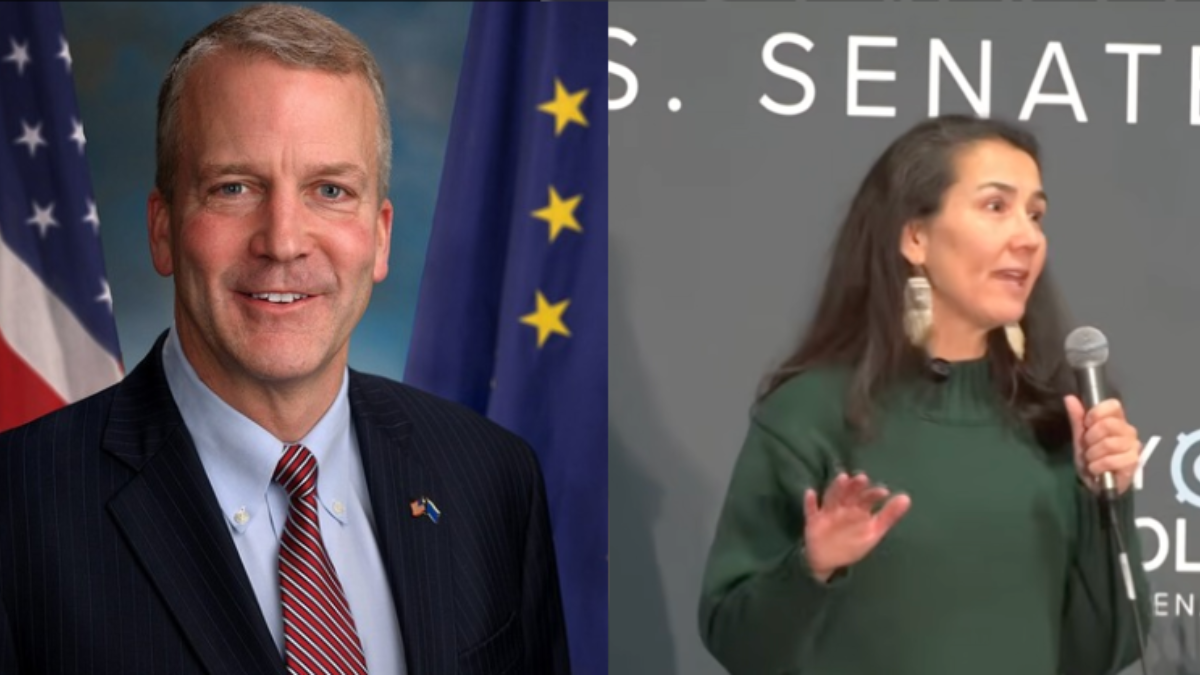
The timing matters. The tariff fight has become a political issue in border states, including Michigan and Maine, where major Senate contests will help determine control of Congress.
Michigan Republican Senate candidate Mike Rogers has urged an end to the trade war. Businesses in the state depend heavily on Canadian parts, customers and energy flowing through one of the world’s busiest commercial relationships.
The Canadian Press, published by CityNews, says Carney’s announcement revives a negotiating process Ottawa had described as stalled only days earlier. Carney said the outline under discussion should create jobs, lower family costs and protect Canada’s languages, culture and sovereignty.
The report also notes that no agreement resulted from the leaders’ call. Negotiators still have to convert their broad political commitments into terms that both governments can defend at home.
Canadian business coverage quickly picked up Trump’s claim that the two countries are nearing a deal:
Two large sectors remain at the center of the dispute. Canadian steel and automobiles face punishing U.S. tariffs, while American producers want access to Canadian markets without Ottawa’s retaliatory charges.
Keystone XL adds another layer. The long-disputed pipeline was designed to move Canadian crude to refineries in the United States, and Trump has repeatedly supported reviving the project after former President Joe Biden revoked its permit in 2021.
Trump said Sunday that Canada would be involved in paying for the pipeline. Canadian officials have not publicly confirmed a financing plan or said that a Keystone commitment is part of an agreed package.
The leaders’ wording therefore deserves careful attention. They described outlines, a concept and work that will continue over the coming weeks — not a completed treaty ready for signatures.
Carney has spent recent months reducing Canada’s dependence on the U.S. market. Canada and the European Union launched a new alliance Friday, and Ottawa wants to double exports to countries outside the United States over the next decade.
That diversification effort gives Carney another card in negotiations, but geography still makes the American market essential. The United States remains Canada’s largest trading partner, while Canadian energy, metals, vehicles and agricultural products remain important to American consumers and factories.
Canadian Conservative leader Pierre Poilievre pressed Carney to turn the warmer language into a concrete result, arguing that families and workers cannot afford an open-ended dispute.
The next test is whether negotiators can produce actual tariff relief without reopening the sovereignty and cultural disputes that sank the August talks. Until the terms are published, Sunday’s exchange is a breakthrough in tone — and a serious negotiating signal — rather than a finished deal.
Continue reading...
[ H/T WLT Report ]