




The Trump administration has finally secured a deal on Greenland. But it was reached despite President Donald Trump’s self-defeating tactics and rhetoric, not because of them.
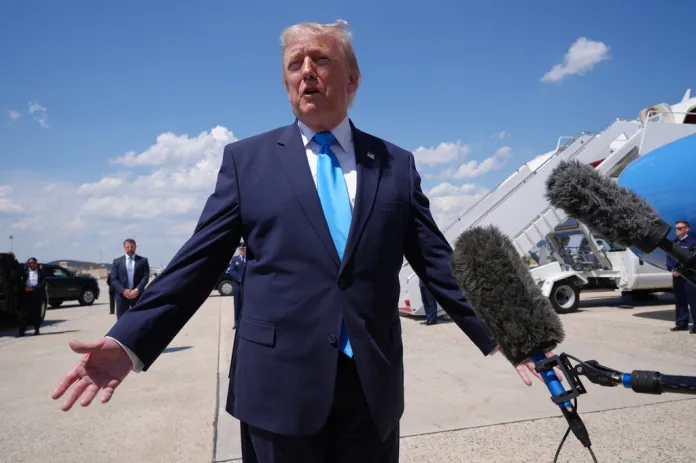
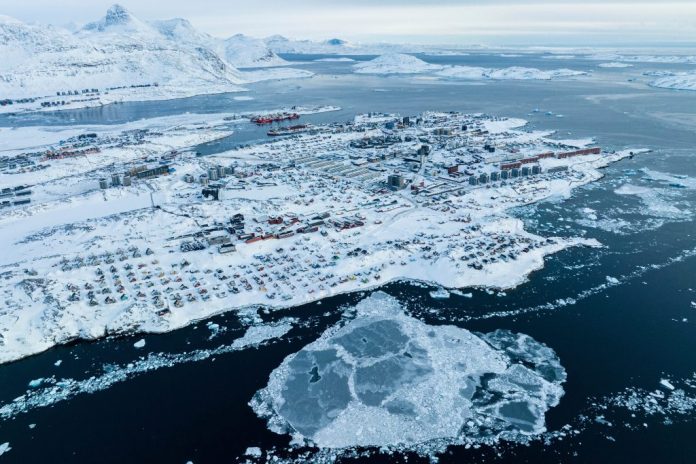
On Friday, the president announced that the U.S. had entered into an agreement with Denmark and Greenland that gives America “permanent control” over the world’s largest island. The autonomous territory within the Kingdom of Denmark became an early foreign policy fixation for the second Trump administration because of its vital strategic position along America’s eastern Arctic approaches.
“The United States needs Greenland for the purpose of national security,” Trump said in January 2026. The president called the territory “vital” for U.S. missile defense and NATO and warned that “if we don’t get it, Russia or China will.”
The focus on Greenland struck some observers as outlandish, but it isn’t.
The island’s population is small, but the territory itself is enormous and important to the U.S. Since 1867, several American presidents have tried to buy it, and in 1951, the U.S. negotiated a defense agreement that granted the U.S. military basing and operational rights there.
Cold War strategy against the Soviet Union was the backdrop for that agreement, and security concerns about Russia and China have once again compelled American defense planners to renew their interest in the territory.
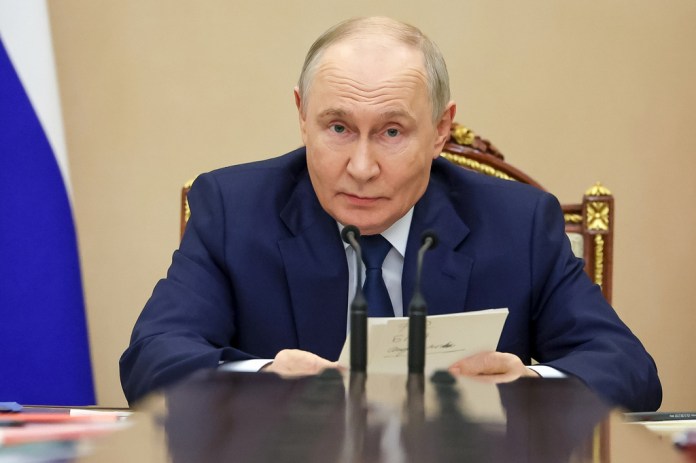
Vladimir Putin’s Russia has expanded its military presence across its vast northern frontier, near NATO allies such as Canada, Finland, Norway, and Sweden. This buildup gives Moscow greater ability to threaten allied territory, disrupt North Atlantic shipping, and project power toward North America.
Putin wants to dismember NATO. He and his counterpart in Beijing would also like access to the shipping routes and maritime passages that control of Greenland would provide. Greenland, rich in untapped fossil fuels and critical minerals, is an attractive target.
It had also appeared ripe for the taking. The 1951 agreement did not prohibit investment or influence by America’s foes. Denmark and other NATO allies also lack the means to ensure Greenland’s territorial integrity. Putin, by contrast, has been steadily building Russia’s Arctic capabilities.
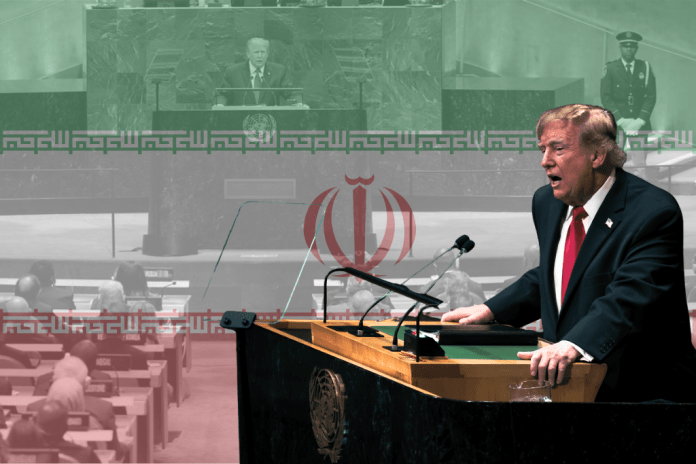
Unfortunately, Trump’s response was excessively theatrical. Shortly before his second term began, he declared that “ownership and control of Greenland is an absolute necessity.” White House officials initially refused to rule out the use of military force to take the territory and warned that “utilizing the U.S. military is always an option at the Commander in Chief’s disposal.”
In December 2025, Greenland’s prime minister said that “we are not for sale and will never be for sale.”
In response, Trump threatened to impose tariffs on European countries that did not support his ambition to acquire Greenland. During a conversation with Norway’s prime minister, he linked his failure to be awarded the Nobel Peace Prize to his bellicose approach. He shamefully browbeat Denmark and Finland, both of which are U.S. allies.
Danish troops fought alongside the U.S. in Afghanistan and experienced one of the highest casualty rates while fighting in Helmand Province. Finland has long been a bulwark against Russian expansionism.
Both countries are important for securing America’s interests in Europe and the Arctic. Trump’s approach not only alienated them but also created a crisis among our European friends. Trump did “significant damage to transatlantic trust,” Torrey Taussig of the Atlantic Council observed.
BLAME UNIONS, NOT RACISM, FOR NEW YORK CITY’S FAILING PUBLIC SCHOOLS
The Trump administration persisted in its heavy-handed approach long after it had obviously failed. Yet the recent agreement, announced as the midterm elections approach, differs little from an offer that was on the table before the past two years of drama began.
The Trump administration deserves credit for recognizing the importance of Greenland, but its tactics were a diplomatic fiasco.
Continue reading...
[ H/T Washington Examiner ]