




Still reeling from President Donald Trump’s surprise deal lifting sanctions on Russian diesel fuel, Ukraine discovered on Wednesday that its access to a vital American satellite internet service had been abruptly throttled. The disruption’s cause remains unclear, but it comes as Washington is pressuring Ukraine to swallow a one-sided truce protecting Russian oil refineries.
Ukraine feels betrayed, and understandably so. But it’s not the only loser here. Trump’s current approach not only undermines his own peace diplomacy but will likely also fail to lower fuel prices. Washington should instead focus on pushing the Kremlin to accept a mutual energy truce, which would both safeguard Ukrainian civilians and enable greater Russian supply.
Overnight, Ukrainian units suddenly found that terminals for Starshield, the military version of Elon Musk’s Starlink, were losing connection when traveling at high speeds. This restriction immediately hamstrung Ukrainian operations, including some of its defenses against Russia’s growing arsenal of jet-powered attack drones.
“Anytimings on [Starshield’s] speed or usage are decided by the US military and ultimately POTUS,” Musk wrote on X. Connectivity now appears to have been at least partially restored, but Washington still hasn’t explained whether the disruption resulted from a technical glitch or a deliberate policy decision.
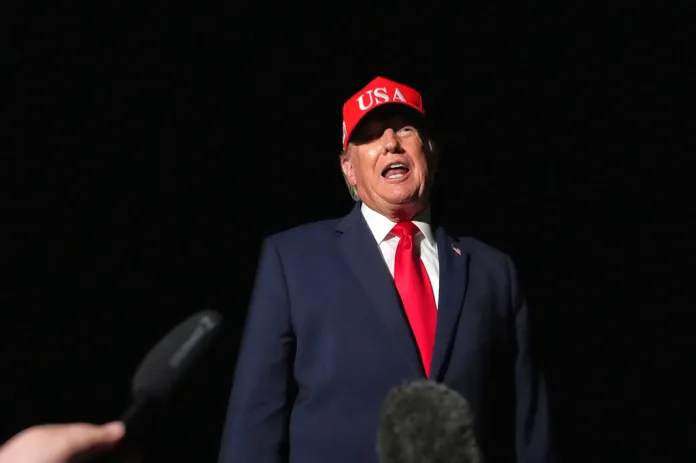
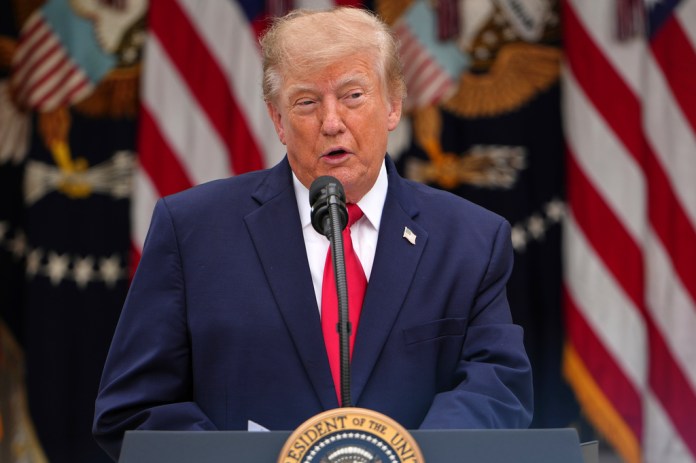
The timing was suspect. It followed a war of words between the United States and Ukrainian leaders, ignited by Trump’s Oct. 9 announcement that he and Russian President Vladimir Putin had struck a deal aimed at reducing record diesel prices ahead of the midterm elections, blindsiding Kyiv.
Under the deal, Washington waived sanctions on Russian diesel shipments. Moscow, in turn, eased export restrictions it had introduced following Ukrainian strikes that have slashed Russian refining capacity.
To facilitate Russian exports, the White House is demanding that Ukraine halt those attacks. The administration reportedly has threatened to withhold intelligence and European-funded transfers of critical American arms.
Kyiv would be prepared to stomach the deal were it part of a genuine truce covering both Ukrainian and Russian energy infrastructure. Washington had suggested that idea to Moscow, with Trump attempting to impose an immediate “ENERGY CEASEFIRE” via social media.
Yet, Russia has continued striking Ukrainian power and gas facilities. That’s because Putin believes — wrongly — that tormenting civilians will help bend Ukraine to his will. Russia has devised detailed plans to bombard energy and water infrastructure in the coming months, building on recent strikes targeting grain exports and other economic sites.
Rather than pressing Putin to relent, Trump is effectively giving him a free pass.
And for what? Analysts are skeptical the diesel deal will offer meaningful relief. The volumes announced for the agreement’s initial tranche would satisfy less than a day’s worth of American demand.
What’s more, Washington is undercutting its own negotiating position in talks to stop the killing in Ukraine.
Since last year, the administration has insisted that Russia must end the war before it can enjoy sanctions relief and renewed economic ties with the U.S. Recently, however, some White House officials have come to believe that striking economic deals now, before a settlement is reached, could help generate momentum.
More likely, the Kremlin will read this as a sign of irresolution — a reason to dig in its heels on maximalist territorial and political demands that stalled previous rounds of peace talks. That goes double for U.S. threats to cut military support for Ukraine.
In Moscow’s eyes, Trump has proven willing to sacrifice Ukrainian interests in exchange for a political favor from Putin. The administration’s present course risks encouraging Russian efforts to split Washington from Kyiv and enlist American help in imposing draconian terms on Ukraine.
If nothing else, Putin will conclude that U.S.-Ukraine friction offers ripe conditions to intensify military pressure. It’s no surprise that Moscow is now rebuffing Washington’s requests to resume U.S.-brokered peace negotiations.
Rather than throwing Ukraine under the bus, the White House should redouble its efforts to achieve a genuine energy truce.
That outcome wouldn’t just be a godsend for Ukraine. It’d also be the best way of getting more Russian diesel to market.
Kyiv has made clear it will not grant Russian refineries endless respite if Moscow never reciprocates. Further Ukrainian strikes will keep Russian output depressed, even if a cutoff of U.S. targeting intelligence makes life harder for Ukrainian planners. Throttling Starshield will not preclude these long-range attacks, since they rely on alternative means of guidance.
To persuade Putin, Ukraine needs to show that it can blunt Russian strikes and fast. Kyiv is running dangerously low on key air defense munitions, and too many Ukrainian F-16s are sidelined due to Western maintenance delays.
IRAN ‘BLEW THE HELL OUT OF BAHRAIN’ — AND TRUMP’S GULF STRATEGY WITH IT
While those problems have no easy solutions, there is a way Trump could make an immediate difference. Don’t restrict Starshield — expand access. Allow Ukraine to use the system to hunt missile launchers inside Russian territory, where it’s currently inaccessible.
By working with rather than against Ukraine, Trump has a better shot of delivering relief to American motorists and Ukrainian civilians alike.
Mark Montgomery is a retired Navy Rear Admiral and senior fellow at the Foundation for Defense of Democracies. John Hardie is deputy director of the Russia program at FDD.
Continue reading...
[ H/T Washington Examiner ]