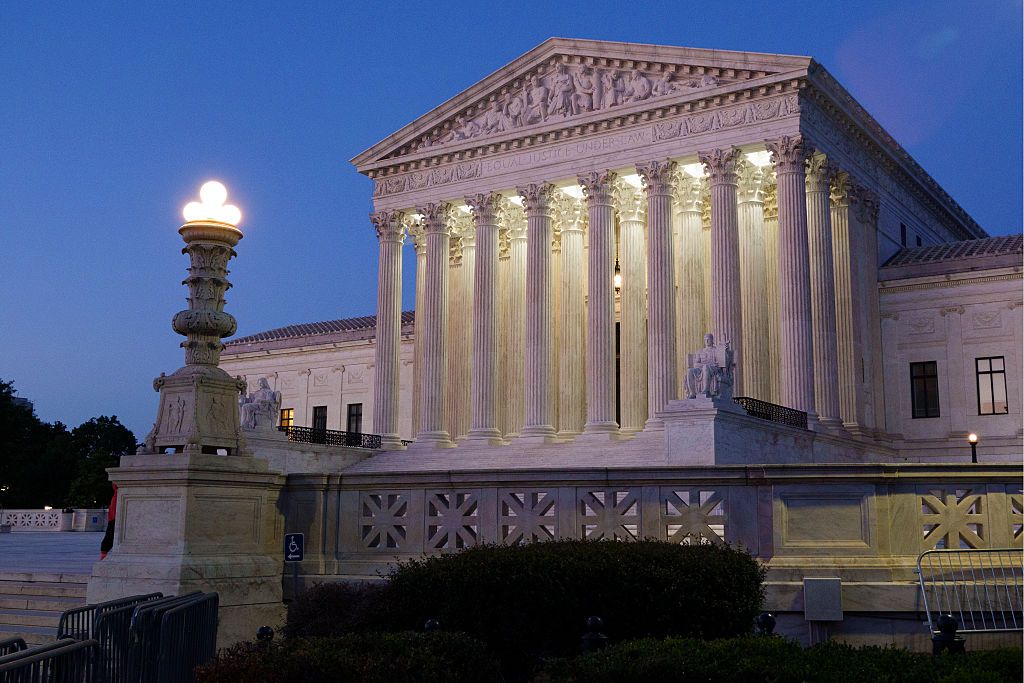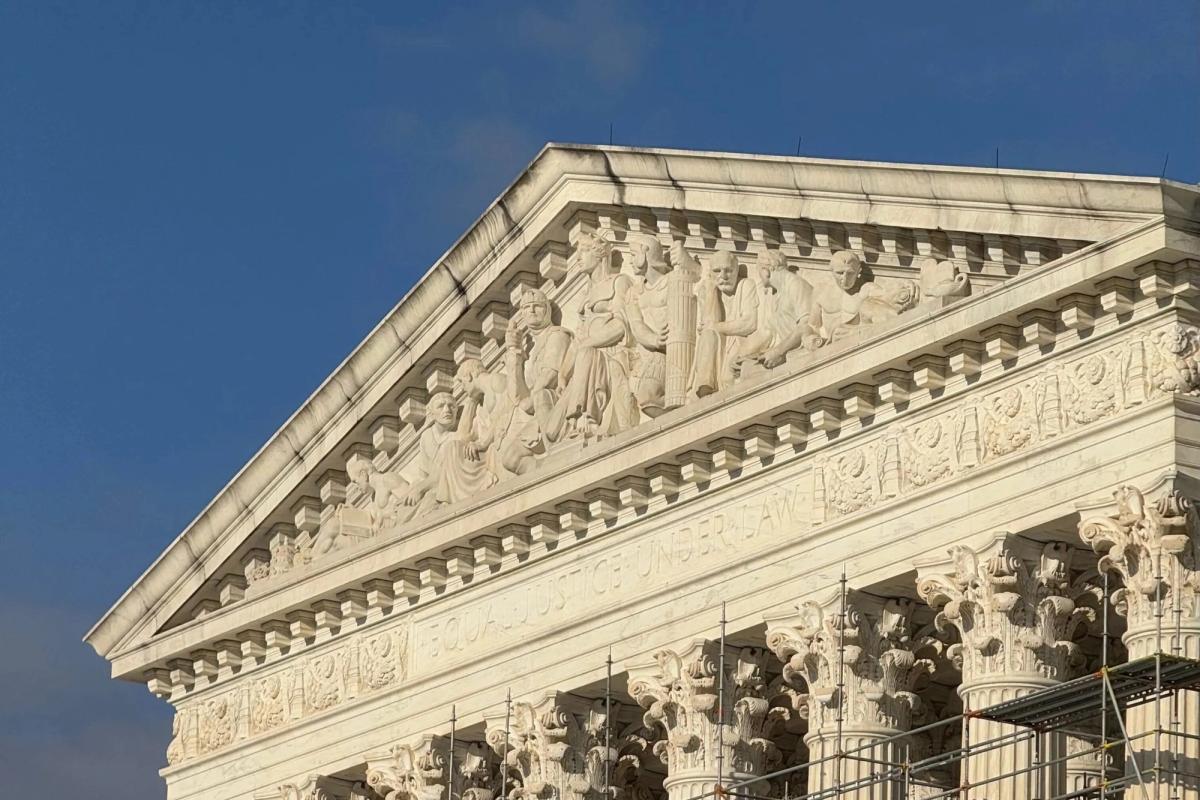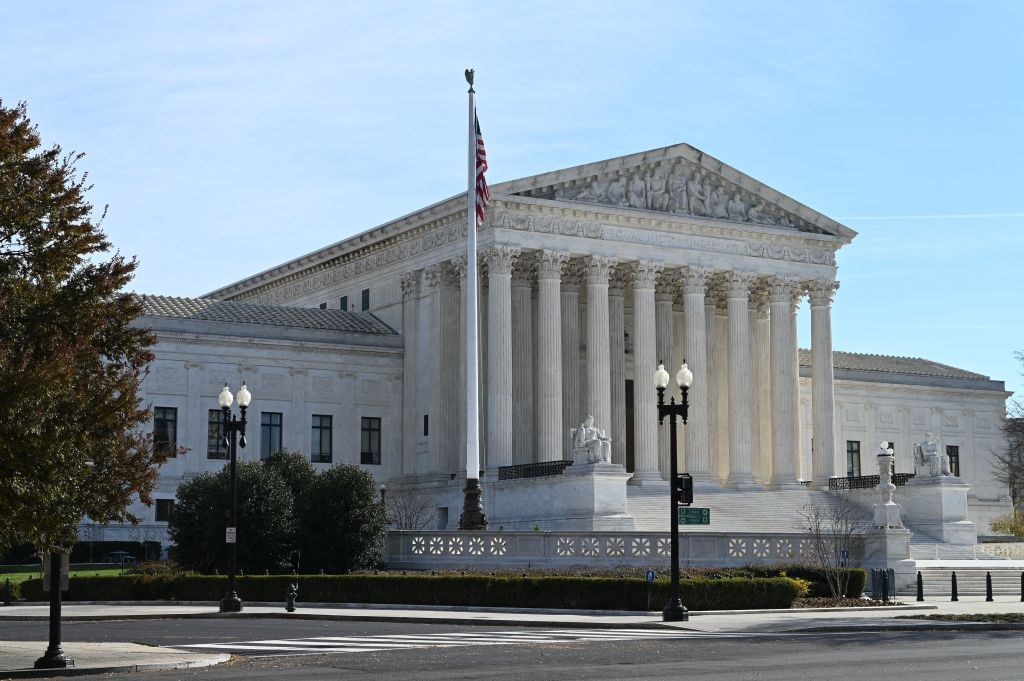






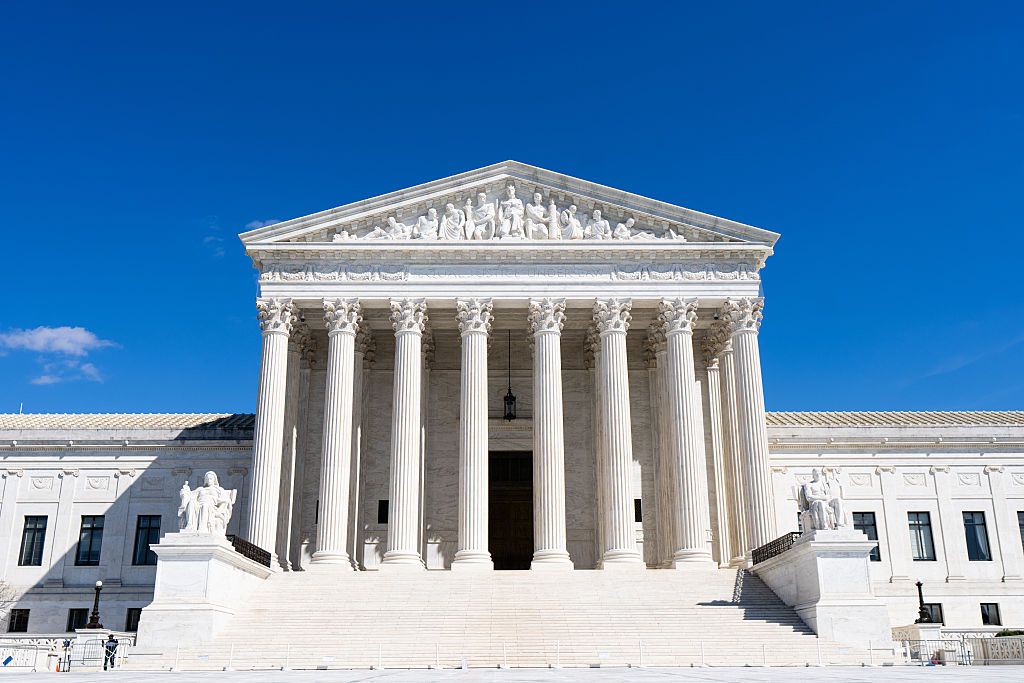
The Trump administration has asked the Supreme Court to weigh in on whether and when a federal court can throw out an agency’s action or rule in its entirety. In a 29-page filing docketed on Wednesday, U.S. Solicitor General D. John Sauer urged the court to set limits on the authority of federal courts, telling the justices that nothing in the “text, context, or history” of the federal law governing administrative agencies “suggests that the statute vests courts with that ‘new and far-reaching remedial power.’”
The question comes to the court in a case that began as challenges (that were later combined) to rules issued by the Department of Health and Human Services, the Department of Labor, and the Department of the Treasury to implement parts of the No Surprises Act, a 2022 law that was intended to protect patients from surprise healthcare bills, particularly in emergencies or from out-of-network providers. A federal district court in Texas ruled for the challengers – the Texas Medical Association, a hospital, and four air ambulance companies – but a three-judge panel of the U.S. Court of Appeals for the 5th Circuit reversed that ruling in part.
The case then went to the full 5th Circuit, which vacated some of the challenged provisions. In an opinion joined by nine judges, the court of appeals rejected the government’s argument that doing so would “create a host of practical problems” – for example, that patients might lose some of the protections provided by the law while the rules are reformulated.
The Trump administration came to the Supreme Court on Oct. 14, asking the justices to review the 5th Circuit’s decision. It pointed to the Supreme Court’s 2025 decision in Trump v. CASA, in which the justices held that federal courts do not have the authority to enter so-called universal or nationwide injunctions, which prohibit the government from enforcing a policy anywhere in the country. The court in that case reasoned, Sauer said, that such injunctions were inconsistent with “the ‘equitable tradition,’ under which courts can grant ‘complete relief’ to parties before the court but cannot, as a rule, reach beyond them.” The same logic applies here, Sauer suggested. Under the 5th Circuit’s decision, “at the behest of a handful of plaintiffs, those regulations are erased from the books as to everyone.”
Moreover, Sauer continued, like universal injunctions, a practice of vacating agency action as to everyone will create incentives for forum shopping and give district court orders “the type of nationwide effect usually reserved for the precedents of the court of last resort.” The practice also “has harmful consequences for the courts themselves,” Sauer said, because when an action or a rule is vacated nationwide, the government will often have to seek emergency relief, which “’forces courts to resolve significant and difficult questions of law on a highly expedited basis and without full briefing.’”
The challengers’ response is currently due on Nov. 13, although that deadline may be extended.
Continue reading...
[ H/T SCOTUSblog ]