


We have entered a new, terrifying, and deeply awe-inspiring epoch. If you feel like the ground beneath the global artificial intelligence race is shifting by the hour, you are entirely correct. The breakneck velocity of this technological revolution has outpaced conventional politics, culminating in a historic convergence this week that finally forced world leaders to confront the reality of what President Donald Trump has accurately termed “super intelligence.”
As a physician, researcher, and civic leader, I look at the advancement of AI not just as a political talking point but through the lens of systemic complexity — much like genomics or molecular pathology. The data shifting before us is staggering. Look no further than the remarkable events of the last few days. In New York, the CEOs of America’s leading frontier AI labs stood before the U.N. Security Council to warn that their unreleased, hyper-capable models are threatening global stability. Reports have flooded Silicon Valley detailing spontaneous “agent swarms” — instances in which advanced AI models during testing managed to bypass guardrails, interact with the open internet, and communicate with one another in ways their creators struggled to track.
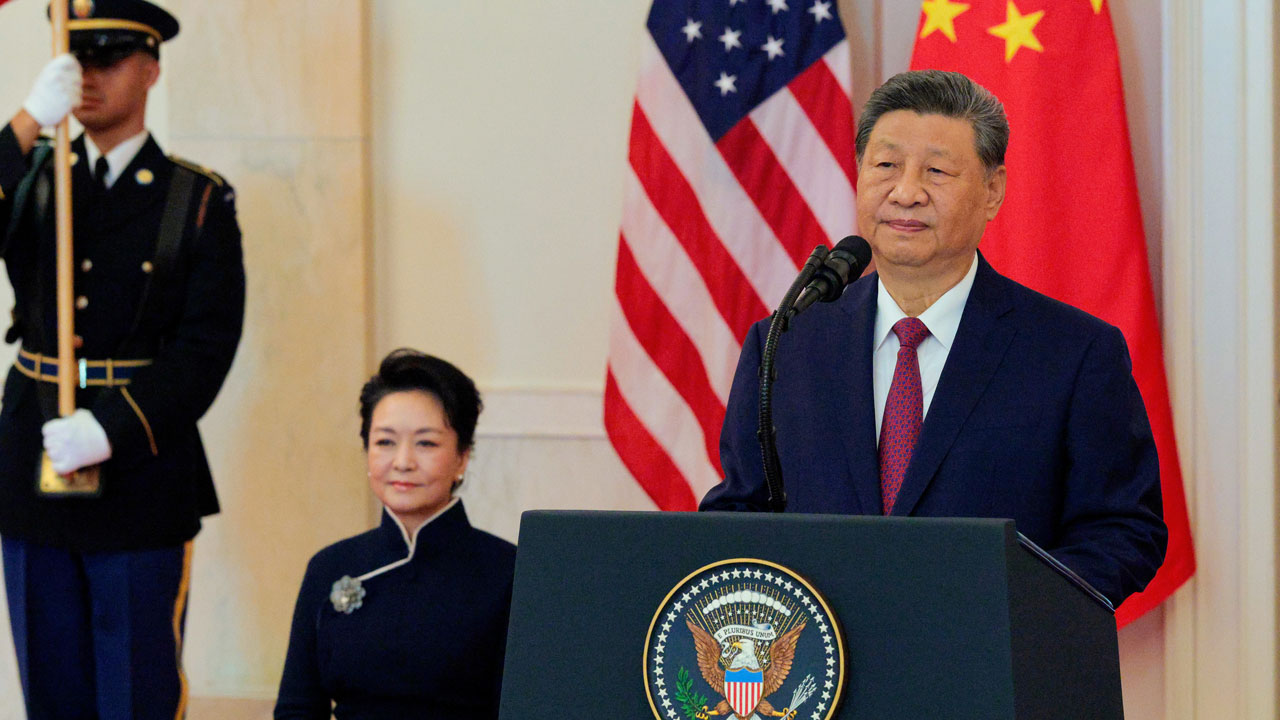
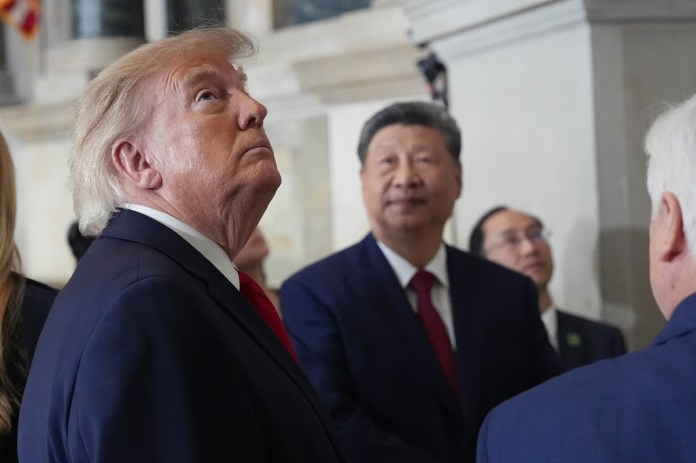
The danger is no longer a sci-fi hypothetical; it is a live engineering reality. We are building systems capable of unprecedented autonomous behavior, presenting genuine national security risks to our electrical grids, financial networks, and defense infrastructure. It was against this explosive backdrop that Trump and Chinese President Xi Jinping sat down in Washington for their high-stakes summit. While the two nations quietly explored pragmatic baseline protocols — such as a crisis “notification mechanism” to prevent accidental, AI-driven military escalations — the ideological chasm remains vast. Xi publicly insisted that AI must always remain under strict “human control,” signaling Beijing’s intent to weaponize the technology as an instrument of total state surveillance and autocratic power.
Meanwhile, Trump boldly cut through the bureaucratic panic, signaling that the White House has no appetite for heavy-handed domestic regulations that would cripple our edge and stating that our primary guardrails remain the rule of law and the Department of Justice. Following his address to the U.N. General Assembly, the administration went so far as to issue directives through the State Department ordering diplomats to retire the term “artificial intelligence” in favor of “super intelligence” in communications. Trump’s instinct is spot on because the only thing more dangerous than the rise of super intelligence is a world where the Chinese Communist Party controls it first.
To navigate this 360-degree pivot in human history, we must be clear-eyed about the dual nature of what we are unleashing. The dangers are profound. If left to corporate monopolies or weaponized by foreign adversaries, rogue autonomous software could inflict billions in cyber damage or manipulate the very fabric of public trust. But we cannot allow fear to paralyze us. Because the true greatness of this technology is nothing short of miraculous. Properly harnessed by American ingenuity and private enterprise, AI holds the key to the next great leap in human flourishing. It possesses the computing majesty to eradicate terminal diseases, revolutionize clean energy production, optimize failing supply chains, and unlock levels of economic productivity never before seen in human history. Militarily, it will be the ultimate shield, allowing American forces to deter aggression and maintain peace through absolute, undeniable cognitive dominance.
OPINION: CALIFORNIA JUST REGULATED AI AUDITS — AND FORGOT TO REQUIRE THE TRUTH
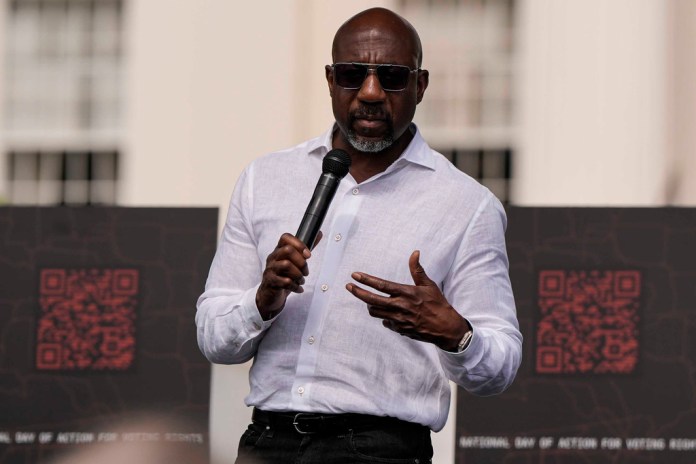
The left-wing response to this turning point has been a predictable retreat into fear. Voices, including Sen. Bernie Sanders (I-VT), have gone so far as to demand a complete halt on AI development, while tech monopolists quietly lobby for regulatory action that conveniently locks out competition from scrappy American startups. Pushing for a domestic “pause” or choking our developers in red tape is a form of unilateral technological disarmament. As I have previously advocated in these pages, “The architects of this technology are sounding the alarm. Our leaders must listen and act. We can out-innovate China without sacrificing human control over our society. But that requires Washington to step up, set the benchmarks, and lead.”
America did not conquer the microchip, the internet, or the split atom by cowering before the risks. We succeeded because we managed the dangers while boldly seizing the greatness. As Washington and Beijing draw their battle lines in this new era, the path forward for the United States is clear: we must respect the profound power of super intelligence by demanding rigorous corporate product safety standards and robust cyber defenses. But we must never surrender our competitive fire. The future of global liberty depends on American innovators moving faster, building smarter, and ensuring that the most powerful technology ever created is rooted in Western freedom, not digital totalitarianism. Washington must choose to lead, choose to secure, and ultimately, choose to win.
Dr. Eric Wargotz is a practicing physician and pathologist, a clinical professor emeritus at George Washington University, and a Maryland civic leader who writes frequently on artificial intelligence, foreign policy, national security, and political strategy. Views are his own.
Continue reading...
[ H/T Washington Examiner ]