

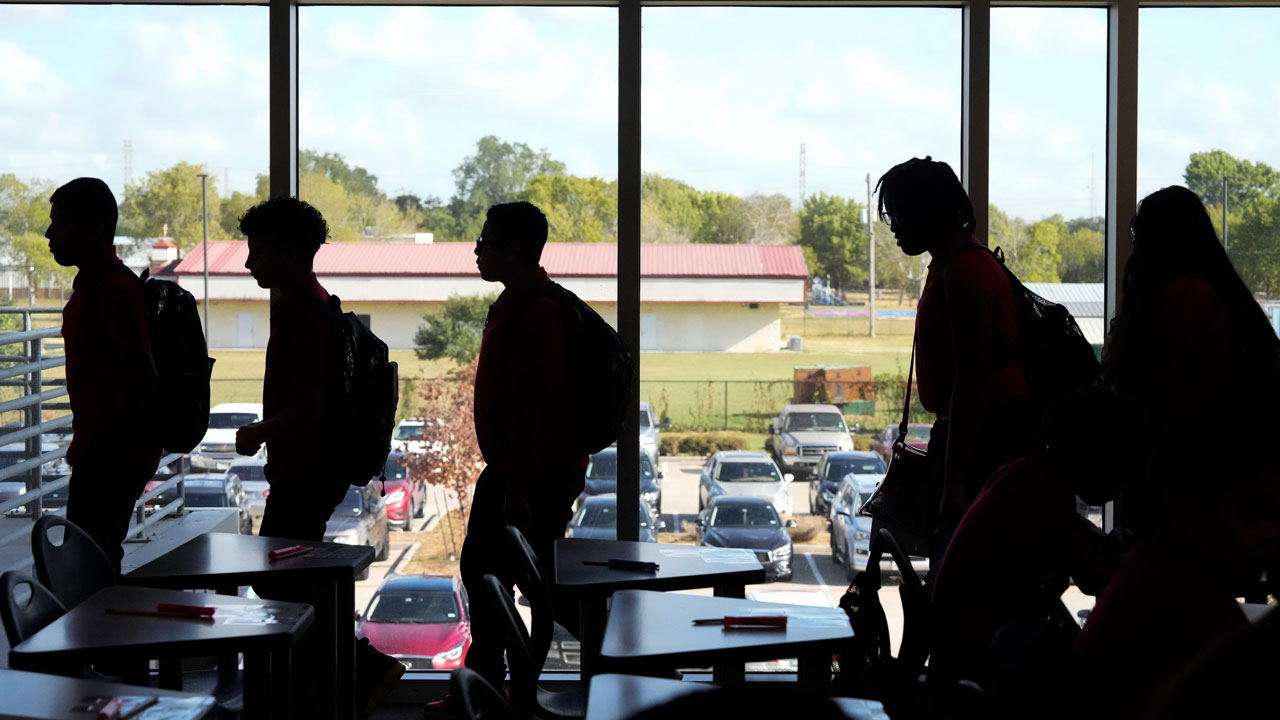

When I was U.S. Consul General in Marseille, France from 2017–2020, I visited countless schools across the south. One was the Lycée de la Méditerranée, a high school in the city of La Ciotat on the Mediterranean coast. By French standards it was a tough school, though it would not have seemed so in comparison with inner-city America. Many of its students had family roots in France’s former colonies.
Today, I watched a video of young people at that Lycée, who may not all have been students there, assault and pour gasoline on a teacher, with the presumed intent to set him alight.
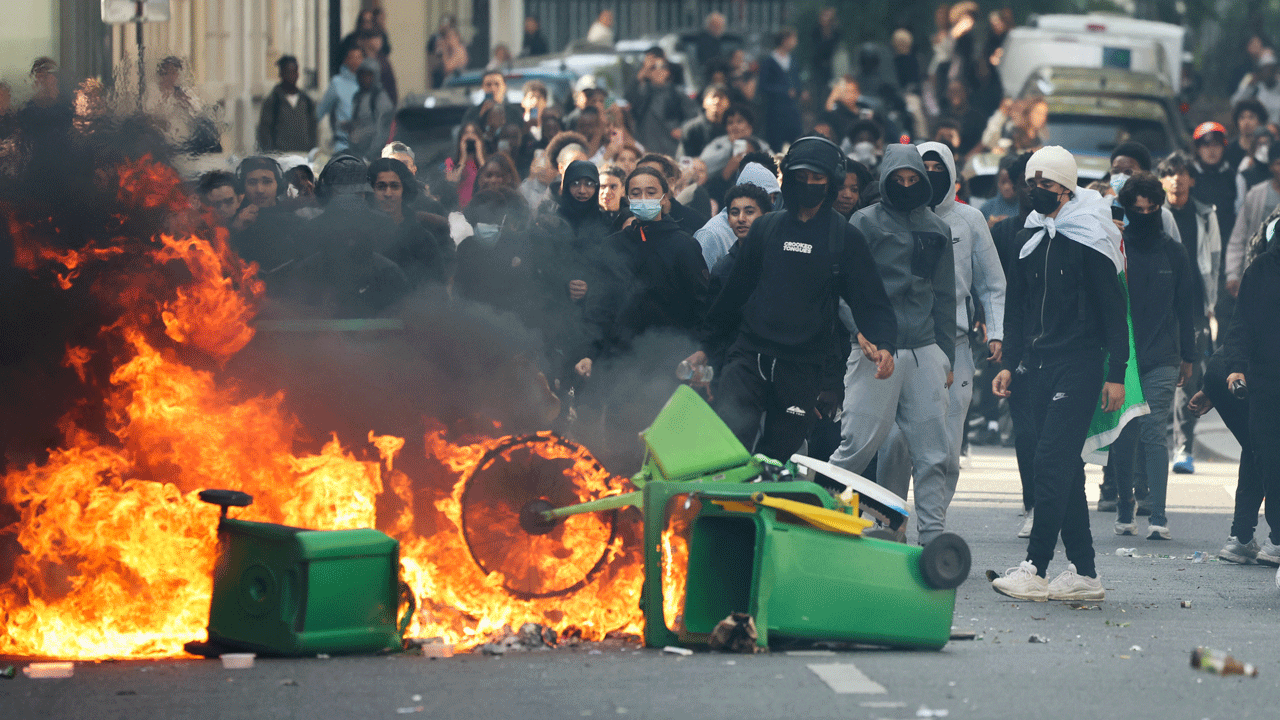
Elsewhere across France, there has been rioting and mayhem. In Marseille, rioters set their school on fire and then torched the fire truck sent to put it out. In Nantes, rioters caused millions of euros in damage to 40 schools. In Paris, high schoolers blocked their school, set fire to e-bikes, and played cat-and-mouse with riot police. French police have arrested around 2,000 people–mostly young folks, though not necessarily students–so far.
Strikes are a national sport in France, and not a year goes by without a major walkout and protest by public workers over pay, benefits, work conditions, or politics. In my three years, the rail system was regularly shut down by strikes, and the roads were once blocked for days at a time by the Yellow Vest movement, which merged various cost-of-living grudges into an inchoate populist protest nation-wide for two years. Setting fire to cars, breaking windows, and other property damage are also common in French protests.
Something feels different this time. Though these are ostensibly protests about poor school conditions, there have been violent assaults on teachers and public workers who have no control over state budgets. Non-students have joined in rioting and vandalism. Palestinian flags can be seen, though school funding has nothing to do with Gaza.
Perhaps this merging of general unrest is linked to France’s presidential elections next April that will pit the far-left France Unbowed (LFI) party of Jean-Luc Mélenchon against Marine Le Pen’s right-wing National Rally party. Mélenchon has the standard far-left agenda: anti-Israel, more public spending, no welfare reform, against migration controls. Le Pen’s main issue is immigration; she promises to stop mass migration and ensuing cultural Islamization. Le Pen, and reportedly French intelligence sources, have claimed that elements of Mélenchon’s LFI party were instigators of the student riots.
The hapless Emmanuel Macron, a compromise centrist, has been in power since 2017 and can’t run again after his two terms. He has no clear successor for his party, which he founded to run for the presidency in 2016. Once labelled “Jupiter” for his lofty ambition and arrogance, Macron has failed to tame France’s structural problems: a torpid economy, mass third-world migration, and an unaffordable welfare state. Annual budget deficits have raised the national debt to 119% of GDP, or 3.9 trillion euros–four trillion dollars.
In 2019, Macron tried and failed to consolidate France’s 42 public retirement programs, which had different conditions for railroad workers, teachers, police, and other civil servants. Massive strikes and protests derailed his plans. In 2023, Macron did finally manage to raise the minimum age of retirement from 62 to 64, but only by using his powerful office to bypass parliament, and only starting in 2030. Nationwide mass protests against that reform made further such efforts politically impossible for Macron.
France’s most famous student riots were in 1968, where the post-war baby boom generation took to the streets in mass protests that shut down the country. One of their many gripes was underfunding of universities. The ostensible cause of this week’s high school riots is also large class sizes, teacher shortages, and dilapidated schools.
There is surely some legitimacy to these claims, although France spends around $12,000 a year per pupil nationally. That may be only a fifth as much as New York City spends per student, but it means France now spends about as much–around 7% of its annual budget–on K-12 education as it does servicing debt.
Just as with the public worker strikes, even if Macron wanted to meet the students’ demands, there simply isn’t more money to spend. To rise to President Donald Trump’s call to spend more on defense, NATO countries agreed in 2025 to spend at least 3.5% of their GDP on core military spending. France plans to get to 2.6% by 2030. Personal tax rates are already up to 55.4%, the second highest in Europe. Meanwhile, France’s economy grew at below 1% last year.
In previous elections, the RN (formerly National Front) has not managed to win the first round of a French presidential election. If no party wins a majority in the first round, there is a second round, during which voters have always coalesced around a compromise center or left-wing candidate to keep the RN out of power. This is similar to the German “firewall” where left and centrist parties combine to keep the Alternative for Germany out of power. For now.
It’s possible that the RN will once more fail to win the presidency next year. But the riots currently setting France’s high schools ablaze, and assaults on teachers and firefighters, are more likely to redound in favor of a party which favors public order and limited migration, rather than socialists who promise to magic more spending out of thin air.
Continue reading...
[ H/T The Daily Signal ]