


I recently walked into a room in a Chelsea exhibition space to see a single painting. The room had been designed for the one work: Yoshitomo Nara’s “In the Milky Lake / Thinking One,” a monumental canvas more than eight feet tall and nearly six feet wide.
The preview photographs of the exhibition do not prepare you for the experience. Looking at Nara’s piece on a screen and standing in front of it in a small room where there is nothing else to look at are entirely different experiences.
A young girl stands partly submerged in pale water, her eyes closed and her head inclined. The room is silent, and you cannot turn away. I found myself standing there, trying to understand why it affected me so much. I certainly had not expected such a strong reaction. I felt like I was going to cry — perhaps because I am a parent or because of the profound loneliness, even despair, the painting manages to capture. The water looks almost white at first, but then you realize that it has layers of color that take a moment to really see.
It turns out that Nara painted the work in 2011, after an earthquake and tsunami devastated northeastern Japan, the region where he grew up. He struggled to work afterward. Many of Nara’s earlier paintings focused on children who were mischievous or defiant; this one is withdrawn, almost impossibly still.
JOSH SHAPIRO CALLS TRUMP ‘PROFOUNDLY AND PATHETICALLY WEAK’ ON WORLD STAGE, LAYS OUT DEMOCRATIC VISION FOR 2028
The water is critical in this piece. Nara has described a small puddle forming in his heart and growing with the rain until it joined neighboring puddles. His description hit me because I realized that this painting may have been proclaiming visually that no one occupies a world entirely on his or her own.
I also found myself thinking about Nara’s painting during a strange week for technology that was deeply unsettling. First, Microsoft services, including Outlook, went down. Then the Federal Aviation Administration grounded departures nationwide because of problems with its communications and radar systems. This was followed by problems at JPMorgan Chase, where a software failure delayed transactions, including some involving other financial institutions. The incidents had separate causes, but they did give me, and many others, pause to consider how many things we take for granted and rely on suddenly stopped working.
We talk endlessly about how connected we are, and social platforms measure our followers and friends. Yet much of what this connected tech actually does for us is the opposite of connection: the promise that we won’t need to deal with anyone face to face or even over the phone.
We can order and have a customized dinner delivered without speaking to anyone at a restaurant, rent a car without approaching a counter or even seeing a fellow human, or work from home without ever meeting a colleague. I have worked with collaborators whom I have never met in person or even spoken with on the phone for years now. And now AI will increasingly answer questions that once required a conversation with another person.
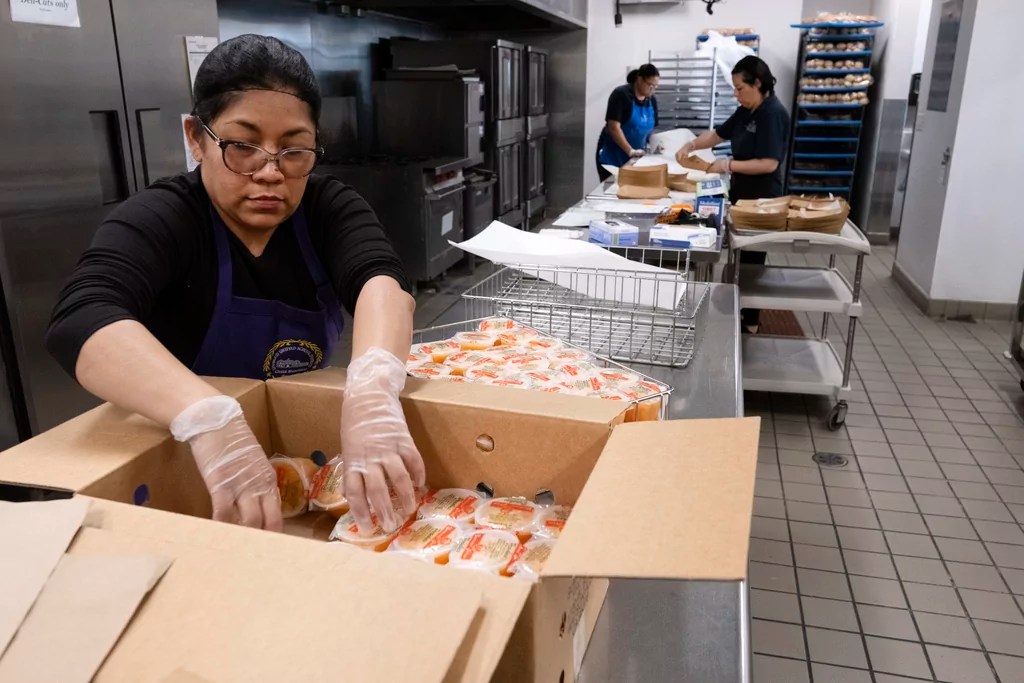
Much of this tech is wonderful and useful, and I certainly appreciate the convenience as much as anyone. But we should not mistake its ease of use for independence from others. An app may minimize time engaging with a fellow human, but it doesn’t eliminate the many people who are actually making the transaction possible. If anything, the smoother the technology works, the less we think about them. That dinner we just ordered to our home still depends on cooks, drivers, farmers, and suppliers, while the plane still requires pilots, mechanics, and controllers nationwide.
I spend much of my professional life thinking about how we teach citizenship. While so much of the formal thinking around citizenship involves talking about elections, laws, rights, and government, citizenship also means that we are part of larger communities, and we need to remember more often that other people’s lives are bound up with ours. Our choices affect strangers, and their judgment and choices impact us. That is simply how society works.
After the earthquake, Nara returned to his home region and took part in relief efforts. The suffering of people beyond what he saw in his home region hit him understandably hard, and that pain is evident in his painting.
That does not mean that Nara’s painting is a civics lesson. But standing before that enormous canvas, I couldn’t get away from the image of a child who looks completely alone but is surrounded by water extending beyond the edges of the painting. I could see her, and only a small part of the world around her.
DESPITE THE HYPE, TRUMPWORLD ISN’T BETTING ON RUBIO RUNNING IN 2028
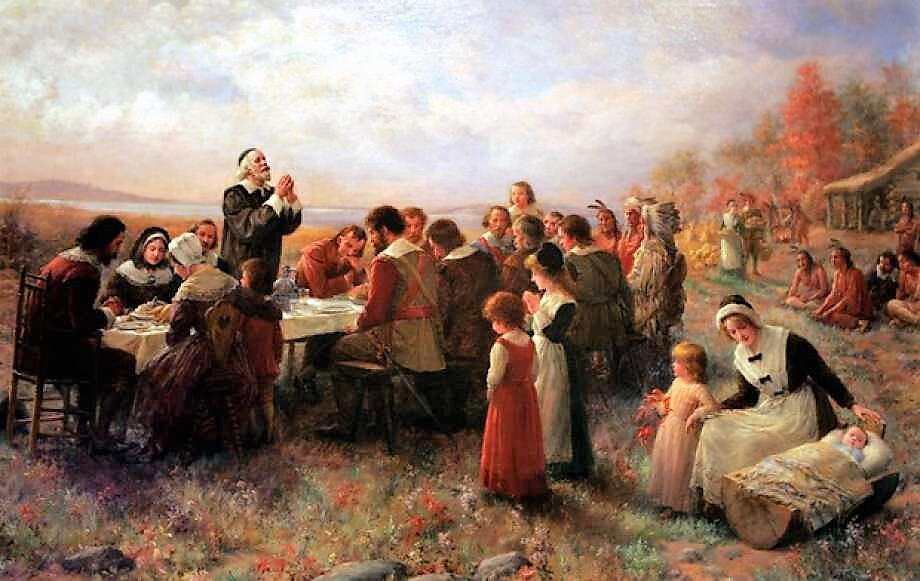
I had gone to see a painting and certainly did not anticipate being moved as deeply as I was. But I am glad I had that experience, particularly as we approach Thanksgiving. We rightly use the holiday to give thanks for our families, friends, and the people closest to us. But perhaps we should also remember the countless people we depend on every day, people we will probably never meet and whose contributions make our own lives possible.
Technology can make it easy to forget that we are still connected to others as real people and that there are people behind the apps that make the world run. Yoshitomo Nara’s painting of a single little girl made that reality hard to forget. And as we head into Thanksgiving, I cannot think of a better reminder that we are far more together in life than we are alone.
Continue reading...
[ H/T Washington Examiner ]