


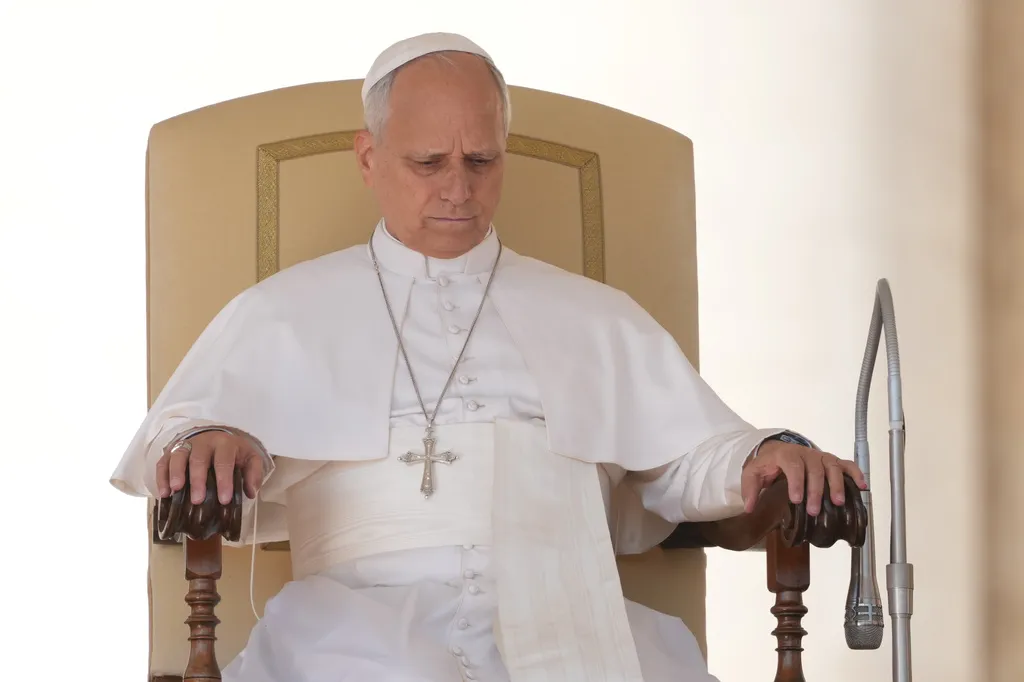
Pope Leo XIV may become the first-ever pope to vote in a secular election, let alone a U.S. one, as he ordered a mail-in ballot for the 2026 midterm elections.
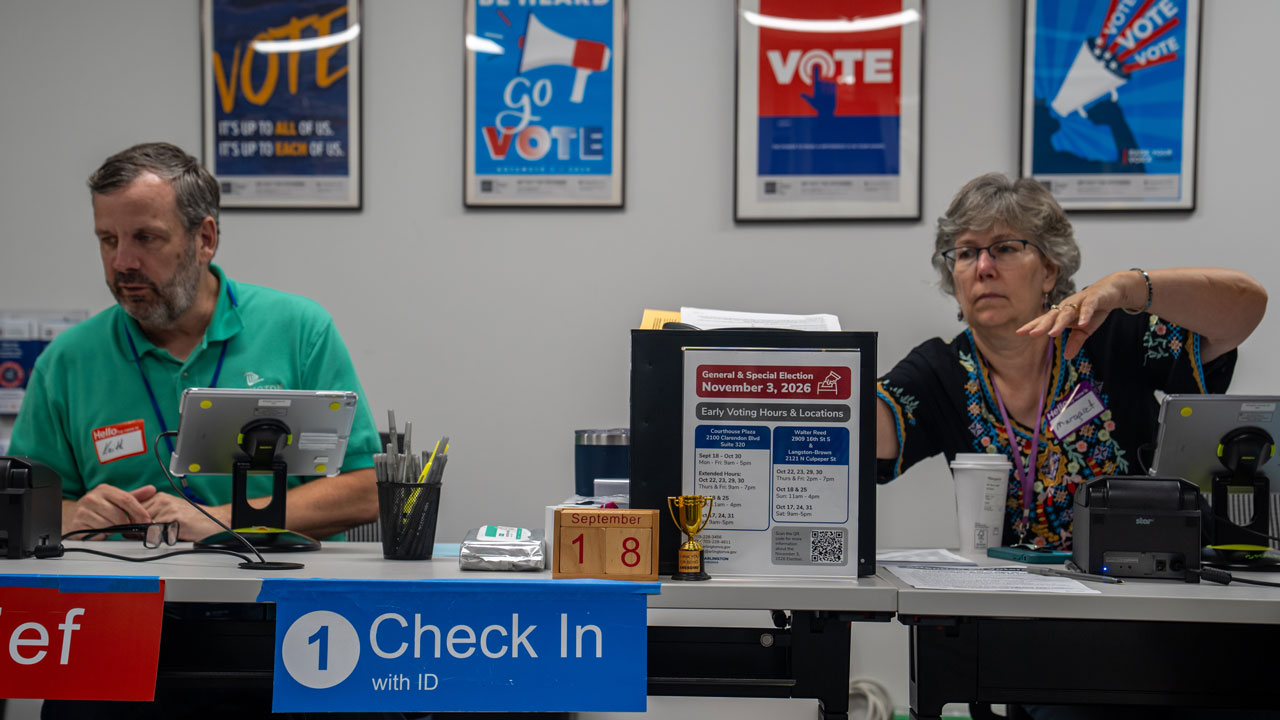
Kim Fladhammer, Will County clerk’s office chief of staff, told the Chicago Sun-Times that the leader of the Roman Catholic Church requested a mail-in ballot on Oct. 3. Despite being the leader of the world’s largest Christian denomination, he remains a registered voter in Illinois, under his old New Lenox address. Fladhammer didn’t say whether the ballot had been submitted, only that it had been requested.
“Robert Francis Prevost is on the list of individuals who requested a vote by mail ballot for the upcoming election,” Fladhammer said, using Leo’s birth name.
Substack writer Christopher Hale, writing in “Letters from Leo,” speculated that the pope’s Trump-supporting brother, John Prevost, could have hand-delivered his ballot while visiting the Vatican earlier this month.
Before he became pope, Prevost voted in Democratic primaries in 2008 and 2010, Republican primaries in 2012, 2014, and 2016, then in general elections in 2012, 2014, 2018, and 2024. He’s never disclosed who he voted for, and Illinois doesn’t register party. Illinois law also doesn’t require absentee ballots, so voters not in the state can simply vote by mail.
Leo’s ballot will include races such as Gov. JB Pritzker’s (D-IL) reelection, the race to fill Sen. Dick Durbin’s (D-IL) seat, and a variety of lower-level races.
POPE LEO TELLS FAITHFUL IN ST. PETER’S SQUARE HE WILL GRADUALLY RESUME DUTIES AFTER CANCER SURGERY
As a sovereign monarch for over a millennium of the Catholic Church’s history, the pope has never voted in a secular election. The closest a pope came was in the election of the Holy Roman Emperors, which was decided by the empire’s Electoral College, a body solidified in the 14th century as comprising seven prince-electors, including the archbishops of Mainz, Trier, and Cologne. The legitimacy of the emperor depended on the papal blessing, and beginning with Innocent III in 1202, popes claimed an effective veto over whoever the electors chose. The electors subtly rejected this, but the emperor-elect continued to rely on the pope’s coronation to assume the imperial title. All of this effectively gave the pope a vote, but he never voted directly.
The papacy has long weighed in on secular politics, a fact that has clashed with President Donald Trump this year, culminating in a feud that has continued to simmer.
Continue reading...
[ H/T Washington Examiner ]