


Summary
- Sabato’s Crystal Ball is out with its midterm projections, predicting 225 House seats at least “lean” Democrat.
- But polls and predictions are designed, the author argues, to suppress turnout, which research shows historically benefits Democrats.
- Election Day turnout will be the true decider of the midterms in Virginia.
With four days to go until the end of Virginia’s 45-day election season, the University of Virginia’s Center for Politics updated its predictions made by “Sabato’s Crystal Ball,” a nickname that Larry Sabato earned in the 2002 midterm elections when he accurately predicted the outcome in 433 of the 435 contests for the House of Representatives and 32 of 34 Senate races.
In Virginia, the Crystal Ball has moved the 5th District race to toss-up, even though it is considered an “R +12” district. (Meaning Republican candidates usually win by 12%.)
It is the only district in Virginia where the Democratic candidate has more money than the Republican, and he is using it to wage a media blitz about incumbent Republican John McGuire.
One of the most outrageous claims is that McGuire supports child marriage!
I asked the congressman where this claim came from, and he told me, “It’s really sick. He tried to say I’m the only one that voted no, but 42 other Republicans voted no as well. And basically, what it did was, it raised the age of marriage to 18 in Virginia. There’s no problem with that. But I wanted to make an exception for our military.”
He added, “You can join the Army at 17, die for your country, but you can’t marry your fiancée? Oh, I see. And so, if you die in combat, she doesn’t get the benefits?”
What is it the late Paul Harvey used to say about “the rest of the story”?
While we’re on the subject of these kinds of ads, Cambridge University Press published a study on that very thing, and the answer is “yes.” The report, titled “The Mobilizing and Demobilizing Effects of Political TV Ads: A Midterm Election Study,” issued after analyzing U.S. Senate races in the 2014 midterms, concluded, “When campaigns degenerate into unsubstantiated and shrill attacks, voters tend to stay home.”
Who does that help? Research done by Marquette University over several election cycles in Wisconsin shows higher turnout favors Republicans, lower turnout favors Democrats.
So, back to polls.
Larry Sabato’s updated 2026 predictions going into the last week before Election Day: In the House races, 225 at least “Lean Democratic,” 193 at least “Lean Republican,” with 17 toss-ups.
However, are these predictions or manipulations of the outcome?
You may have heard the name Wedgewood Polls. It is the polling group that confessed to publishing fake poll data in Michigan’s Democratic Senate primary.
Last week, Wedgewood Polls acknowledged that the vast majority of the polling it had released was not supported by genuine survey data. Meaning they lied … and a campaign died.
Their laundering of the story was that it was an “experimental project” intended to demonstrate weaknesses in the polling industry. Riiiight. Tell that to Mallory McMorrow.
She posted to X that the “experimental project” and its fabricated poll results “killed” her campaign after portraying her as a distant third in the primary and the weakest of the three leading Democrats against Republican Mike Rogers. Those kinds of polls usually have a greater impact on fundraising. As in making it disappear.
To be fair, almost every poll you read begins in the most unscientific way. The pollster will decide arbitrarily which party is more enthusiastic and then will oversample them.
No math, no data, just a feeling. Perhaps one that could be created with a bunch of meaningless protest events about “No Kings,” hypothetically.
Even Larry Sabato’s Crystal Balls are getting cloudy.
Since bursting out with those early successes, according to analysis done by Split Ticket, the Center for Politics’ predictions only average 60-65% correct in the “Leans” and “Likely” categories, which brings their overall average down to between 75 and 80%.
In the interest of accurate statistics, some arithmetic.
Sabato’s Crystal Ball has 41 seats in the House “Leaning” or “Likely Democratic,” and 18 of those are currently held by Republicans. When you apply its 60% success rate for those predictions, the results become 24 and 11. Taking the other 184 and acknowledging the Center for Politics’ 90% rate on those predictions it deems “Safe” (165), the new total is 200. Or, well short of the 218 for a majority (and actually fewer than Democrats have now).
Better not start moving into the speaker’s office yet, House Minority Leader Jeffries.
You see, polling and predictions are a game designed to keep you home on Election Day, and for conservatives who have been subjected to divisive campaigns over data centers (paid for by China), Flock cameras, and whether Iran is a “new war” or not, they need to know that this has been the greatest voter-suppression effort since the Democrats instituted a “poll tax” during Jim Crow.
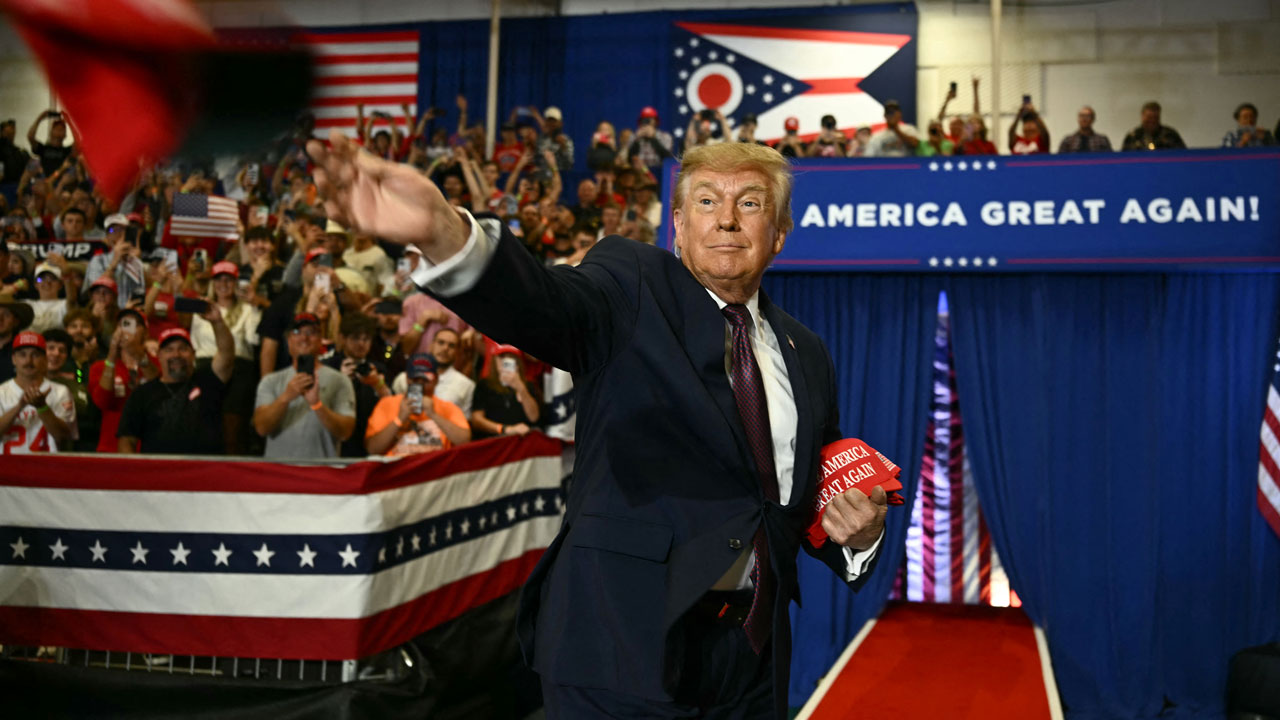
If Republican candidates want to win, they need to get all of those folks that voted for Glenn Youngkin in ’21 or Donald Trump in ’24 to vote in ’26.
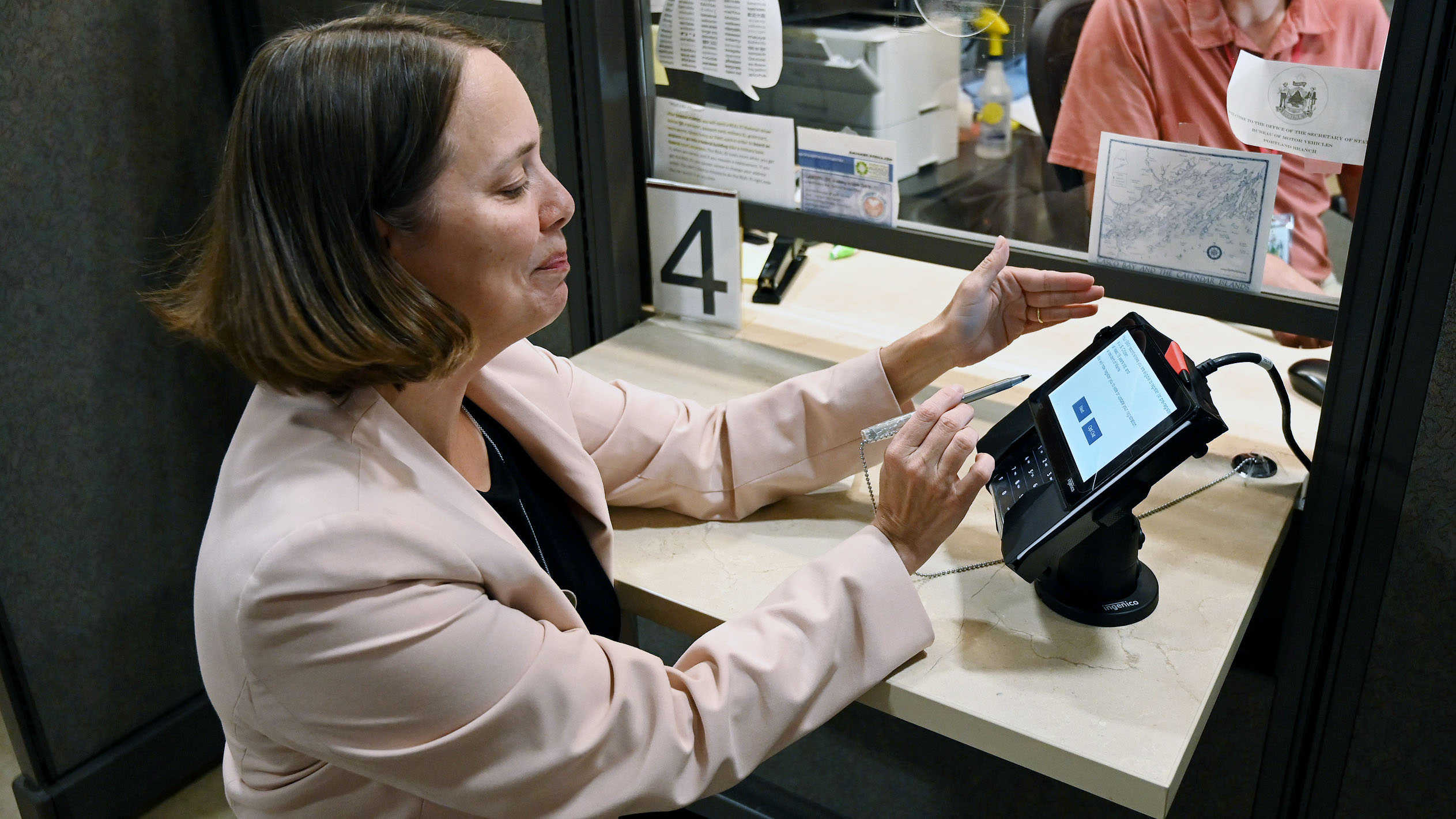
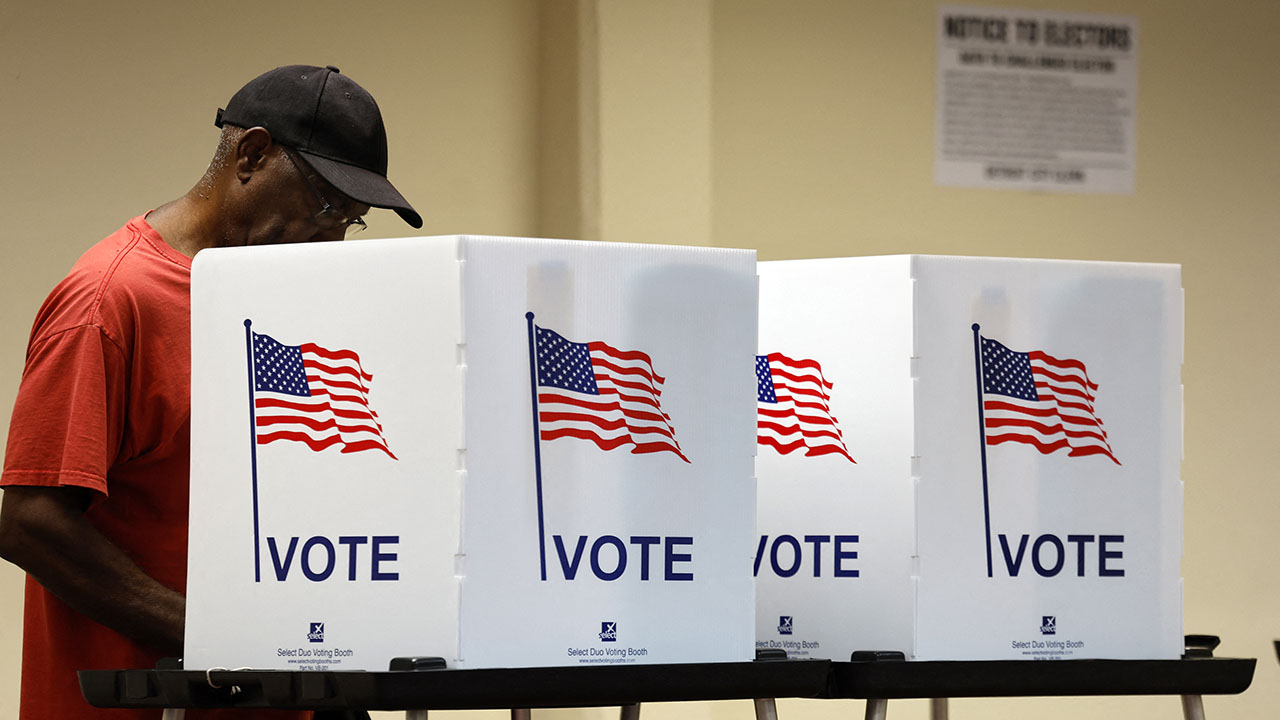
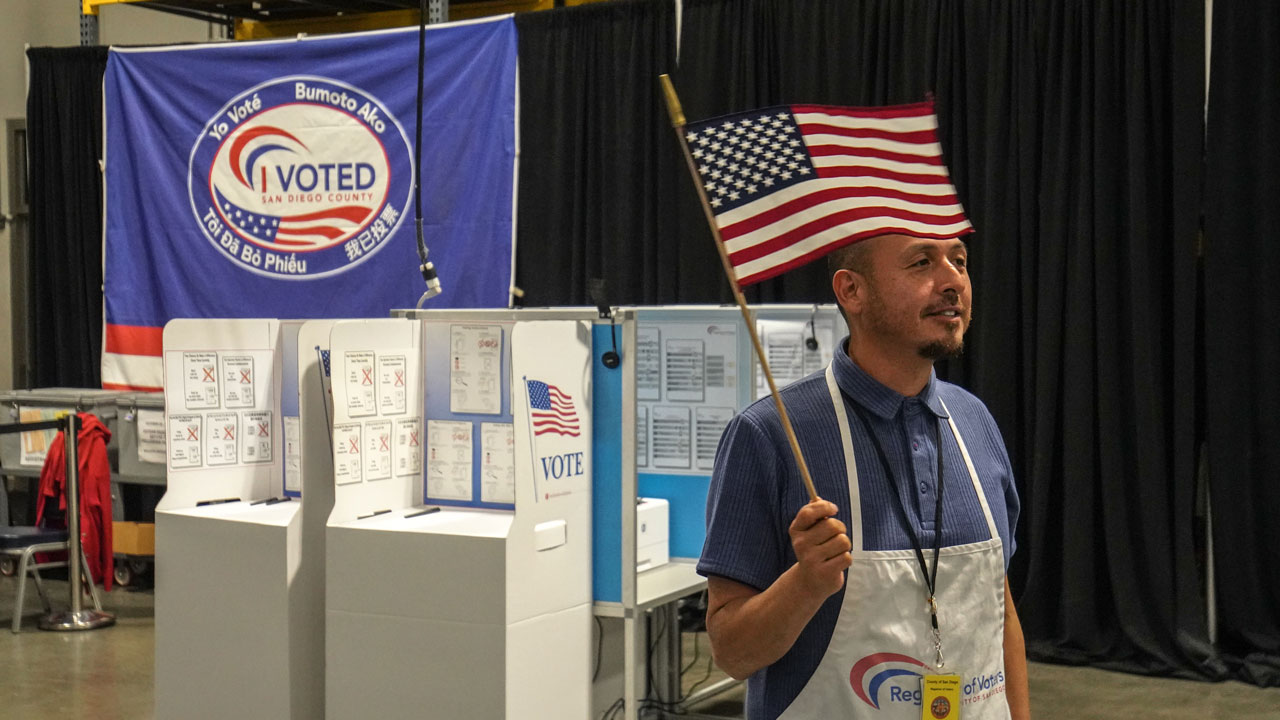
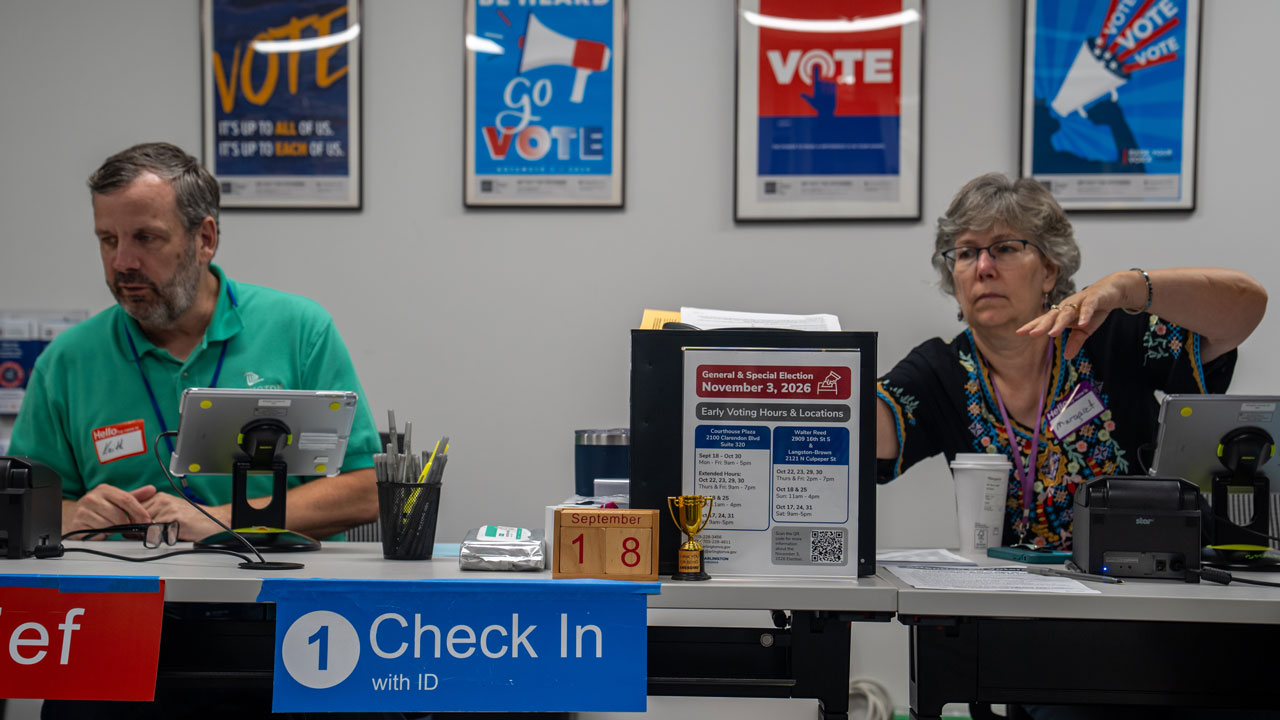
The last day of early voting is Saturday, and then it’s all on Election Day.
We publish a variety of perspectives. Nothing written here is to be construed as representing the views of the Daily Signal.
Continue reading...
[ H/T The Daily Signal ]