




NGOs Warn That Haiti Can't Handle Any More US Deportations
In the past 20 years, the "transitional republic" of Haiti has received approximately $10.5 billion in US aid, but when one examines the state of the country today, it's hard to tell if they received a dime. One problem is that for most of that time US funding has been handled through intermediaries such as UN agencies and NGOs, and accusations of embezzlement abound.
Suspicions also extend to US bureaucracy, including USAID which was accused of facilitating kickbacks special favors while pretending to investigate the fraud. Not to mention the possible "pay to play" pipeline allegedly created by the Clinton Foundation.
How much US taxpayer money did Haiti ultimately receive? It's impossible to say, but it would appear that certain political interests (mostly Democrats and NGOs) use these failing nations as a humanitarian foil so they can steal as much money as possible. The best way to handle the problem would be to cut off such programs completely.
The country of Haiti is not the responsibility of the US.
The same goes for Haitian citizens seeking access to the US economy through refugee status and Temporary Protection Status (TPS). Now that the Trump Administration and the Supreme Court have ended TPS for Haitians (some of these people have been in the US well beyond their intended stay), the question is, where do they go?
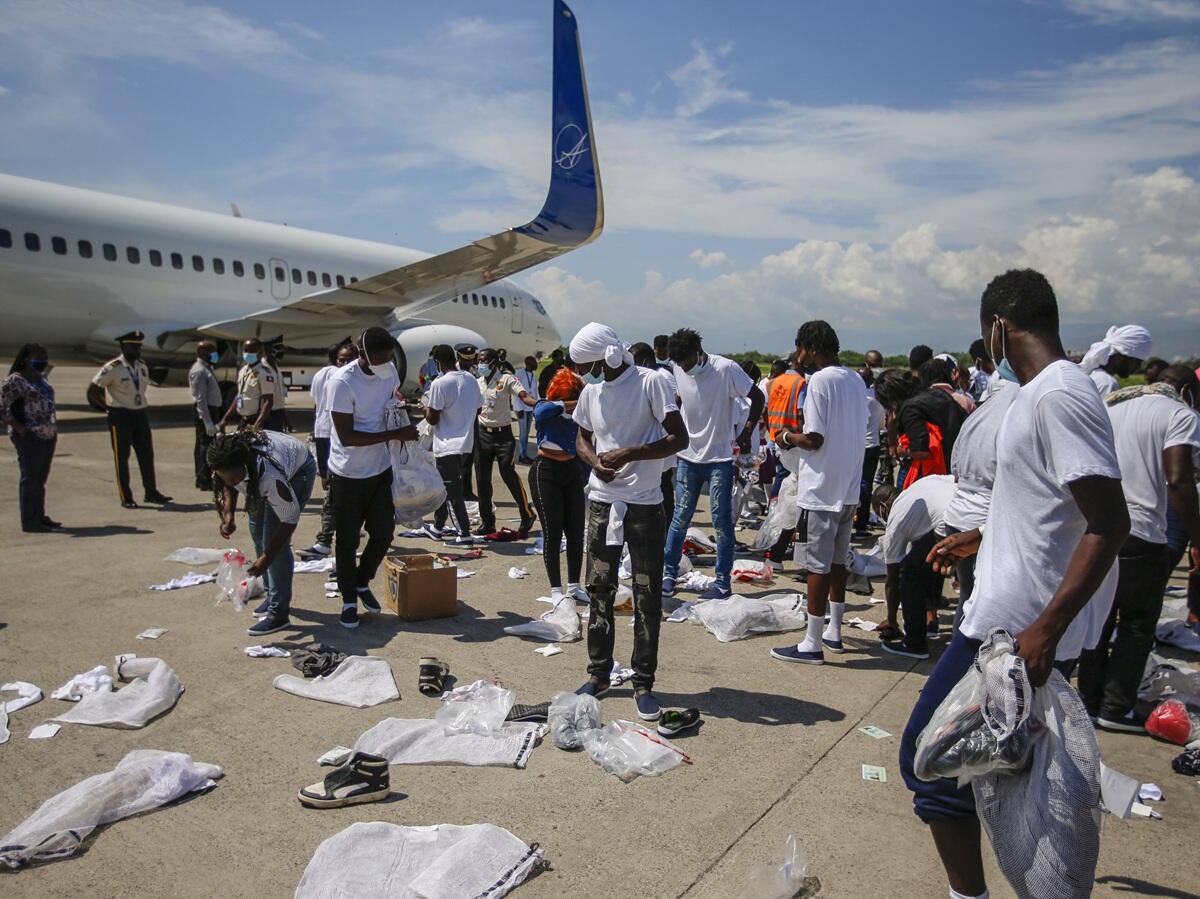
International NGO's and Haitian officials are, of course, complaining that the nation cannot handle the influx of deported arrivals. They are already struggling with the minimal number of people sent to them so far.
Allie Pasieka, an humanitarian aid worker and spokesperson for the International Rescue Committee (IRC), currently based in Port-au-Prince, told EL PAÍS that Haiti lacks the resources to absorb additional returnees.
“Haiti is not in a position to receive these people, whether they come from the United States, the Dominican Republic, Cuba, Chile or Brazil. They are all arriving to a place that cannot support them...”
“Even if they can reach their families, assuming they can move around, they will probably face the same vulnerabilities as those families. It is not a country with sufficient resources to support these people.”
Pasieka also mentioned Haiti's reliance on remittances from migrants in the US wired back to Haiti. The amount of wealth transferred out of the US through migrants to third world countries is stunning. Estimates suggest around $100 billion annually, including around $4 billion per year to Haiti.
“Remittances are a very important part of Haiti’s economy. If those people are suddenly sent back, they may have been supporting a family that can no longer sustain them.”
It's important to understand that access to the US economy is one of the most valuable commodities in the world. Not only to migrants, but also to the NGOs and agencies enabling those migrants. Everyone cashes in, and the US taxpayer generally pays the bill.
Other organizations have chimed in over the past few months to also complain about Haitian deportation, most of them claiming the country cannot handle the flow of returning citizens. Human Rights Watch (HRW) warned in September that US deportations are endangering lives and straining Haitian infrastructure. It should be noted that less than a thousand people had been transferred to Haiti at this point.
The Haitian National Migration Office complained this month that deportation transfers were larger than expected, which was stretching resources set aside for arrivals. In one such case, a plane carried 77 people instead of an expected 47. An extra 30 arrivals might seem like nothing, but for Haitian officials, adaptation is apparently difficult.
The Trump Administration is set to increase deportations to Haiti, up to 200 people per week. The complaints from NGOs and the Haitian government reveal a few underlying truths.
First, if there were money to be made off deportation, then these groups would not be crying. The cash is in immigration, not deportations, so, they encourage immigration.
Second, Haiti is yet another country that exploits their proximity to the US, using America as a steam valve to help alleviate their own failing systems. If they can't even handle 200 people a week, then the government as it stands should not exist and should be replaced.
Third, the culture of suicidal empathy when it comes to mass immigration is dying in the US, and many of these beneficiary nations have no clue how to cope. They have survived by leaching off the American economy for so long, they have forgotten how to be self sufficient. The transformations coming to the status quo are going to be dramatic, but this is what needs to happen if anything is going to change for the better.
Fourth, the argument that third world migrants are a boon for the US economy is debunked by the mere fact that, if these workers are so highly skilled and dedicated, then their governments would be ecstatic to get them back. If that add so much value, why don't they add any value to the economies in their home countries?
Tyler Durden Tue, 10/27/2026 - 14:00
Continue reading...
[ H/T ZeroHedge ]
In the past 20 years, the "transitional republic" of Haiti has received approximately $10.5 billion in US aid, but when one examines the state of the country today, it's hard to tell if they received a dime. One problem is that for most of that time US funding has been handled through intermediaries such as UN agencies and NGOs, and accusations of embezzlement abound.
Suspicions also extend to US bureaucracy, including USAID which was accused of facilitating kickbacks special favors while pretending to investigate the fraud. Not to mention the possible "pay to play" pipeline allegedly created by the Clinton Foundation.
How much US taxpayer money did Haiti ultimately receive? It's impossible to say, but it would appear that certain political interests (mostly Democrats and NGOs) use these failing nations as a humanitarian foil so they can steal as much money as possible. The best way to handle the problem would be to cut off such programs completely.
The country of Haiti is not the responsibility of the US.
The same goes for Haitian citizens seeking access to the US economy through refugee status and Temporary Protection Status (TPS). Now that the Trump Administration and the Supreme Court have ended TPS for Haitians (some of these people have been in the US well beyond their intended stay), the question is, where do they go?
International NGO's and Haitian officials are, of course, complaining that the nation cannot handle the influx of deported arrivals. They are already struggling with the minimal number of people sent to them so far.
Allie Pasieka, an humanitarian aid worker and spokesperson for the International Rescue Committee (IRC), currently based in Port-au-Prince, told EL PAÍS that Haiti lacks the resources to absorb additional returnees.
“Haiti is not in a position to receive these people, whether they come from the United States, the Dominican Republic, Cuba, Chile or Brazil. They are all arriving to a place that cannot support them...”
“Even if they can reach their families, assuming they can move around, they will probably face the same vulnerabilities as those families. It is not a country with sufficient resources to support these people.”
Pasieka also mentioned Haiti's reliance on remittances from migrants in the US wired back to Haiti. The amount of wealth transferred out of the US through migrants to third world countries is stunning. Estimates suggest around $100 billion annually, including around $4 billion per year to Haiti.
“Remittances are a very important part of Haiti’s economy. If those people are suddenly sent back, they may have been supporting a family that can no longer sustain them.”
It's important to understand that access to the US economy is one of the most valuable commodities in the world. Not only to migrants, but also to the NGOs and agencies enabling those migrants. Everyone cashes in, and the US taxpayer generally pays the bill.
Other organizations have chimed in over the past few months to also complain about Haitian deportation, most of them claiming the country cannot handle the flow of returning citizens. Human Rights Watch (HRW) warned in September that US deportations are endangering lives and straining Haitian infrastructure. It should be noted that less than a thousand people had been transferred to Haiti at this point.
The Haitian National Migration Office complained this month that deportation transfers were larger than expected, which was stretching resources set aside for arrivals. In one such case, a plane carried 77 people instead of an expected 47. An extra 30 arrivals might seem like nothing, but for Haitian officials, adaptation is apparently difficult.
The Trump Administration is set to increase deportations to Haiti, up to 200 people per week. The complaints from NGOs and the Haitian government reveal a few underlying truths.
First, if there were money to be made off deportation, then these groups would not be crying. The cash is in immigration, not deportations, so, they encourage immigration.
Second, Haiti is yet another country that exploits their proximity to the US, using America as a steam valve to help alleviate their own failing systems. If they can't even handle 200 people a week, then the government as it stands should not exist and should be replaced.
Third, the culture of suicidal empathy when it comes to mass immigration is dying in the US, and many of these beneficiary nations have no clue how to cope. They have survived by leaching off the American economy for so long, they have forgotten how to be self sufficient. The transformations coming to the status quo are going to be dramatic, but this is what needs to happen if anything is going to change for the better.
Fourth, the argument that third world migrants are a boon for the US economy is debunked by the mere fact that, if these workers are so highly skilled and dedicated, then their governments would be ecstatic to get them back. If that add so much value, why don't they add any value to the economies in their home countries?
Tyler Durden Tue, 10/27/2026 - 14:00
Continue reading...
[ H/T ZeroHedge ]