


A federal judge has delivered one of the harshest punishments yet in Minnesota’s sprawling pandemic-era fraud scandal, sending another central figure to prison for decades over the theft of taxpayer money intended to feed disadvantaged children.
The case is part of the massive Feeding Our Future investigation, which exposed an elaborate operation involving fabricated meal records, fraudulent reimbursement claims and millions of dollars diverted from federal nutrition programs during the COVID-19 pandemic.
The scandal has produced dozens of convictions and intensified scrutiny of Minnesota officials over their handling of repeated warnings about potential fraud. Prosecutors have described the operation as an organized effort to exploit emergency government assistance programs on an extraordinary scale.
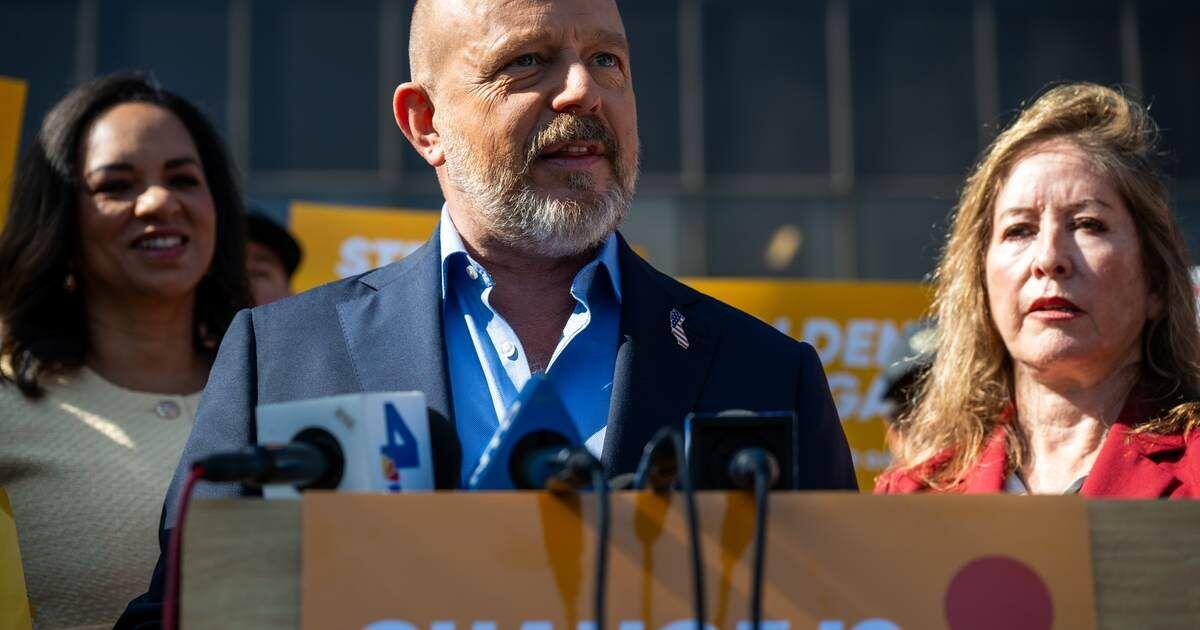
On Wednesday, U.S. District Judge Nancy Brasel sentenced Salim Said, 37, to 30 years in federal prison for his involvement in the $250 million Feeding Our Future scandal. Said, who co-owned Safari Restaurant in Minneapolis, was also ordered to pay more than $44 million in restitution, according to FOX 9.
Said was convicted in 2025 on 21 criminal counts, including wire fraud, bribery and money laundering, after prosecutors demonstrated how he exploited a federal program designed to provide meals to children from low-income families.
According to prosecutors, Said and his associates submitted thousands of fraudulent reimbursement claims over 21 months, collecting government payments for meals that were never served.
At one point, Safari Restaurant claimed to distribute approximately 6,000 meals daily. However, prosecutors said FBI surveillance showed an average of just 40 people arriving each day to collect food.
Authorities also determined that Said helped expand the operation through additional purported food distribution sites across Minnesota, including locations in Willmar, St. Cloud and Mankato. Prosecutors connected Said and his associates to approximately $44 million in fraudulent claims, although that figure includes money obtained through operations involving other participants.
Investigators said proceeds from the scheme funded expensive real estate purchases, luxury vehicles and other personal assets, including a home valued at approximately $1.2 million. Federal prosecutors requested a 40-year prison sentence, arguing that Said played a central organizing role in the operation.
His defense attorneys sought 12 years, disputing the government’s characterization of Said as an architect of the scheme and arguing that Feeding Our Future founder Aimee Bock exercised greater control over the operation. During Wednesday’s hearing, Said expressed remorse after previously denying wrongdoing during his trial.
Judge Brasel acknowledged his difficult upbringing but rejected the argument that his personal circumstances substantially diminished responsibility for his crimes.
“You took more than taxpayer money to enrich yourself,” Brasel told Said, according to Minnesota Public Radio. “You took the reputation of our state down with you.”
The sentencing follows another major punishment in the investigation. Bock, who led the nonprofit organization at the center of the scandal, received a 41-and-a-half-year federal prison sentence earlier this year.
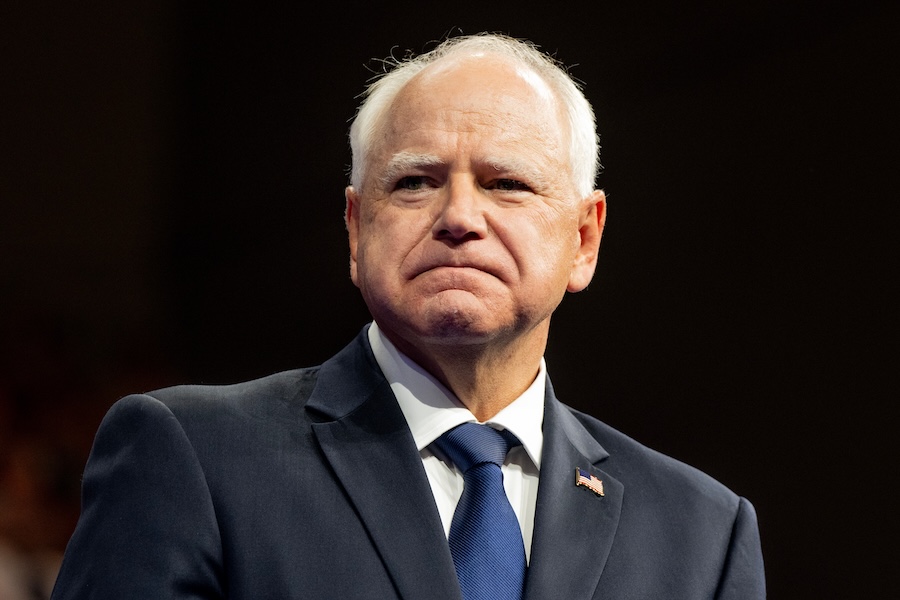
The scandal has also become a significant political liability for Minnesota Democrats, particularly Governor Tim Walz, whose administration faced criticism over its handling of fraud complaints.
State auditors previously determined that the Minnesota Department of Education received numerous complaints concerning Feeding Our Future but failed to provide adequate oversight, at times allowing the organization to investigate concerns about its own operations.
President Donald Trump has repeatedly criticized Walz over the scandal, pointing to the massive financial losses as evidence of failures in state government accountability.
Walz announced in January that he would not seek reelection following sustained political pressure surrounding the fraud investigations.
With Said now sentenced to three decades behind bars, the case marks another major development in an investigation that has exposed serious weaknesses in the oversight of federally funded assistance programs.
Continue reading...
[ H/T Trending Politics ]