




Summary
- Midterm candidates are confronting China through issues voters experience close to home.
- Control of Congress will shape policy on other issues, including trade, chips, Taiwan, and counterintelligence.
- Whoever wins, America must protect its own interests.
In Texas, a super PAC backing Republican U.S. Senate candidate Ken Paxton put $15 million behind a buy that included an ad titled “Chinese Toy,” hitting Democratic candidate James Talarico for voting against the 2025 state law barring buyers tied to China, Russia, Iran, or North Korea from acquiring Texas property.
Talarico answered with ads about Paxton’s China-linked donors.
In Iowa’s open Senate race, Republican Ashley Hinson and Democrat Josh Turek sparred over soybean markets, tariffs, and foreign purchases of farmland near military sites. Even a pork-regulation fight became a China fight, because Smithfield is Chinese-owned.
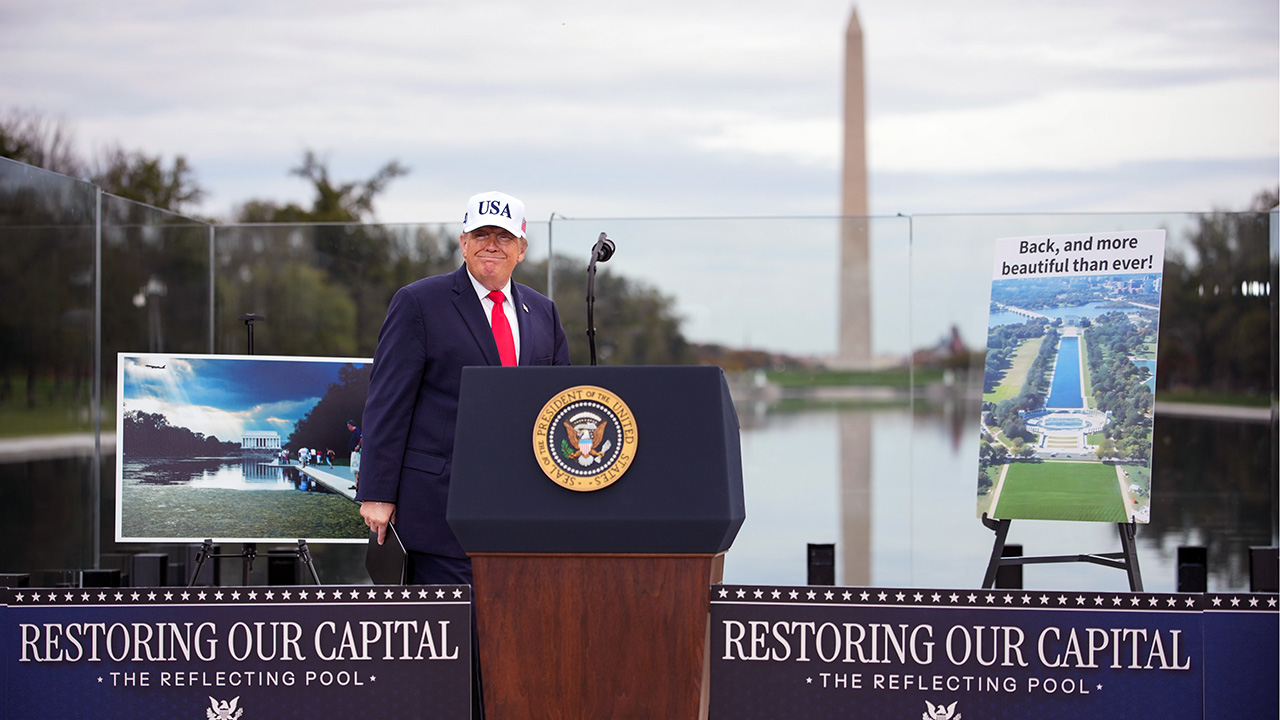
And in Ohio, President Donald Trump made the case for building America’s AI infrastructure here in four words: “They’ll go to China.”
That is how voters are considering China this midterm election season: as it relates to land, crops, factory jobs, and the fentanyl precursors that poison our communities.
Voters feel prices and fentanyl. They don’t feel summits or agreements.
Only 13% of Americans name any foreign or security issue as the nation’s most important problem, while 47% of registered voters say the cost of living will decide their vote.
Voters may not be focused on China policy, but the administration has a coherent strategy for it that the next Congress will have to fund and sustain. The 2026 National Defense Strategy commits to deterring China “through strength, not confrontation,” anchored by a denial defense along the First Island Chain.
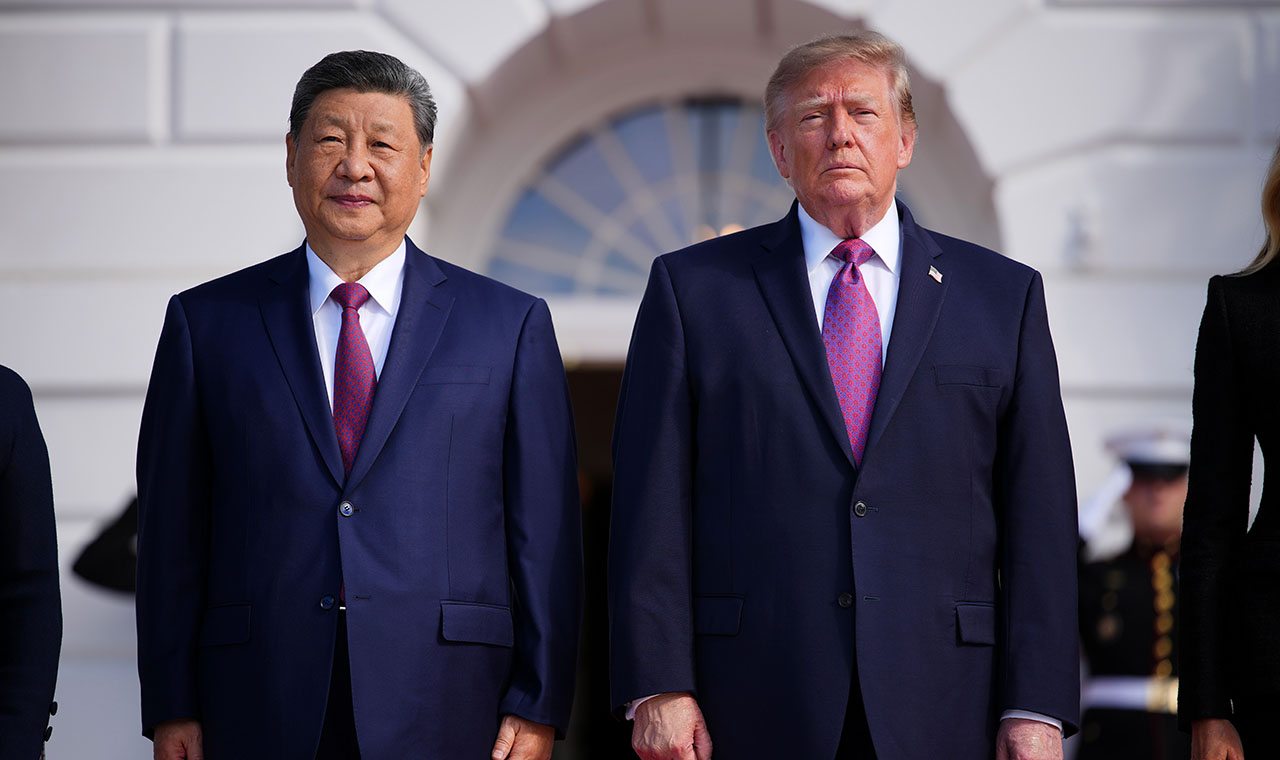
Xi Jinping’s September state visit to Washington produced a trade truce through Jan. 10, delaying threatened tariffs. The Trump administration and the Chinese also agreed to export controls on two fentanyl precursor chemicals, tariff relief on $30 billion in non-sensitive goods each way, and a new channel to discuss artificial intelligence policy.
The two leaders are slated to meet again at APEC in Shenzhen next month and at the G20 in Miami in December. As I’ve said on my podcast, “Nation States with Yates,” the U.S. should treat every summit as a compliance checkpoint and judge Beijing by what it delivers.
After Tuesday’s elections, however, the China file also runs through Congress, and who holds each chamber matters.
Start with the House Select Committee on the Chinese Communist Party. It is not permanent. It exists only by the House rules package, and the current authorization ends with this Congress.
Under Chairman John Moolenaar, R-Mich., it has drawn praise from American manufacturers for helping drive the PAIL Act against trade crime, which passed the House in August, and an industry coalition has already asked both party leaders to reauthorize the Select Committee in the next Congress. More important than legislation may be the attention the committee is able to draw to China’s conduct.
A Republican House would be expected to keep the committee. If Democrat Hakeem Jeffries takes the gavel, he’s in charge, and he hasn’t said what he’ll do. His notional pick for chairman, Ro Khanna, D-Calif., has pointed toward a committee focused on manufacturing, critical minerals, and an AI treaty with Beijing.
There are four policy categories related to China that deserve particular attention in the coming months and years.
Trade: A Republican Congress would leave the Section 301 tools in place behind today’s leverage, including the 12.5% duty on Chinese goods. Senate Democrats’ lead tariff bill would void that duty and refund it with interest.
Chips: Both parties support keeping America’s most advanced integrated circuits away from the People’s Liberation Army. The “AI OVERWATCH Act”—its title sets a new record for Washington’s longest acronym, and it stands for “Artificial Intelligence Oversight of Verified Exports and Restrictions on Weaponizable Advanced Technology to Covered High-Risk Actors Act”—cleared the House Foreign Affairs Committee with bipartisan support. It is one of several chip bills that could ride on the lame-duck defense bill. A Democratic Senate, which controls the Banking and Foreign Relations committees, would likely push Congress further into export licensing.
Taiwan and allies: Support remains bipartisan on Capitol Hill. Senators from both parties have urged notification of the pending $14 billion arms package, and both chambers’ defense bills extend the Pacific Deterrence Initiative and expand security cooperation with Taiwan. The softer ground is public opinion: only 38% of Americans would back sending U.S. troops if China invaded Taiwan, down from 52% in 2021.
Influence and counterintelligence: Here, the gap between Republicans and Democrats is widest. BIOSECURE and new outbound-investment rules became law in last December’s defense bill, and their implementation lands on the next Congress. But some Democrats, including California’s Rep. Judy Chu and Hawaii’s Sen. Mazie Hirono, pressed to strip a revival of the Justice Department’s China Initiative from a spending bill, and it came out. Land-purchase bans like Texas’ were contested on the campaign trail. A Democratic majority is more likely to slow these tools than sharpen them.
The attack ads end Nov. 4, but Beijing’s interests don’t. Whoever wins control of the House and the Senate, the job is the same: Preserve American advanced chips production, keep Taiwan’s porcupine quills sharp, and judge Beijing by receipts.
Continue reading...
[ H/T The Daily Signal ]