





Gov. Hochul Responds To Criticism, Explains Rationale For AI Data Center Moratorium
Authored by Oliver Mantyk via The Epoch Times,
New York Gov. Kathy Hochul had an op-ed published in The Wall Street Journal on July 21 responding to the publication's criticisms of her decision to halt data centers of a certain size from being built in her state.

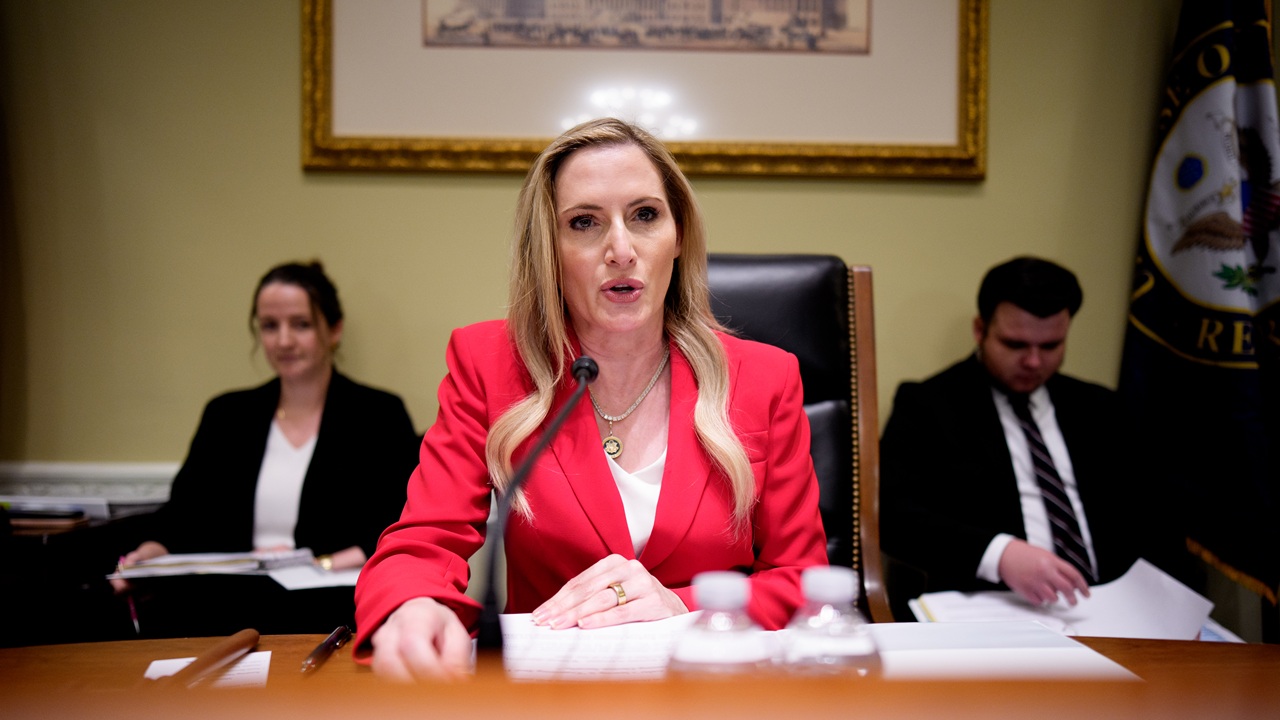
New York Gov. Kathy Hochul in New York City on March 19, 2026. Michael M. Santiago/Getty Images
In her op-ed, Hochul explained her stance on AI data centers and why she believes her decision to prevent the creation of large AI data centers in the state for a year was best for New Yorkers. The moratorium on the facilities is the first of its kind in the nation.
She was countering a July 14 WSJ editorial titled "New York's Data Center Self-Sabotage" published on the same day that Hochul signed her executive order for a statewide moratorium on large data centers, with the newspaper's editorial board calling her move "an act of monumental self-sabotage."
The editorial board said the moratorium on the centers was a popularity move more than a pragmatic one, and that the centers helped local areas with tax money. They also said that the issues of data centers taking up utilities like electricity are overstated.
The publication expressed suspicion of the one-year moratorium, comparing it to the 2008 one-year moratorium on fracking in the state, which was extended until fracking was entirely banned years later.
Hochul opened her July 21 op-ed response by saying the WSJ editorial had gotten New York's decision and rationale for the AI data center moratorium wrong.
She said the one-year pause on hyperscale AI data centers that use 50 megawatts or more is a responsible move, allowing for the establishment of rules for an industry that will hold much influence in the future.
According to Synergy Research Group, these large-scale data centers are the minority of operational centers, but are becoming more common, with hyperscale data centers doubling between 2019 and 2024.
AI data centers are different from regular data centers, which handle running software, web pages, and storing files. AI centers require different computer components focused on AI operations and require more energy and cooling.
Hochul made clear that the existing facilities will still operate, smaller projects will move forward, and the pause will end when rules to protect New Yorkers are in place.
"What we're pausing isn't innovation. It's the rush to build first and answer questions later," she wrote.
She said that New York doesn't need to pick between leading the future in AI and protecting its citizens and communities, and that regulating AI won't hand over technological victory to China.
"America's competitive advantage has never been the absence of rules. It has been our ability to attract the world's best talent, develop breakthrough technologies and earn public confidence in them," she wrote.
Hochul cited her Empire AI initiative as an example of New York's effort in advancing AI technologies.
The governor said that the expansion of data centers should come at the benefit of residents, not the detriment.
"Success means communities reap economic benefits, ratepayers don't foot the bill for massive new energy demand and infrastructure keeps pace with unprecedented growth," she wrote.
Tyler Durden Thu, 07/23/2026 - 13:50
Continue reading...
[ H/T ZeroHedge ]
Authored by Oliver Mantyk via The Epoch Times,
New York Gov. Kathy Hochul had an op-ed published in The Wall Street Journal on July 21 responding to the publication's criticisms of her decision to halt data centers of a certain size from being built in her state.

New York Gov. Kathy Hochul in New York City on March 19, 2026. Michael M. Santiago/Getty Images
In her op-ed, Hochul explained her stance on AI data centers and why she believes her decision to prevent the creation of large AI data centers in the state for a year was best for New Yorkers. The moratorium on the facilities is the first of its kind in the nation.
She was countering a July 14 WSJ editorial titled "New York's Data Center Self-Sabotage" published on the same day that Hochul signed her executive order for a statewide moratorium on large data centers, with the newspaper's editorial board calling her move "an act of monumental self-sabotage."
The editorial board said the moratorium on the centers was a popularity move more than a pragmatic one, and that the centers helped local areas with tax money. They also said that the issues of data centers taking up utilities like electricity are overstated.
The publication expressed suspicion of the one-year moratorium, comparing it to the 2008 one-year moratorium on fracking in the state, which was extended until fracking was entirely banned years later.
Hochul opened her July 21 op-ed response by saying the WSJ editorial had gotten New York's decision and rationale for the AI data center moratorium wrong.
She said the one-year pause on hyperscale AI data centers that use 50 megawatts or more is a responsible move, allowing for the establishment of rules for an industry that will hold much influence in the future.
According to Synergy Research Group, these large-scale data centers are the minority of operational centers, but are becoming more common, with hyperscale data centers doubling between 2019 and 2024.
AI data centers are different from regular data centers, which handle running software, web pages, and storing files. AI centers require different computer components focused on AI operations and require more energy and cooling.
Hochul made clear that the existing facilities will still operate, smaller projects will move forward, and the pause will end when rules to protect New Yorkers are in place.
"What we're pausing isn't innovation. It's the rush to build first and answer questions later," she wrote.
She said that New York doesn't need to pick between leading the future in AI and protecting its citizens and communities, and that regulating AI won't hand over technological victory to China.
"America's competitive advantage has never been the absence of rules. It has been our ability to attract the world's best talent, develop breakthrough technologies and earn public confidence in them," she wrote.
Hochul cited her Empire AI initiative as an example of New York's effort in advancing AI technologies.
The governor said that the expansion of data centers should come at the benefit of residents, not the detriment.
"Success means communities reap economic benefits, ratepayers don't foot the bill for massive new energy demand and infrastructure keeps pace with unprecedented growth," she wrote.
Tyler Durden Thu, 07/23/2026 - 13:50
Continue reading...
[ H/T ZeroHedge ]