Canada and the European Union have set aside the term “associate member” in the draft joint declaration for their summit in Montreal, according to reports from multiple outlets citing the latest version of the text. The two-day meeting, hosted by Canadian Prime Minister Mark Carney, is set to begin on October 29.
The revised language instead commits the sides to an “ever closer association” between Canada and the EU, short of full membership, with work to define the concept continuing until the 2027 EU-Canada summit.
European Commission President Ursula von der Leyen first raised the idea of associate membership on September 16, during her State of the European Union address to the European Parliament in Strasbourg. “I would like to work with you on opening the door for Canada to be the first associate member of the EU,” she said while addressing Carney, who was present.
She further described the move as part of efforts to “urgently reimagine our partnerships” and bring the relationship “to the highest level possible.” The status has no existing legal basis in the EU treaties, which limit formal membership applications to European states. No precedent exists for the category.
POLL: Should Migrants Who Murder Americans Face The Death Penalty?
The term “associate member” quickly proved divisive among EU member states. Germany led objections, with France, Italy, and Greece among those raising concerns during negotiations on the summit declaration. Diplomats indicated that capitals were unwilling to endorse a concept lacking legal status or a detailed definition.
An earlier draft had included references to Canada as an “associate member,” including a note that defining the term would take another year. That language was removed, with the current draft reportedly reading, “We will create an even closer association between Canada and the EU… and work to define by the 2027 EU-Canada Summit the concept of an ever closer association of Canada to the EU, short of full membership itself.”
Officials described the change as a compromise that leaves the substance of planned cooperation intact. The declaration requires final approval by EU countries.
The proposal emerged against the backdrop of Canada’s existing Comprehensive Economic and Trade Agreement with the EU and cooperation in defence, research, and other areas. Possible areas of further alignment discussed in connection with the idea have included defense industrial capacity, security and increased economic cooperation.
EU officials have said the intended relationship would be closer than prior arrangements with non-members, though Canada would not gain voting rights in EU institutions.
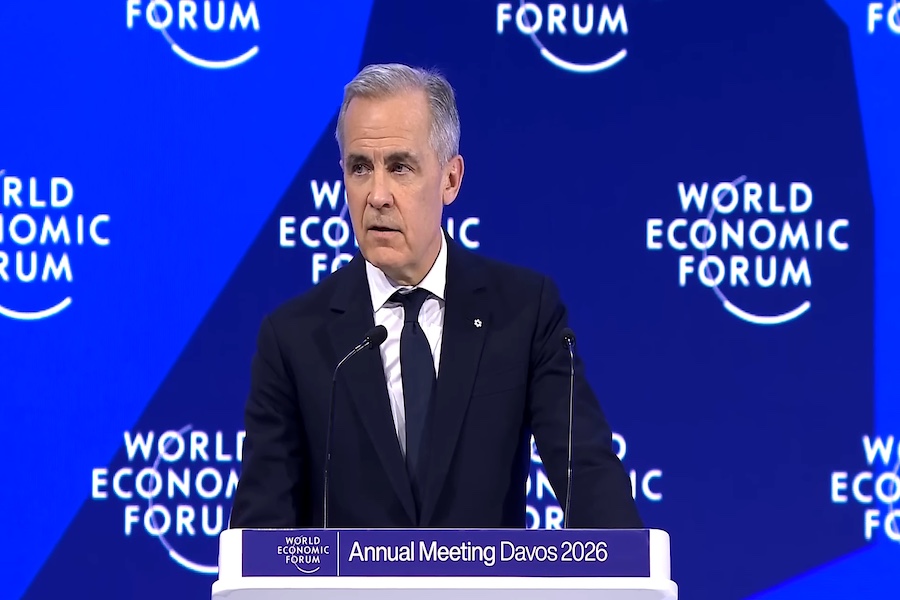
Carney welcomed the underlying ambition the day after von der Leyen’s speech. While speaking to the European Parliament, Carney stated that Canada and Europe were “stronger together” and should “secure our strategic autonomy through deep cooperation in the full range of strategic capabilities, including critical minerals.”
He further stated that Canada was “not in a position, nor seeking, to become a full member of the European Union,” and described the idea as a “different framework” focused on resilience rather than forming a third bloc
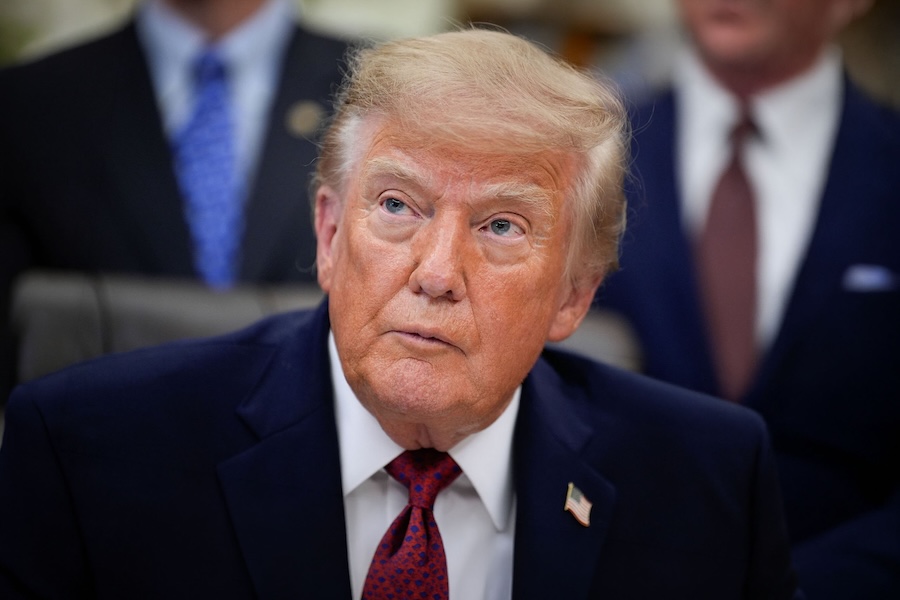
Deeper ties with Europe form part of Carney’s approach to reducing Canada’s economic and security dependence on the United States following U.S. tariffs on Canadian goods. U.S. President Donald Trump previously called the associate-membership proposal “laughable” and said that if he viewed it as a “hostile act,” the United States might impose tariffs or stop trading with Europe on many things.
RELATED: Iconic Beer Brand To Shift Production From Canada To U.S.
Continue reading...
[ H/T Trending Politics ]