
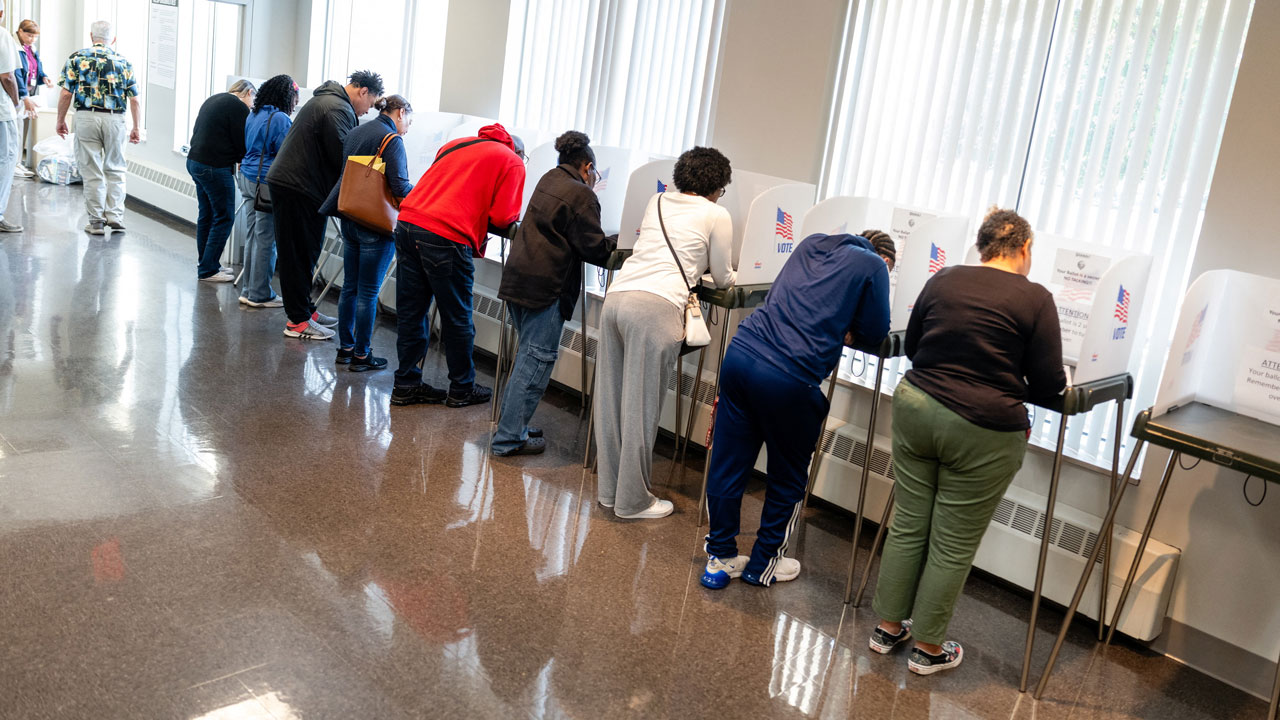

Election integrity will be on the ballot in the 2026 midterm elections. Voters will decide not only who controls Congress, but whether the election integrity reforms advanced by the Trump administration and the House of Representatives will continue.
Because elections determine who governs, ensuring that only eligible citizens participate is fundamental to preserving self-government and the right to vote—one of the most important privileges of American citizenship.
The central question is straightforward: Will a majority of voters decide that we need laws that require election officials to verify voter eligibility, maintain accurate registration lists, and enforce the laws reserving federal elections for American citizens? Or will the country return to a system that too often relies on self-attestation and responds only after an unlawful ballot has been cast—if it responds at all?
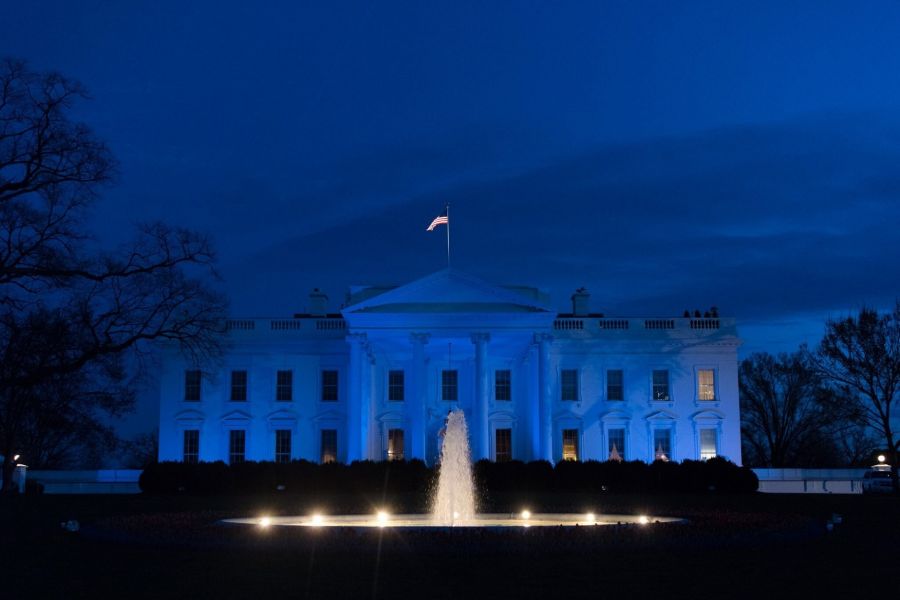
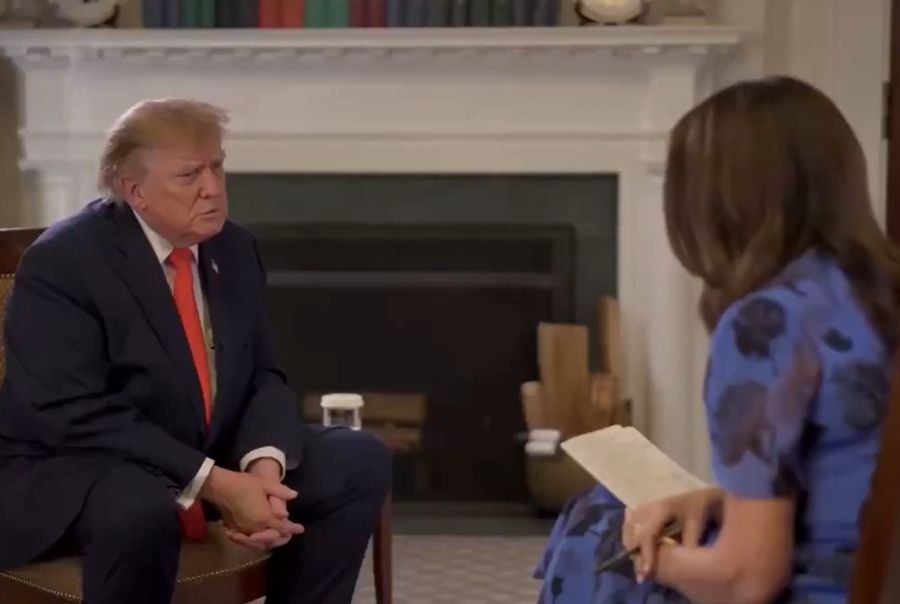
The Trump administration has moved the idea of election integrity from an afterthought to a federal priority. Executive Orders 14248 and 14399 directed federal agencies to improve citizenship verification, share relevant information with state election officials, and enforce federal laws prohibiting noncitizen registration and voting.
To support that work, the administration expanded election-related access to the Department of Homeland Security’s SAVE program, eliminated user fees, and enabled bulk inquiries, allowing states to compare voter-registration records with federal immigration and citizenship information.
Since late 2025, the SAVE program has provided states with an unprecedented ability to verify citizenship and identify potential noncitizens on voter-registration rolls. States have submitted millions of records for verification and uncovered thousands of registrations of ineligible voters, demonstrating that access to federal citizenship and death-record data can be an invaluable tool for maintaining accurate voter rolls and ensuring that only eligible citizens participate in American elections.
The Department of Justice has supplied the enforcement component. Since October, DOJ has announced election-related charges against at least 60 noncitizens across the country, with cases in Florida, Louisiana, Wisconsin, North Carolina, New York, Idaho, and California. In the final week before the election, DOJ announced charges against another 48 noncitizens in connection with alleged election crimes. The allegations include illegal voting, fraudulent voter registration, false claims of U.S. citizenship, and related election offenses.
These cases demonstrate that noncitizen voting is not merely a theoretical concern. They also expose the limits of relying on enforcement after an unlawful ballot has been cast and irretrievably mixed with lawful votes.
Criminal prosecution remains necessary, but accurate voter rolls, reliable citizenship data, and timely eligibility reviews can identify problems earlier and help prevent ineligible ballots from being cast in the first place.
The House of Representatives has made election integrity a legislative priority. It passed the SAVE America Act, which would require documentary proof of citizenship for voter registration and voter identification for federal elections. House lawmakers have also emphasized stronger voter-roll maintenance, improved election audits, and greater accountability in ballot administration.
Together, these reforms pursue a simple objective: ensuring that every eligible citizen can vote, every lawful ballot is counted, and every election is conducted in a manner that earns the confidence of the American people.
These reforms do not make voting harder for eligible American citizens; they aim to make election administration more accurate, transparent, and trustworthy. Voter lists constantly change as citizens move, die, become eligible, or otherwise change status, which is why every state conducts (or should conduct) routine list maintenance using state and federal information. The combination of citizenship verification, easy access to federal citizenship data, enforcement, voter identification, audits, and list maintenance represents a broad federal effort to strengthen election integrity.
Public confidence in elections depends on widespread agreement that the rules are followed and that only eligible voters participate. Requiring photo identification to vote and proof of citizenship to register are supported by 84% and 83% of Americans, respectively.
In November 2026, voters will determine whether Congress completes the work of requiring citizenship verification and strengthening voter-list maintenance, or whether those reforms remain vulnerable to reversal, litigation, and judicial resistance. The congressional outcome will therefore shape not only election policy, but public confidence in how elections are administered.
Americans should not have to choose between access and integrity; a competent election system must provide both. Every eligible citizen should be able to register and vote, every lawful ballot should be counted, and election officials should have the tools needed to verify each voter and ballot.
In 2026, voters will decide whether that standard becomes a durable national commitment or remains vulnerable to reversal. With control of Congress at stake, the future integrity of America’s elections is on the ballot.
Continue reading...
[ H/T The Daily Signal ]