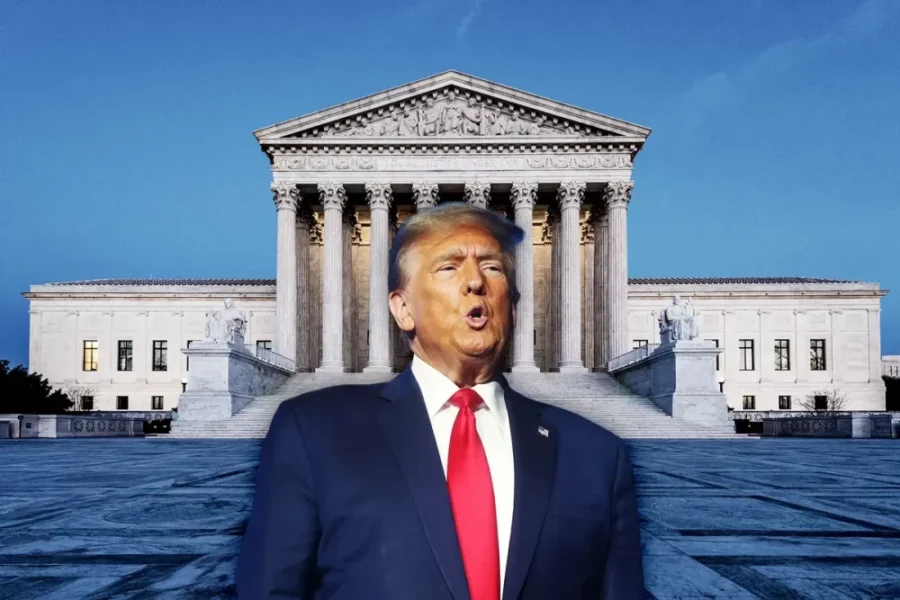




President Donald Trump is considering a sweeping wave of pardons for White House employees and administration officials if Democrats win control of Congress in Tuesday’s midterm elections, potentially shielding his staff from politically motivated federal prosecutions.
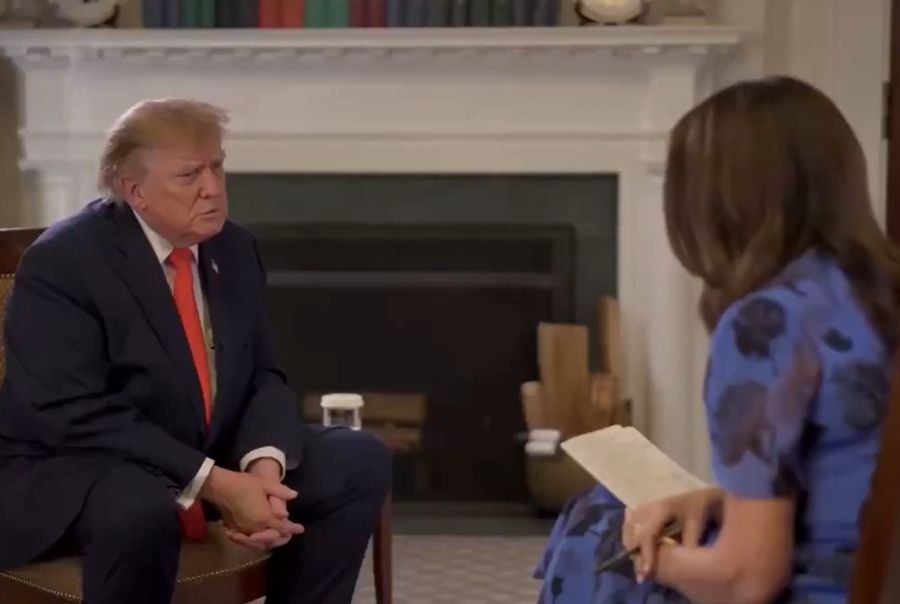
The president revealed the possibility during an interview with New York Post columnist Miranda Devine, making clear that his willingness to protect administration officials could extend all the way down to junior staffers.
‘I would if I needed to. Sure,’ Trump said when asked about issuing the pardons.
The president pointed to his decision to grant clemency to roughly 1,500 people connected to the Jan. 6, 2021, Capitol riot on the first day of his second term.
‘I did it for J6,’ Trump said.
The extraordinary possibility comes as Democrats openly discuss launching investigations into Trump’s administration if they capture either chamber of Congress.
Democratic lawmakers have already identified several potential targets, including the president’s family, immigration enforcement operations, the Jeffrey Epstein files and corporations that have conducted business with the administration.
Some Democrats are also pushing for investigations into employees associated with the Department of Government Efficiency, which helped carry out the administration’s efforts to reduce federal spending and eliminate government waste.
The prospect has raised concerns among administration officials who could face expensive legal battles if Democrats regain congressional investigative powers.
Sen. Elissa Slotkin, D-Mich., suggested last month that Democrats should pursue ‘signature cases’ involving officials who implemented Trump’s policies.
For Trump and his allies, such threats underscore the possibility that Democrats could use congressional investigations and criminal referrals to target the people responsible for carrying out the president’s agenda.
POLL: Will You Support Trump And His Candidates In The Midterms?
Former Labor Secretary Robert Reich has also advocated laying the groundwork for nationalizing SpaceX, the aerospace company founded by Elon Musk.
But Trump’s potential pardon strategy would come with significant legal limitations.
Presidential pardons can protect individuals from federal criminal liability for covered offenses committed before the pardon is issued. They cannot prevent congressional investigations, block subpoenas or shield individuals from prosecution under state law.
Nor would pardons eliminate potential civil liability or prevent Congress from pursuing impeachment proceedings against eligible federal officials.
The distinction is particularly important because a Democratic-controlled House or Senate could subpoena administration employees, obtain records and demand testimony about their work.
Even officials who receive presidential pardons could still be required to testify before Congress.
In certain circumstances, a pardon could eliminate a witness’s ability to invoke the Fifth Amendment against self-incrimination for covered federal offenses, potentially making it easier for investigators to compel answers.
RELATED: JUST IN: Trump Makes Urgent Plea To SCOTUS On Election Eve
Any false testimony delivered afterward could also create new criminal exposure that a previously issued pardon would not cover.
The administration is reportedly preparing for the possibility of a Democratic investigative blitz.
According to the Daily Mail, the White House counsel’s office has expanded its legal staff, while outside attorneys have offered assistance.
Some junior administration officials have reportedly begun purchasing legal insurance to protect themselves against potential attorney fees that could reach millions of dollars.
Trump has also reportedly set aside millions from his MAGA Inc. super PAC to help cover legal expenses.
The president is expected to invoke executive privilege to protect certain communications involving himself, potentially setting up lengthy legal disputes with congressional investigators.
Democrats would face another obstacle if they attempted to pursue criminal contempt referrals against administration officials who refused to cooperate with subpoenas.
RELATED: Military Contractor Arrested In Connection With Classified Information Leak
Such referrals generally require action from the Justice Department, which remains under Trump’s executive branch.
The Supreme Court‘s presidential immunity ruling also adds another layer to the legal landscape.
While the ruling established substantial criminal immunity protections for presidents concerning official conduct, it did not automatically extend those protections to every administration employee.
That distinction could leave White House aides and other officials facing legal scrutiny over actions taken while implementing presidential directives.
Trump’s willingness to consider broad pardons signals that he is prepared to take extraordinary steps if Democrats attempt to pursue his administration through federal criminal investigations.
However, the president has not announced any pardons for his current staff, and his comments were conditional on whether he believes such action becomes necessary.
Asked whether Democrats might also target him personally, Donald Trump said he did not know.
The president dismissed unfavorable polling, pointed to the size of his campaign crowds and suggested the election results would provide the clearest answer about the country’s political direction.
With Republicans fighting to maintain control of Congress, Tuesday’s elections could determine whether Trump spends the remainder of his term advancing his agenda with congressional allies or defending his administration against aggressive Democratic oversight.
POLL: Is JD Vance A Better Vice President Than Mike Pence?
Continue reading...
[ H/T Trending Politics ]