

Guest Post by Kit Knightly

This week, the “great” and the “good” have boarded their private jets and converged on Antalya, Turkey for COP31 – the 31st meeting of the Conference of the Parties (COP) to the UN Framework Convention on Climate Change (UNFCCC).
The aim of this particular COP?
Climate Change is being re-branded – it’s no longer about the environment, it’s about “public health”.
This is something I first predicted years ago – several times, actually – but now it’s official.
UN and “health leaders” have declared…
The World Health Organisation’s statement on COP31 reads [emphasis added]:
Monday, the opening day of the summit, was “COP31 Health Day”, and featured special panels focusing on vaguely unsettling topics like “Strong Climate Action and Digital Health” and “New Dimensions in Health: Climate-Sensitive Health Technologies and Access”.
It’s a done deal. Climate Change is now a major public health threat – of “pandemic scale”.
In their coverage, The Independent calls this a “new effort to frame climate actions around health”:
But it’s NOT new, we predicted this years ago:
The WHO Director General was saying it back in 2023:
At the same time, British Medical Journal editorials were headlining:
It is anything but new, it’s actually been a long time coming.
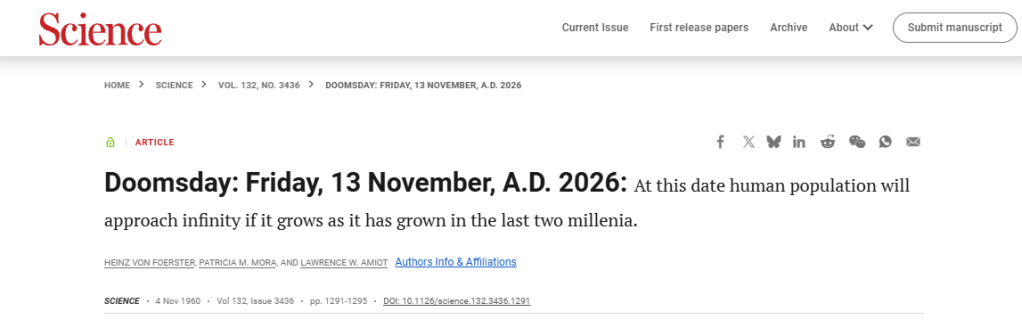
The writing was on the wall the moment “climate change” was being used as a diagnosis [November 2021], or when “climate lockdowns” were first floated [September 2020].
All through the Covid “pandemic” – especially in the earliest days – there were attempts to lash Covid and climate together.
I described them back in 2022:
But why?
That’s a question with a many-layered answer.
Firstly, there’s weaponing fear. People were more primordially afraid of Covid after two months of propaganda than they ever were of climate change after two decades.
Why? Because it was a direct, immediate threat to the self, not a broad warning about something that might happen generations down the line.
Frankly, they’re losing the argument on climate change, and have been for years, and every doomsaying prediction that doesn’t come to pass pushes more people into apathy.
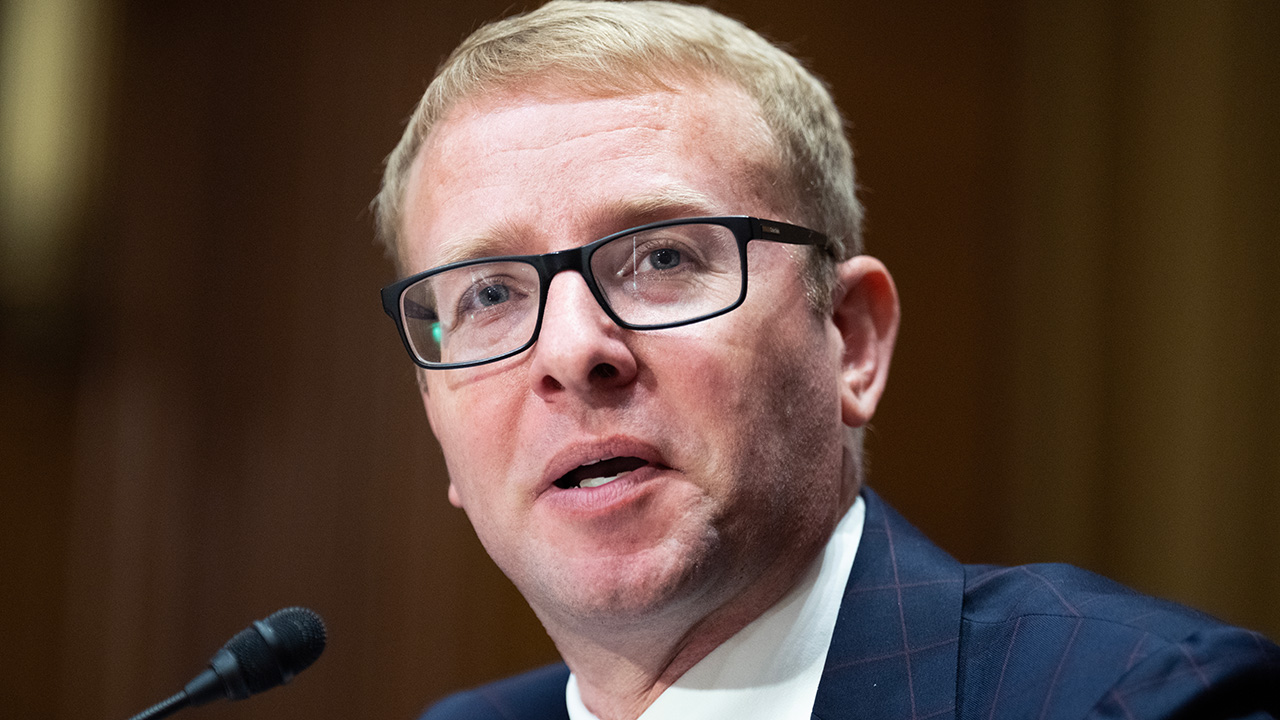
They need to change the conversation, something Dr Alan Dangour, director of climate and health at philanthropic organisation the Wellcome Trust, was refreshingly honest about in his conversation with the Independent:
That’s not exactly saying “we’re trying out a new propaganda angle to scare people more”…but it’s as close as the type of person who works for the Wellcome Trust is going to get.
Secondly, there’s a whole new world of propaganda, regulations, legislations and “emergency powers” opened up. This is the natural knock on effect of shifting the climate change dynamic from something that is going to be a threat in the future into something that is a threat now.
There is power that can be grasped now, not accumulated down the line.
Covid has set the precedent for the kind of new laws people will accept in the name “staying safe”, and once climate change is a public health emergency it can take advantage of that precedent.
This means climate lockdowns – which they have not forgotten, and will bring back, even if they end up calling them something else. It means daily updates on air quality, or temperature warnings, accompanying guidance that driving today will incur an extra “air quality maintenance” charge or things like that.
Third, there’s also more money. There are billions put aside every year for “public health” investments, and now climate change projects will be able to apply for those grants alongside the massive environmental grants they already hoover up.
It won’t stop at public health either – next will be national security.
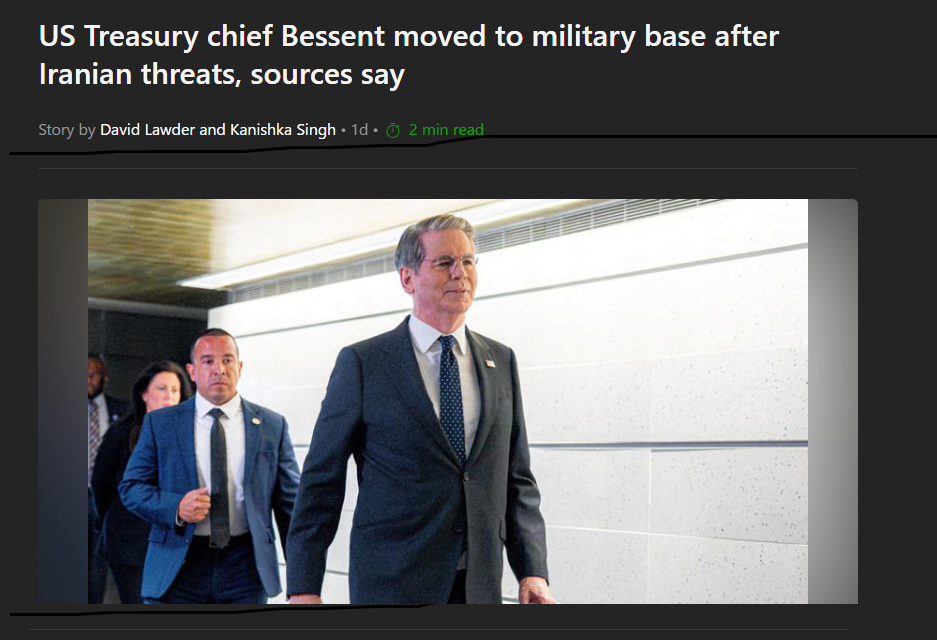
Addressing the COP summit earlier today, UK Prime Minister Andy Burnham declared climate change a “national security emergency”:
Again, OffG predicted this, and the “why” of it is easy to see:
“Climate Change” is an all-purpose narrative. It can be an environmental issue. It can be a public health issue. It can be a national security issue.
It is the everything problem. It means whatever you want it to mean, whenever you want it to mean it.
And it will be one of the fundamental organizing principles of a “Great Reset” new world order.
Continue reading...
[ H/T The Burning Platform ]
This week, the “great” and the “good” have boarded their private jets and converged on Antalya, Turkey for COP31 – the 31st meeting of the Conference of the Parties (COP) to the UN Framework Convention on Climate Change (UNFCCC).
The aim of this particular COP?
Climate Change is being re-branded – it’s no longer about the environment, it’s about “public health”.
This is something I first predicted years ago – several times, actually – but now it’s official.
UN and “health leaders” have declared…
The World Health Organisation’s statement on COP31 reads [emphasis added]:
Monday, the opening day of the summit, was “COP31 Health Day”, and featured special panels focusing on vaguely unsettling topics like “Strong Climate Action and Digital Health” and “New Dimensions in Health: Climate-Sensitive Health Technologies and Access”.
It’s a done deal. Climate Change is now a major public health threat – of “pandemic scale”.
In their coverage, The Independent calls this a “new effort to frame climate actions around health”:
But it’s NOT new, we predicted this years ago:
The WHO Director General was saying it back in 2023:
At the same time, British Medical Journal editorials were headlining:
It is anything but new, it’s actually been a long time coming.
The writing was on the wall the moment “climate change” was being used as a diagnosis [November 2021], or when “climate lockdowns” were first floated [September 2020].
All through the Covid “pandemic” – especially in the earliest days – there were attempts to lash Covid and climate together.
I described them back in 2022:
But why?
That’s a question with a many-layered answer.
Firstly, there’s weaponing fear. People were more primordially afraid of Covid after two months of propaganda than they ever were of climate change after two decades.
Why? Because it was a direct, immediate threat to the self, not a broad warning about something that might happen generations down the line.
Frankly, they’re losing the argument on climate change, and have been for years, and every doomsaying prediction that doesn’t come to pass pushes more people into apathy.
They need to change the conversation, something Dr Alan Dangour, director of climate and health at philanthropic organisation the Wellcome Trust, was refreshingly honest about in his conversation with the Independent:
That’s not exactly saying “we’re trying out a new propaganda angle to scare people more”…but it’s as close as the type of person who works for the Wellcome Trust is going to get.
Secondly, there’s a whole new world of propaganda, regulations, legislations and “emergency powers” opened up. This is the natural knock on effect of shifting the climate change dynamic from something that is going to be a threat in the future into something that is a threat now.
There is power that can be grasped now, not accumulated down the line.
Covid has set the precedent for the kind of new laws people will accept in the name “staying safe”, and once climate change is a public health emergency it can take advantage of that precedent.
This means climate lockdowns – which they have not forgotten, and will bring back, even if they end up calling them something else. It means daily updates on air quality, or temperature warnings, accompanying guidance that driving today will incur an extra “air quality maintenance” charge or things like that.
Third, there’s also more money. There are billions put aside every year for “public health” investments, and now climate change projects will be able to apply for those grants alongside the massive environmental grants they already hoover up.
It won’t stop at public health either – next will be national security.
Addressing the COP summit earlier today, UK Prime Minister Andy Burnham declared climate change a “national security emergency”:
Again, OffG predicted this, and the “why” of it is easy to see:
“Climate Change” is an all-purpose narrative. It can be an environmental issue. It can be a public health issue. It can be a national security issue.
It is the everything problem. It means whatever you want it to mean, whenever you want it to mean it.
And it will be one of the fundamental organizing principles of a “Great Reset” new world order.
This year’s COP has also brought a lot of talk about “air quality”, but we’ll talk about that next time.
TweetContinue reading...
[ H/T The Burning Platform ]