





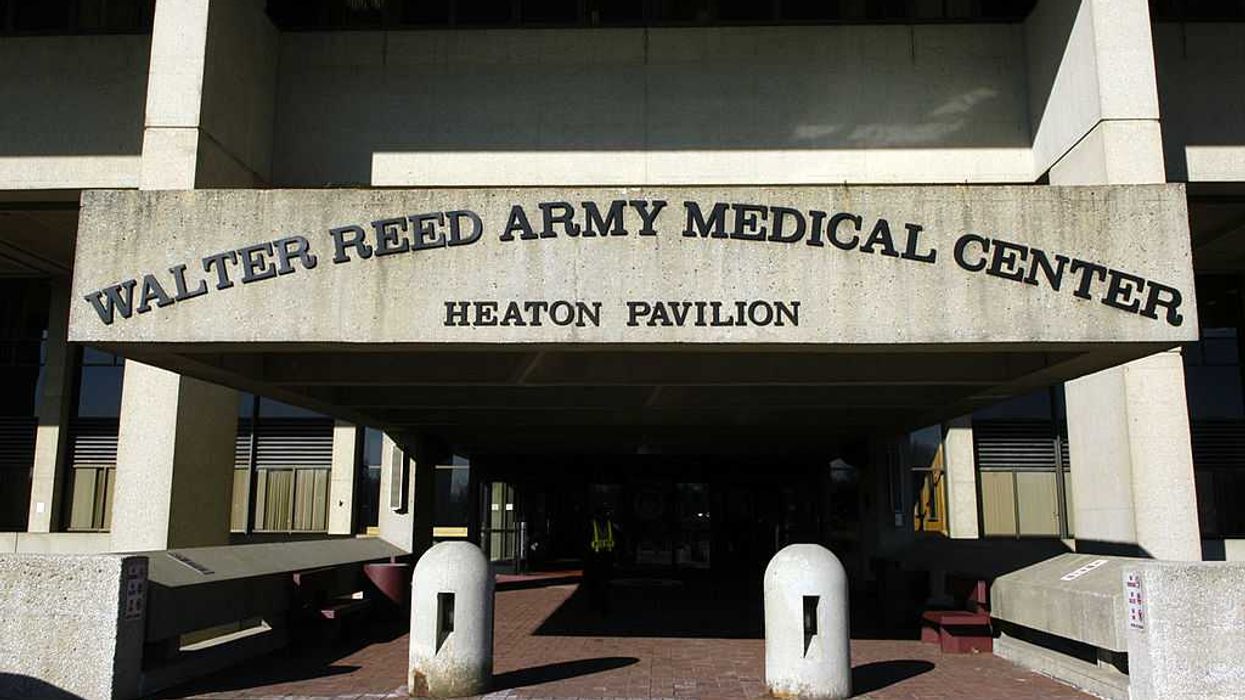
When the Walter Reed scandal erupted in 2007, the officers under fire were more than names in a newspaper to me. I knew many of them. I saw their frustration and outrage as they scrambled to address failures some were only then discovering.
My wife, Gracie, and I were at Walter Reed frequently. A bilateral amputee herself, she had been invited to sing and spend time with wounded warriors, particularly women returning from Iraq and Afghanistan with amputations. The military was struggling to care for troops with devastating injuries, many caused by improvised explosive devices.
We cannot turn the page simply because the people responsible do not want us to read it.
Knowing people working there helped me understand the strain. Knowing more wounded were coming helped me understand why the failures could not wait.
The Washington Post exposed serious problems in outpatient conditions and care, including mold, vermin, bureaucratic delays, and wounded soldiers falling through administrative cracks. The reporting was painful for people I knew. It was also necessary.
I discussed the scandal with my father, a retired Navy captain. The military, he explained, survives by folding painful lessons into its policies, procedures, and institutional memory so others do not have to learn them at the same cost.
That is what an after-action review is for: What happened? Why did it happen? What changes now?
The lesson must outlive the embarrassment.
When our leaders and the media lie, conceal, or confidently tell us something that later proves false, they do the heavy lifting for our enemies. How do we defend the country together when we cannot trust the people describing the danger?
Consider the assurances about President Biden’s capacity. In February 2024, press secretary Karine Jean-Pierre said, “He is sharp. He is on top of things.” In March, MSNBC’s Joe Scarborough went much further, calling the sitting president “the best Biden ever” intellectually and analytically.
Then came the June debate and Biden’s withdrawal from the race in July.
The debate did not establish a medical diagnosis. It did demand an explanation from people who had spent months assuring the public that concerns about Biden’s capacity were misplaced.
In May 2025, Scarborough finally said, “I was obviously wrong.” He explained that his confidence came from extended personal encounters with Biden. Then he added that he was not sure what lesson to take from the episode.
That’s precisely the problem.
What evidence did he discount? What did he see that persuaded him? What did others see that contradicted it? What will he do differently next time?
RELATED: Gavin Newsom invoked Nietzsche. I thought of ‘Blazing Saddles.’
Those questions belong not only to Scarborough but to every politician, aide, reporter, editor, broadcaster, and institution that gave the public confident assurances. An after-action review cannot end with “I was wrong” any more than it can end with “I meant well.”
The next people relying on you need to know what changed.
The border demands the same accounting. In September 2022, Vice President Kamala Harris said, “The border is secure.” In October 2023, Homeland Security Secretary Alejandro Mayorkas testified that more than 600,000 known “gotaways” had evaded apprehension during that fiscal year.
What did “secure” mean? More important, what evidence would have caused the administration to abandon that description sooner?
An honest accounting must distinguish between what officials got wrong and what they knowingly concealed. That requires records, testimony, names, timelines, and decisions. Citizens should not have to settle for whichever explanation best protects a party, an administration, or a network.
We may expect politicians to lie. That does not excuse them. Nor does it relieve journalists of the obligation to test what politicians say rather than repeat it.
Over 40 years of caregiving, I have had plenty of doctors get things wrong. I understand the reluctance to offer a mea culpa. But I take their advice home and live with the consequences. If we are going to continue together, I need to know how the next decision will be better.
RELATED: The fourth bus of the Apocalypse

That was the obligation at Walter Reed. The next wounded soldier needed the previous failure corrected whether anyone responsible felt sorry or not.
“Mistakes were made” leaves the authors conveniently absent. “Turn the page” asks the public to move on while the questions remain unanswered.
We cannot turn the page simply because the people responsible do not want us to read it.
Our enemies benefit from failures we refuse to examine. If those responsible will not come clean, voters should elect people willing to use lawful investigations, public hearings, compelled testimony, and the release of records to establish what happened. Where evidence establishes crimes, pursue prosecution.
But a hearing cannot become the place where accountability goes to die.
The Constitution provides authority. The law provides tools. Voters must supply people willing to use them.
This election, ask candidates whose records they will demand, which decisions they will examine, and whether their own allies will have to answer questions under oath. Anyone can promise to investigate an opponent. The test comes when the evidence reaches a friend.
I owe my preferred candidates and broadcasters that same scrutiny. Excusing them would preserve the very failure I want corrected.
We can disagree on policy and still defend this country shoulder to shoulder. But we cannot make truth optional. Calls for unity ring hollow when the people asking for trust refuse to account for how they broke it.
Our children will inherit whatever we excuse.
Continue reading...
[H/T Blaze Media]


