







Bank of Korea To Buy 1 Ton Of Gold In First Purchase Since 2013
Add South Korea to the list of countries taking tentative steps to hedge their exposure to the US dollar, and fiat in general.
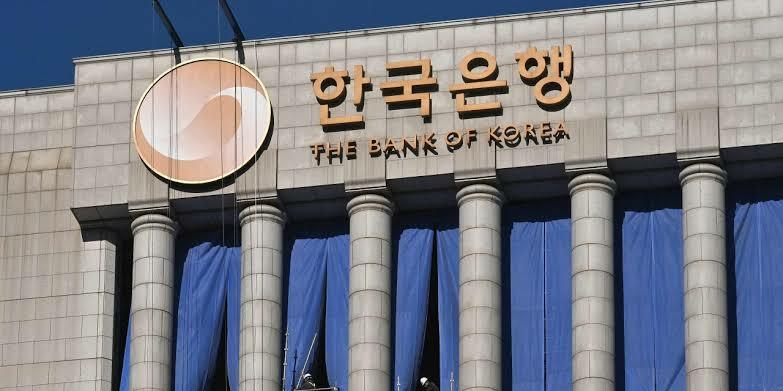
The Bank of Korea will buy approximately one ton of domestically produced gold in December, worth 200 billion won, according to the office of Rep. Chung Tae-ho of the Democratic Party of Korea, a member of the National Assembly's Strategy and Finance Committee, on the 30th.
The move, which follows indirect investment through ETFs in the second quarter, signals a more active push into gold and marks the central bank's first physical gold purchase in 13 years. The first transaction is scheduled for December 14, after the bank establishes the system needed for domestic gold trading, Seoul Daily reported.
In materials submitted to Chung's office, the BOK said the necessary systems are expected to be in place around Dec. 14, allowing the first transaction to take place at that time. The central bank estimated the planned volume at around one ton. One ton of gold is valued at roughly 200 billion won ($140 million).
The Bank of Korea held 104.4 tons of physical gold as of the end of August, valued at $14.88 billion and representing 3.4% of foreign exchange reserves. One ton adds less than 1% to that position.
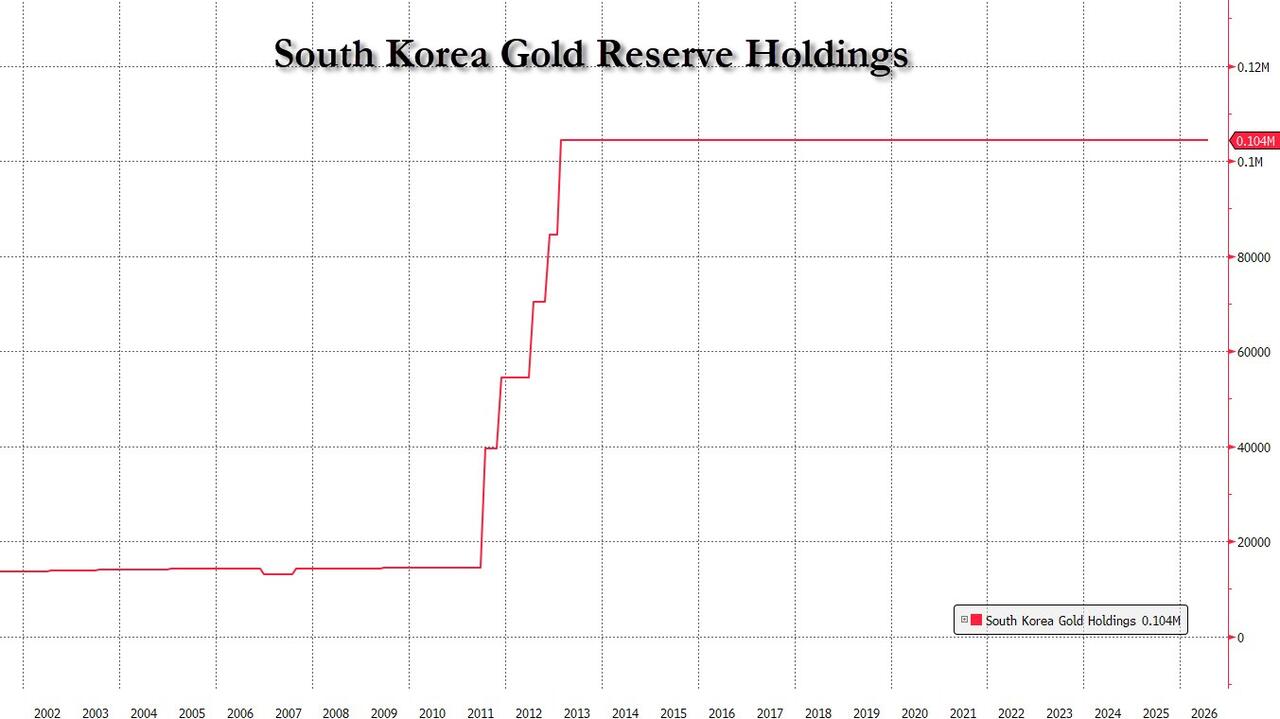
The BOK halted gold purchases in February 2013. It had ramped up gold investment until then, only to face fierce criticism from politicians when prices fell. But with geopolitical risks mounting and interest in gold as a safe-haven asset growing, and amid criticism that the BOK's gold holdings were smaller than those of other central banks, the bank decided this year to expand its reserves. It officially announced in August that it would resume buying physical gold. In the second quarter, it had already purchased $250 million worth of gold ETFs, which are classified as securities.
The most likely approach for the physical purchases is to buy volumes that domestic gold producers had planned to export. The arrangement is significant because it secures a channel for buying gold in won rather than foreign currency. That allows the BOK to build up safe-haven assets without dollar outflows, minimizing volatility in the domestic foreign exchange market. The Korea Exchange recently overhauled the trading, custody and settlement systems of its KRX gold market to support the BOK's purchases.
Chung said the BOK's decision to resume physical gold purchases after 13 years is a meaningful first step toward diversifying the country's foreign exchange reserve portfolio.
What makes the purchase notable is the resumption itself. As Binance notes, a central bank that has not bought physical gold since 2013 building the infrastructure to do so signals an intent to continue, and the report describes establishing a system rather than executing a one-off trade.
Confirming an August report from Reuters, the purchase is expected to cover gold that domestic producers had originally planned to export. That will allow the central bank to pay in Korean won without drawing on foreign exchange reserves.
The distinction matters for how the transaction affects Korea's external position. A conventional gold purchase converts foreign currency into bullion, changing the composition of reserves without altering their total. Buying domestic production with won adds to reserves without spending any.
It also keeps gold inside Korea that would otherwise have left, which has a marginal effect on the country's trade flows.
The Bank of Korea began indirect gold investment in the second quarter of this year, purchasing $250 million worth of gold ETFs.
That sequence is informative. ETF exposure gives price participation without custody, storage or the operational work of handling physical metal. Moving from ETFs to bullion after two quarters suggests the earlier position was a preliminary step rather than the intended endpoint.
The BOK's gold holdings fall far short of those in major economies. As of the end of August, the central bank held 104.4 tons of physical gold, worth $4.79 billion on a book value basis. That accounts for just 1.1% of total foreign exchange reserves, or about 3.4% at market prices. The BOK ranks 39th in the world in gold holdings, according to the latest data from the World Gold Council.
China's central bank has been the more visible buyer, adding 650,000 ounces in a recent month - its largest since 2023 - across 22 consecutive months of purchases.
Central bank gold demand has been a persistent bid through a period when the metal has fallen sharply on rate expectations. Gold traded near $4,144 on September 28, roughly 25% below January's record of $5,600, and posted three consecutive weekly declines through mid-September.
That divergence is the thing to watch. Official sector buying has continued while investor flows moved the other way, and a central bank starting a programme at these levels is buying into weakness rather than strength.
Fiscal Concerns Are the Stated Driver Elsewhere
The broader argument for central bank gold accumulation has shifted toward sovereign risk.
Chicago-based Strategic Analytics put it directly: "Since 2022, gold has increasingly tracked fiscal-risk perceptions – term premium, deficits, debt sustainability – rather than the Fed's policy path."
That framing sits alongside a bond market setting extremes. The 30-year Treasury yield crossed 5.6% on Tuesday, its highest since June 2002, and the 10-year reached a fresh 2007 high near 5.3%, with analysts including 10x Research's Markus Thielen forecasting 6%.
Tyler Durden Wed, 09/30/2026 - 11:40
Continue reading...
[ H/T ZeroHedge ]
Add South Korea to the list of countries taking tentative steps to hedge their exposure to the US dollar, and fiat in general.
The Bank of Korea will buy approximately one ton of domestically produced gold in December, worth 200 billion won, according to the office of Rep. Chung Tae-ho of the Democratic Party of Korea, a member of the National Assembly's Strategy and Finance Committee, on the 30th.
The move, which follows indirect investment through ETFs in the second quarter, signals a more active push into gold and marks the central bank's first physical gold purchase in 13 years. The first transaction is scheduled for December 14, after the bank establishes the system needed for domestic gold trading, Seoul Daily reported.
In materials submitted to Chung's office, the BOK said the necessary systems are expected to be in place around Dec. 14, allowing the first transaction to take place at that time. The central bank estimated the planned volume at around one ton. One ton of gold is valued at roughly 200 billion won ($140 million).
The Bank of Korea held 104.4 tons of physical gold as of the end of August, valued at $14.88 billion and representing 3.4% of foreign exchange reserves. One ton adds less than 1% to that position.
The BOK halted gold purchases in February 2013. It had ramped up gold investment until then, only to face fierce criticism from politicians when prices fell. But with geopolitical risks mounting and interest in gold as a safe-haven asset growing, and amid criticism that the BOK's gold holdings were smaller than those of other central banks, the bank decided this year to expand its reserves. It officially announced in August that it would resume buying physical gold. In the second quarter, it had already purchased $250 million worth of gold ETFs, which are classified as securities.
The most likely approach for the physical purchases is to buy volumes that domestic gold producers had planned to export. The arrangement is significant because it secures a channel for buying gold in won rather than foreign currency. That allows the BOK to build up safe-haven assets without dollar outflows, minimizing volatility in the domestic foreign exchange market. The Korea Exchange recently overhauled the trading, custody and settlement systems of its KRX gold market to support the BOK's purchases.
Chung said the BOK's decision to resume physical gold purchases after 13 years is a meaningful first step toward diversifying the country's foreign exchange reserve portfolio.
What makes the purchase notable is the resumption itself. As Binance notes, a central bank that has not bought physical gold since 2013 building the infrastructure to do so signals an intent to continue, and the report describes establishing a system rather than executing a one-off trade.
Confirming an August report from Reuters, the purchase is expected to cover gold that domestic producers had originally planned to export. That will allow the central bank to pay in Korean won without drawing on foreign exchange reserves.
The distinction matters for how the transaction affects Korea's external position. A conventional gold purchase converts foreign currency into bullion, changing the composition of reserves without altering their total. Buying domestic production with won adds to reserves without spending any.
It also keeps gold inside Korea that would otherwise have left, which has a marginal effect on the country's trade flows.
The Bank of Korea began indirect gold investment in the second quarter of this year, purchasing $250 million worth of gold ETFs.
That sequence is informative. ETF exposure gives price participation without custody, storage or the operational work of handling physical metal. Moving from ETFs to bullion after two quarters suggests the earlier position was a preliminary step rather than the intended endpoint.
The BOK's gold holdings fall far short of those in major economies. As of the end of August, the central bank held 104.4 tons of physical gold, worth $4.79 billion on a book value basis. That accounts for just 1.1% of total foreign exchange reserves, or about 3.4% at market prices. The BOK ranks 39th in the world in gold holdings, according to the latest data from the World Gold Council.
China's central bank has been the more visible buyer, adding 650,000 ounces in a recent month - its largest since 2023 - across 22 consecutive months of purchases.
Central bank gold demand has been a persistent bid through a period when the metal has fallen sharply on rate expectations. Gold traded near $4,144 on September 28, roughly 25% below January's record of $5,600, and posted three consecutive weekly declines through mid-September.
That divergence is the thing to watch. Official sector buying has continued while investor flows moved the other way, and a central bank starting a programme at these levels is buying into weakness rather than strength.
Fiscal Concerns Are the Stated Driver Elsewhere
The broader argument for central bank gold accumulation has shifted toward sovereign risk.
Chicago-based Strategic Analytics put it directly: "Since 2022, gold has increasingly tracked fiscal-risk perceptions – term premium, deficits, debt sustainability – rather than the Fed's policy path."
That framing sits alongside a bond market setting extremes. The 30-year Treasury yield crossed 5.6% on Tuesday, its highest since June 2002, and the 10-year reached a fresh 2007 high near 5.3%, with analysts including 10x Research's Markus Thielen forecasting 6%.
Tyler Durden Wed, 09/30/2026 - 11:40
Continue reading...
[ H/T ZeroHedge ]