








16 U.S. Trucking Companies File For Bankruptcy In Less Than A Month As Diesel Prices Soar
Diesel prices have exploded over the past month, creating another major cost shock for an industry that was already operating on thin margins. The national average climbed from roughly $5.60 per gallon at the end of August to a record $6.53 in late September, an increase of about 17% in just a few weeks. Prices have eased slightly from that peak, but the EIA’s latest weekly reading still puts diesel at $6.38 per gallon, compared with $5.60 at the end of August.
Now the financial damage is beginning to show up. Sixteen American trucking companies have entered bankruptcy proceedings in less than a month, affecting more than 250 jobs, according to FreightWaves and the Independent. Eight filed for Chapter 11 bankruptcy, allowing them to continue operating while restructuring their debts, while seven entered Chapter 7 and are liquidating their assets and shutting down.
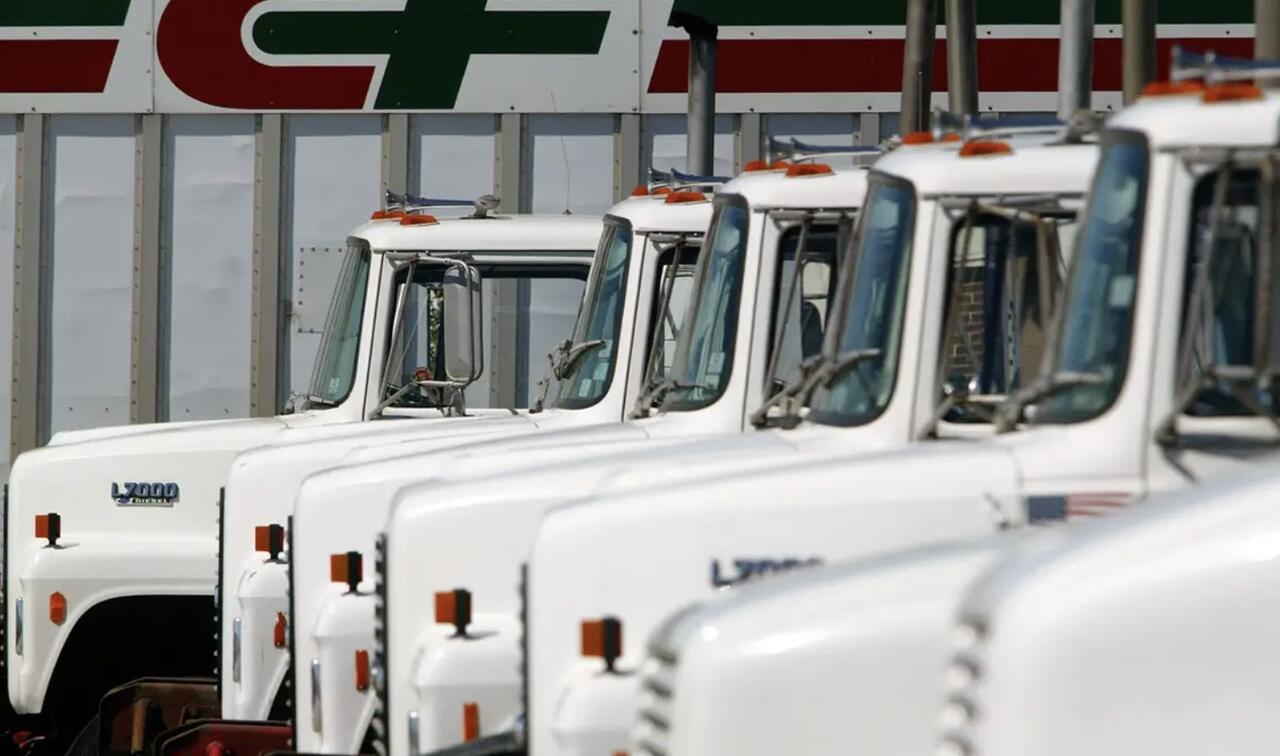
Among the larger companies seeking Chapter 11 protection are Xoco Transport and Globemaster. Neither specified the cause of its financial problems in federal court filings, and diesel is hardly the industry's only problem. Carriers have also been grappling with rising labor, insurance, maintenance and regulatory costs, while seasonal slowdowns can leave them without enough revenue to absorb those increases.
But the sudden surge in fuel costs adds another layer of pressure because trucking companies have limited options when diesel jumps this quickly. They can absorb the expense and sacrifice margins, pass it through with higher freight rates and risk losing business, or cut workers and equipment. The latter can keep a company alive temporarily, but it also reduces shipping capacity and the amount of revenue the carrier can generate.
And for now, there is little reason to consider the diesel problem resolved. Prices remain near historic highs and are still heavily tied to the war with Iran and the resulting disruption to global energy supplies.
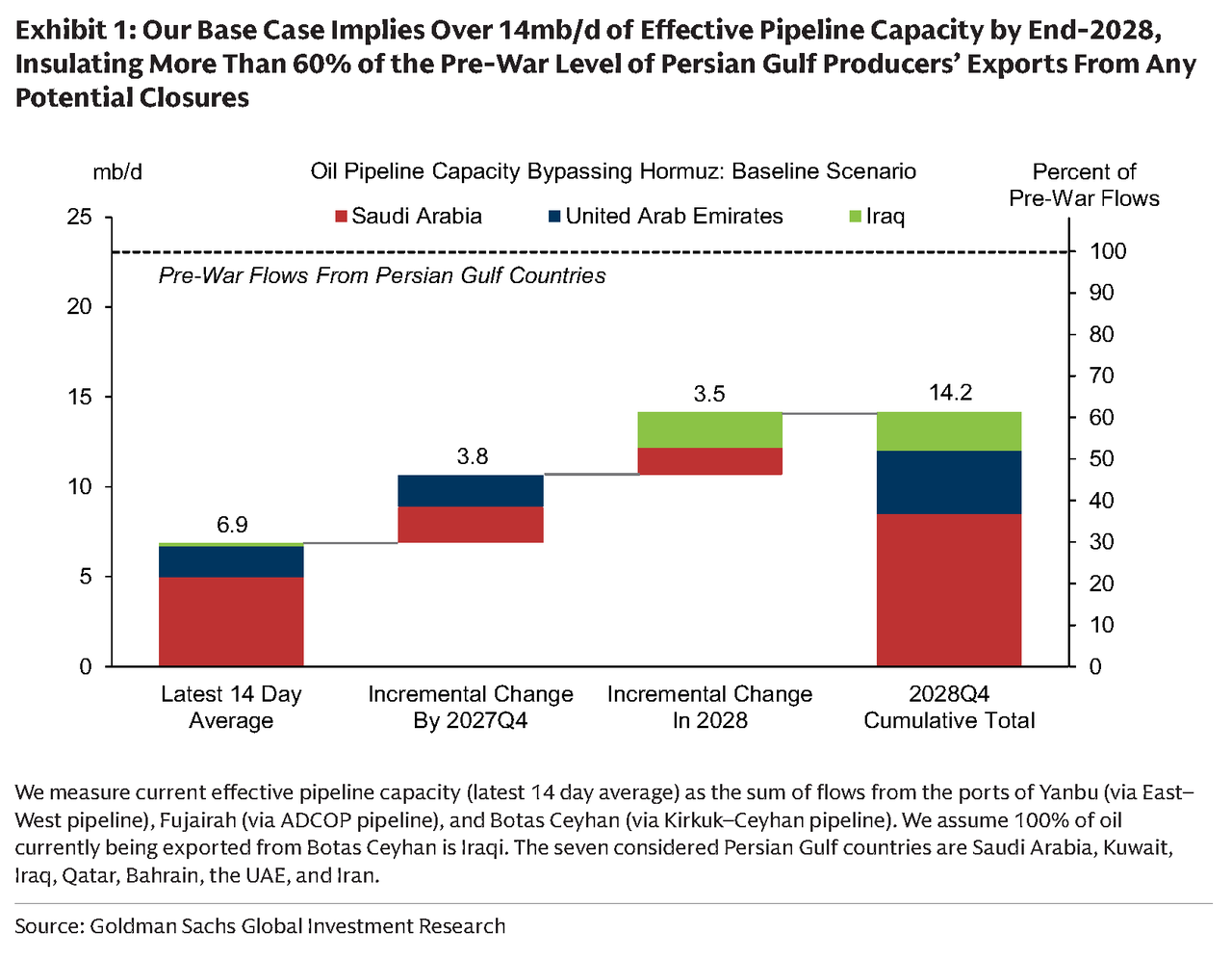
Even as crude shipments through the Strait of Hormuz have begun recovering, refined-product flows remain constrained, inventories have been depleted and damaged Middle Eastern refining infrastructure continues to limit supply. Until those disruptions ease materially, diesel remains another major transmission mechanism through which the Iran war is feeding directly into the U.S. economy.
Tyler Durden Thu, 10/01/2026 - 04:15
Continue reading...
[ H/T ZeroHedge ]
Diesel prices have exploded over the past month, creating another major cost shock for an industry that was already operating on thin margins. The national average climbed from roughly $5.60 per gallon at the end of August to a record $6.53 in late September, an increase of about 17% in just a few weeks. Prices have eased slightly from that peak, but the EIA’s latest weekly reading still puts diesel at $6.38 per gallon, compared with $5.60 at the end of August.
Now the financial damage is beginning to show up. Sixteen American trucking companies have entered bankruptcy proceedings in less than a month, affecting more than 250 jobs, according to FreightWaves and the Independent. Eight filed for Chapter 11 bankruptcy, allowing them to continue operating while restructuring their debts, while seven entered Chapter 7 and are liquidating their assets and shutting down.
Among the larger companies seeking Chapter 11 protection are Xoco Transport and Globemaster. Neither specified the cause of its financial problems in federal court filings, and diesel is hardly the industry's only problem. Carriers have also been grappling with rising labor, insurance, maintenance and regulatory costs, while seasonal slowdowns can leave them without enough revenue to absorb those increases.
But the sudden surge in fuel costs adds another layer of pressure because trucking companies have limited options when diesel jumps this quickly. They can absorb the expense and sacrifice margins, pass it through with higher freight rates and risk losing business, or cut workers and equipment. The latter can keep a company alive temporarily, but it also reduces shipping capacity and the amount of revenue the carrier can generate.
And for now, there is little reason to consider the diesel problem resolved. Prices remain near historic highs and are still heavily tied to the war with Iran and the resulting disruption to global energy supplies.
Even as crude shipments through the Strait of Hormuz have begun recovering, refined-product flows remain constrained, inventories have been depleted and damaged Middle Eastern refining infrastructure continues to limit supply. Until those disruptions ease materially, diesel remains another major transmission mechanism through which the Iran war is feeding directly into the U.S. economy.
Tyler Durden Thu, 10/01/2026 - 04:15
Continue reading...
[ H/T ZeroHedge ]