

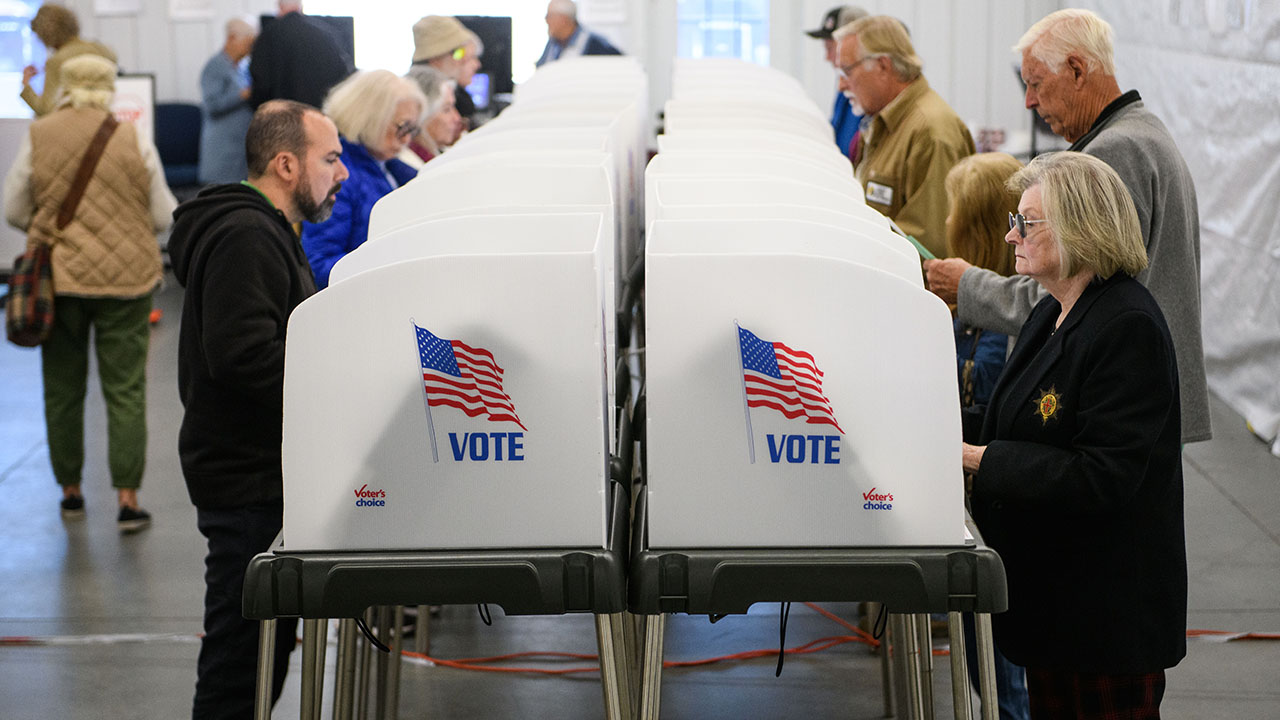




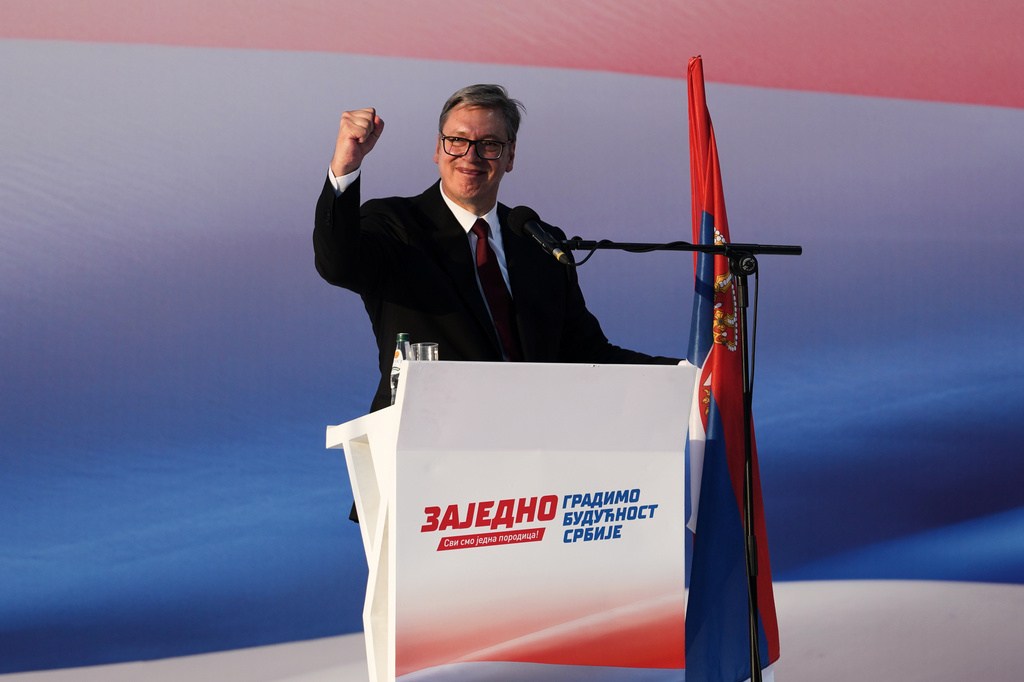
As voters head to the polls on Sunday, students are once again at the center of Serbian politics. Their movement began two years ago, in November of 2024, when the concrete canopy of the newly renovated railway station in Novi Sad, the country’s second largest city, collapsed and killed 16 people. Many Serbians saw the disaster as a symbol of corruption in public construction contracts. Students demanded the release of all project documents and the prosecution of those responsible. Their protests spread from university faculties to weekly marches across the country, drawing in farmers, actors, lawyers, and judges. Today, that energy has taken a political shape as the Student List, a 250-member electoral slate. It poses the first serious challenger to President Aleksandar Vucic in 14 years.
The government has responded to the protests with growing force. Demonstrators faced mass arrests, surveillance, and violent attacks by government supporters and ruling party-affiliated thugs, some of whom were later pardoned by Vucic. Violence also marred the last local elections, with journalists among the targets. There are fears that new violence may follow Sunday’s results.
Still, the students have managed to achieve what Serbia’s established opposition parties struggled to do for years. Those parties have remained divided, suffered from low public trust, and weakened themselves further by boycotting the election. By keeping party politicians at a distance, the students built a reputation for fairness and independence. In contrast, the traditional opposition lists stand at around 3% each in the polls. This turns Sunday’s vote into a contest between a movement and one man.
Vucic and his Serbian Progressive Party have held power since 2012. Critics argue that the SNS has taken control of the state itself, placing loyal people in the courts, the security services, public companies, and election bodies, and linking public-sector jobs to party membership. The media remain largely under the control of the government and its supporters, with opposition voices more marginalized. But Vucic and his supporters reject this picture, pointing to strong economic growth, high inflow of foreign investment, and recent increases in pensions and the minimum wage as proof that the government is delivering results.
With parliament’s term running until late 2027, Vucic had time to spare, but by calling the vote more than a year early, he seemingly hoped to catch the opposition unprepared, forcing the protest movement onto a ballot where the state holds an advantage. He also wants to secure his move from president to prime minister, winning a new mandate to govern with a freer hand.
The same mix of control and calculation that keeps Vucic in power at home also shapes his foreign policy. He welcomed Volodymyr Zelensky to Belgrade after standing beside Putin at the Victory Day parade in Moscow. Along the way, he has relied on the help of the Serbian Orthodox Church, one of the most trusted institutions in the country and a close friend of Moscow. During a visit to the Kremlin in April 2025, Patriarch Porfirije praised Vucic and described the student protests as a Western plot. Moscow has rewarded this loyalty, with Putin saying in early October that he hoped Vucic would become prime minister and praising his wish to work with Russia. All of this seems to sit comfortably with Washington, which launched a strategic dialogue with Belgrade in July, even as more voices in Congress raise concerns.
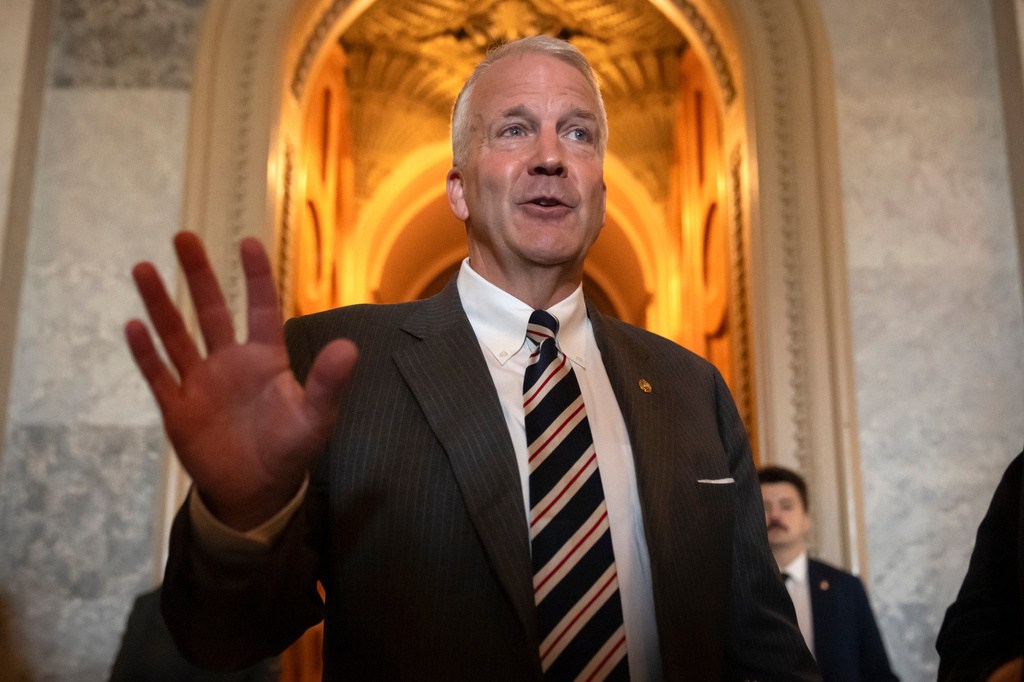
Observers, including the election watch of the OSCE, say the playing field strongly favors the ruling party, pointing to a manipulated voter register, state resources poured into the campaign, heavy media bias, and reports of organized vote buying. The elections caught Washington’s attention, too, where a bipartisan group of U.S. senators warned the authorities to ensure free and fair conduct of the vote.
TRUMP PLANS OHIO SWING TO GIVE GOP CANDIDATES LAST-MINUTE ELECTION DAY BOOST
The polls show a race too close to call.
The Student List stands at 45% and Vucic’s party at 43%. Getting rid of Miloševic took more than 10 years of protests, and only happened once wars, sanctions, and a stolen election had cost him the trust of almost everyone. If Vucic comes out on top on Sunday, the students will at least have shown that his hold on power is far weaker than it once looked.
Continue reading...
[ H/T Washington Examiner ]