


A bipartisan Senate duo claims it has the answer to “Save the Senate.” The proposal to eliminate cloture votes, limit dead floor time, increase debate time, and create multiple “fast-tracks” for bills could allow the Senate to pass more legislation.
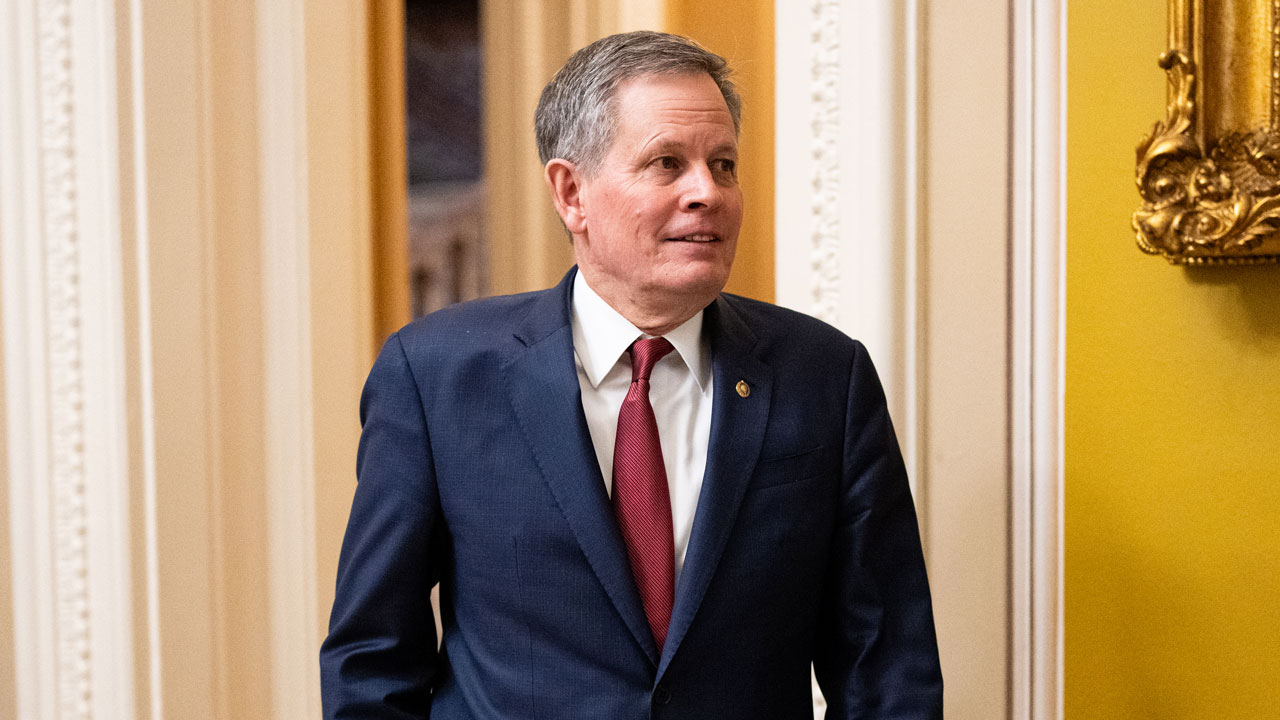
The rule changes, proposed by retiring Republican Sen. Steve Daines of Montana and Democrat Sen. Jeff Merkley of Oregon, seek to limit dead floor time, limit omnibus bills and backroom deals, and move legislation faster, much like the lower chamber. Their goal is to get the proposal passed before Daines departs and the new Congress convenes in January.
“More bills passed, more votes taken, less time wasted. That sums up,” Daines said in a Semafor interview with Merkley announcing the proposal.
Overall, the proposed rules address one of the greatest frustrations many have with the Senate: The chamber doesn’t accomplish much.
According to House Majority Leader Steve Scalise, Republicans have passed “700 bills that are sitting in the Senate, including the SAVE America Act and a ban on members of Congress trading stock.” Just a few weeks ago, the Senate spent nearly two weeks working to pass the College Sports Bill.
What often holds the Senate back is the cloture vote, the requirement for 60 votes needed to end a filibuster.
The senators propose reducing dead floor time to allow more time for votes. They want to eliminate the 60-vote requirement, known as the cloture vote, for some routine business and procedural votes and eliminate the “intervening day,” the full calendar day between filing and voting. They also want to reduce the 30-hour waiting period, called post-cloture consideration, to allow more time to pass legislation.
The senators want to establish a “fast-track” process to allow committee-passed bills to pass on the Senate floor with a two-thirds vote. Committee chairs and ranking members would be involved in the process. A second fast-track process would be created for legislation out of the Appropriations Committee, the yearly bills that appropriate taxpayers’ money. There would be “extensive opportunity” for amendments and specific rules for bipartisan bills.
Fears It Will ‘Strengthen the Swamp’
Sen. Mike Lee told the Daily Signal he has some concerns with the proposed rules, specifically citing the removal of procedural hurdles for appropriators.
“I’m concerned that this proposal would have many of the downsides of eliminating the filibuster and none of the upsides,” Lee said.
“Allowing Senate appropriators to spend taxpayer dollars with fewer procedural hurdles strengthens the Swamp instead of draining it,” he continued.
But for now, the proposal is just that, a proposal.
The two senators’ goal is to finish the initial draft this month, hold member meetings in November and December, and seek support during the period between the election and the new Congress known as the lame-duck session. Daines and Merkley are both pushing for a vote during the lame-duck session. They only need 67 senators on board to change Senate rules, but they are seeking full support.
“Senator Daines is seeking support across the Republican conference, the ideological spectrum, and the seniority spectrum—from a committee chairman to a first-term senator,” Daines’ office told the Daily Signal.
“We have met with multiple senators’ staff across our ideological spectrum and across our seniority spectrum, and absolutely that includes Steering [Committee],” the office said.
“Conversations will substantially increase as we try to grow support, fine tune, finish the product, and grow support for the product in the next two and a half months or two months.”
Ryan Wrasse, spokesperson for Senate Majority Leader John Thune, told Semafor, “Thune is always open to discussing ways to make the Senate function in a more effective and efficient way, and he applauds Sen. Daines for thinking outside the box. Since no rules change can be implemented unilaterally, building a bipartisan consensus will be key to any modification of the existing process.”
Daines also told Semafor that they “got a thumbs up on it” from key players in the White House.
Continue reading...
[ H/T The Daily Signal ]