



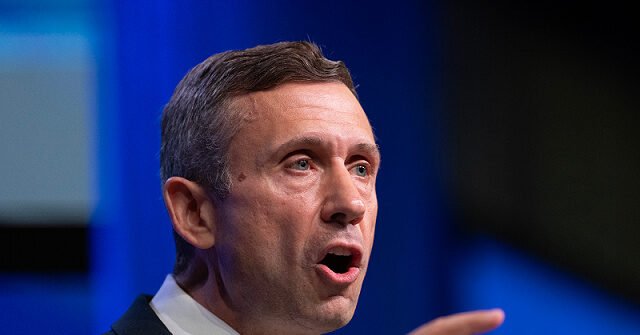
Guest Post by Danny Citrowicz
A. Iran’s current leadership is determined to set the pace of the confrontation rather than simply react to decisions made in Washington. Tehran wants to demonstrate that it retains the initiative and can shape the escalation on its own terms.
B. Iranian leaders increasingly interpret Washington’s caution as a sign of hesitation and a lack of political will to sustain a prolonged confrontation. In Tehran’s assessment, that creates an opportunity to test American resolve.
C. From Iran’s perspective, the maritime blockade itself constitutes an act of war. Unlike previous crises, the current leadership appears unwilling to accept restrictions on its maritime access without responding militarily.
D. Today’s strikes should also be viewed in the broader regional context. They are closely linked to the activities of Iran-backed militias in Iraq against Israel, Jordan, and Saudi Arabia. Tehran sees these fronts as part of a single campaign aimed at reshaping the regional balance of power while exploiting what it views as the strategic vulnerabilities of the Gulf states and the United States.
E. The attack also reflects the doctrinal shift that has taken place in Iran since the death of Ali Khamenei. The new leadership is not content with deterrence through retaliation alone; it increasingly favors proactive military initiatives while relying heavily on its missile, drone, and proxy capabilities. Tehran believes the current crisis presents an opportunity to redefine the security order in the Persian Gulf in its favor.
F. The pressure now shifts back to Washington. Iranian decision-makers appear to believe that a limited U.S. response will not alter the strategic equation. Their expectation is that the United States will eventually face a choice between accepting a broader escalation or making significant strategic adjustments.
The broader message from Tehran is clear: Iran is not signaling surrender, nor is it seeking negotiations from a position of weakness. On the contrary, the leadership appears prepared to accept considerable risks because it views this as a defining strategic confrontation over Iran’s regional role and long-term security.
Tweet
Continue reading...
[ H/T The Burning Platform ]
A. Iran’s current leadership is determined to set the pace of the confrontation rather than simply react to decisions made in Washington. Tehran wants to demonstrate that it retains the initiative and can shape the escalation on its own terms.
B. Iranian leaders increasingly interpret Washington’s caution as a sign of hesitation and a lack of political will to sustain a prolonged confrontation. In Tehran’s assessment, that creates an opportunity to test American resolve.
C. From Iran’s perspective, the maritime blockade itself constitutes an act of war. Unlike previous crises, the current leadership appears unwilling to accept restrictions on its maritime access without responding militarily.
D. Today’s strikes should also be viewed in the broader regional context. They are closely linked to the activities of Iran-backed militias in Iraq against Israel, Jordan, and Saudi Arabia. Tehran sees these fronts as part of a single campaign aimed at reshaping the regional balance of power while exploiting what it views as the strategic vulnerabilities of the Gulf states and the United States.
E. The attack also reflects the doctrinal shift that has taken place in Iran since the death of Ali Khamenei. The new leadership is not content with deterrence through retaliation alone; it increasingly favors proactive military initiatives while relying heavily on its missile, drone, and proxy capabilities. Tehran believes the current crisis presents an opportunity to redefine the security order in the Persian Gulf in its favor.
F. The pressure now shifts back to Washington. Iranian decision-makers appear to believe that a limited U.S. response will not alter the strategic equation. Their expectation is that the United States will eventually face a choice between accepting a broader escalation or making significant strategic adjustments.
The broader message from Tehran is clear: Iran is not signaling surrender, nor is it seeking negotiations from a position of weakness. On the contrary, the leadership appears prepared to accept considerable risks because it views this as a defining strategic confrontation over Iran’s regional role and long-term security.

 Direct hits at Muwaffaq Salti in Jordan.
Fresh reports tonight say Iranian ballistic missiles reached the US used airbase in Jordan.. A senior American official is already saying everything was intercepted. As usual, the two versions do not match. At least 6 projectiles… https://t.co/HurorWHwL3 pic.twitter.com/wy2oh2CF0X
— THE ISLANDER (@IslanderWORLD) July 28, 2026
Tweet
Continue reading...
[ H/T The Burning Platform ]