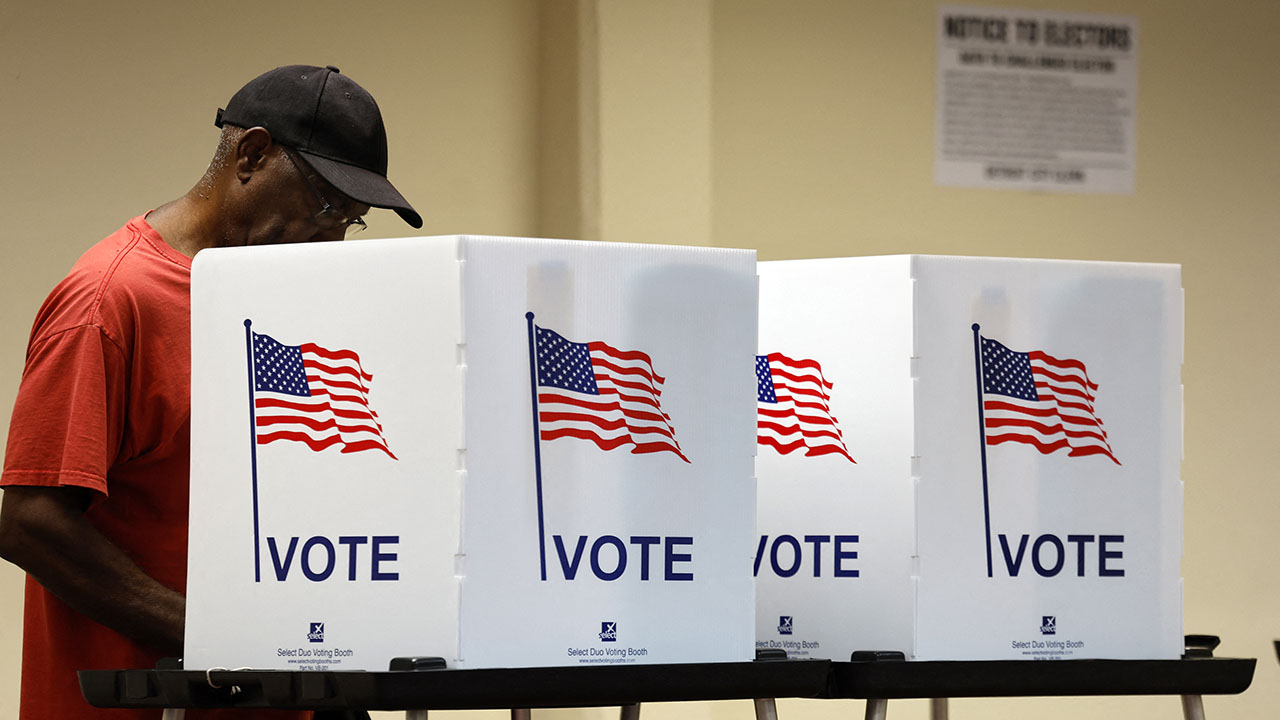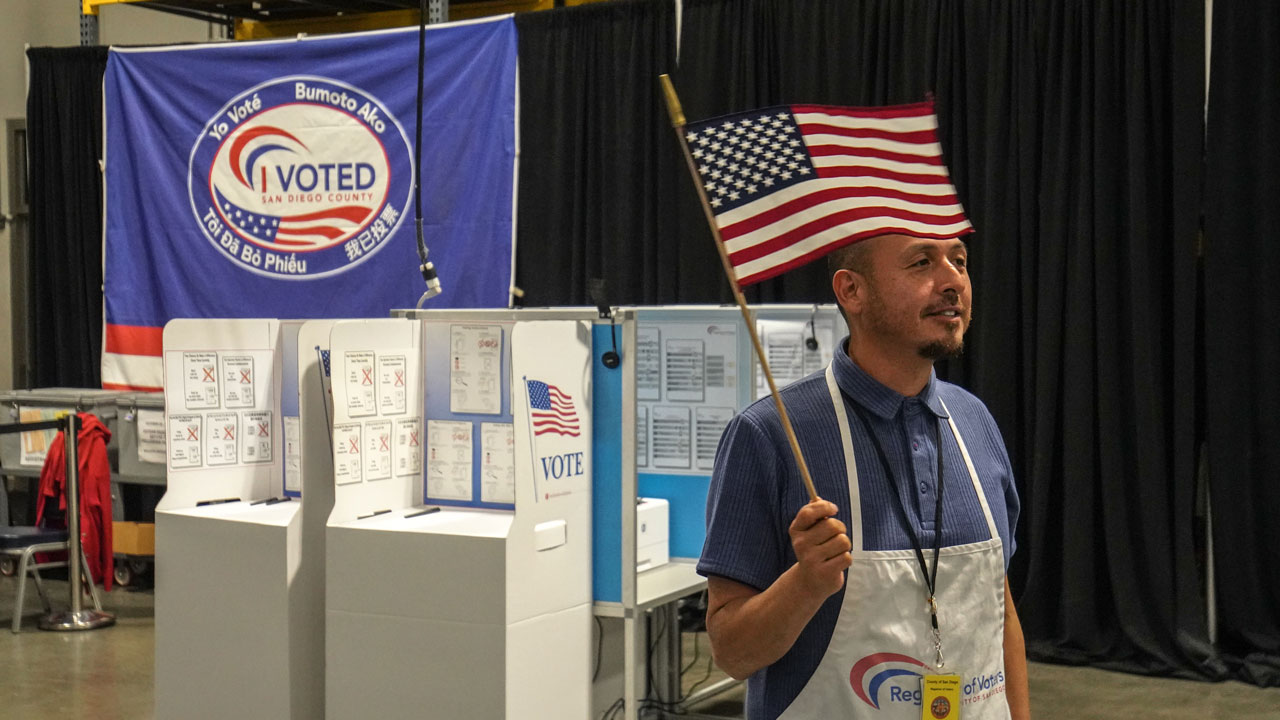


With voters in four states considering abortion-related ballot measures this Tuesday, Clare Ath, senior policy analyst at Human Coalition, a pro-life nonprofit organization, said one of the challenges facing the movement is explaining to voters exactly what those abortion ballot measures would do.
“The pro-abortion movement is trying their best to conflate abortion and miscarriage into the same thing,” Ath said. However, in every state miscarriage care is allowed. The muddied messages have told and convinced voters that if they do not have access to abortions, they will not be able to get care for medical emergencies and miscarriage.
Breaking Down the Four State Pro-Life Battles
Voters in Missouri, Idaho, Nevada, and Virginia are considering abortion-related ballot measures on Nov. 3. While measures in Idaho, Nevada, and Virginia would protect or expand abortion rights, Missouri’s Amendment 3 would move in the opposite direction by asking voters to reverse abortion protections approved in 2024.
Voters have taken on a larger role in determining state abortion policy since the Supreme Court’s 2022 Dobbs v. Jackson Women’s Health Organization decision overturned Roe v. Wade and returned abortion policy to the states.
Missouri may present the biggest opportunity for pro-life advocates. Rather than attempting to stop a new abortion-rights amendment from passing, they are asking voters to undo one they approved just two years ago.
A Missouri victory could therefore offer the movement a potential model for revisiting losses from the first wave of post-Dobbs abortion referendums.
Idaho would move in the opposite direction. Proposition 1 would establish a statutory right to abortion until fetal viability and provide protections involving contraception, fertility treatment, miscarriage care, and other reproductive health decisions. Because the measure would change state law rather than the state constitution, lawmakers could potentially alter it in the future.
Nevada voters will decide whether to make abortion a fundamental right under the state constitution. Nevada voters approved the amendment in 2024, but it must pass again in 2026 to take effect and become part of the state constitution.
Virginia voters will decide whether abortion protections should become part of their state constitution. The measure would establish a constitutional right to what supporters call “reproductive freedom.”
Ath raised concerns that Virginia’s proposed amendment could affect the state’s existing parental-consent requirements for minors seeking abortions. She also argued that voters may believe they are voting primarily on abortion access without recognizing what she says could be consequences for parental involvement.
Daily Signal’s Virginia correspondent, Joe Thomas has also raised concerns about the measure’s wording, calling the ballot language “misleading, if not downright fraudulent” and arguing that voters may not realize its potential implications for parental involvement and abortion later in pregnancy.
Florida Sets Example for Pro-Life Laws
Ath pointed to Ron DeSantis’ administration in Florida as an example, saying the state provided guidance and training to help hospitals understand how its abortion laws should be applied. Florida’s law allows doctors to provide care for miscarriages and medical emergencies without violating the state’s abortion restrictions.
The Issue of Chemical Abortions
“The biggest battle that the pro-life movement faces right now is that we can pass any kind of great life-saving legislation but at the end of the day, the FDA is not going to limit the shipment of chemical abortion drugs in the mail.” Ath declared, “The biggest place we need to start is enforcing our existing laws.”
In the Texas state legislature, ‘The Woman and Child Protection Act,’ took effect Dec. 4, 2025. Under this state legislation, if you mail abortion pills into the state citizens can be sued in the federal court, and they could be sued $100,000 for every pregnancy ended.
For pro-life voters, the significance extends beyond a single election. Constitutional amendments can make abortion protections considerably harder for future legislatures to change.
Ath argues the stakes are higher when abortion policy is written into a state constitution rather than passed through the legislature.
“It is, it is a much more concrete and it’s not necessarily permanent. It can be amended, but it is a much more permanent situation where passing a bill through the state legislature is something that can just kind of boomerang back and forth, depending on if you have Republicans in power, Democrats in power,” Ath said.
The Nov. 3 votes could determine whether the pro-life movement can regain ground lost through state ballot initiatives after Dobbs, or whether abortion-rights advocates continue placing protections beyond the easy reach of state legislatures.
Continue reading...
[ H/T The Daily Signal ]