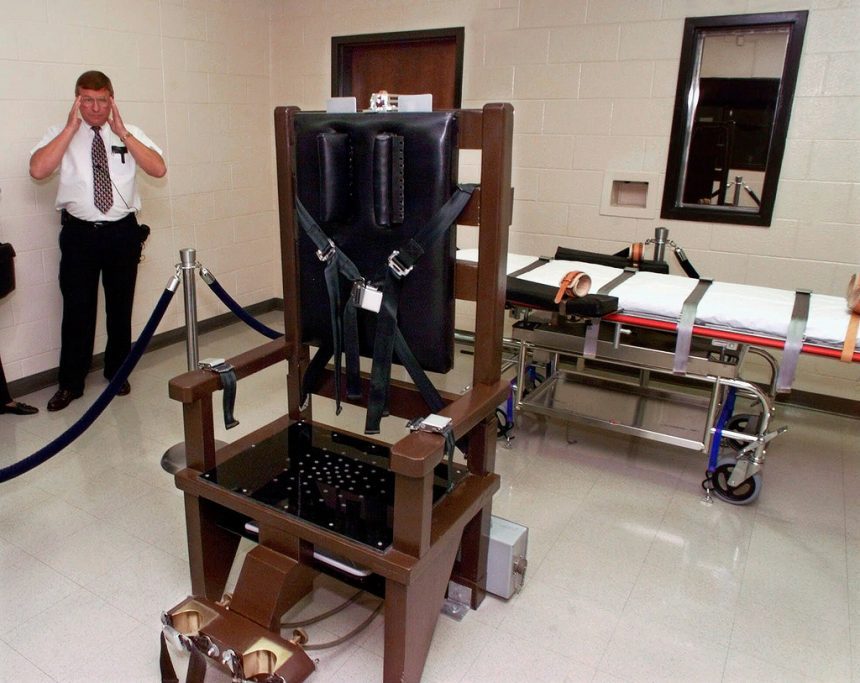







President Donald Trump stopped War Secretary Pete Hegseth from turning the execution of Fort Hood murderer Nidal Hasan into a worldwide broadcast. The decision followed objections from survivors, Republican lawmakers and religious leaders. It resolved the immediate controversy but left a larger question: How did Hegseth arrive at such a decision?
On Oct. 15, Trump canceled the proposed livestream of Hasan’s Dec. 3 execution by firing squad. Victims’ families could witness the execution, but the public could not. Reuters reported that Trump and his advisers had initially been unaware of Hegseth’s proposal. The Pentagon subsequently insisted that the president and secretary were aligned.
That may be true now. It does not explain how the decision was made.
Hegseth announced the broadcast during a television interview. Army officials reportedly learned of the plan through the news. The proposal would have established an extraordinary precedent in military justice yet apparently reached the public without adequate institutional review. Hasan murdered 13 people and wounded 32 others in 2009, but the problem was not his punishment.
The problem was the proposed spectacle, which survivors warned could traumatize families and provide extremist propaganda. Alonzo Lunsford, shot seven times by Hasan, supported the execution but opposed broadcasting it. Trump reached the same conclusion. Why did the Pentagon apparently fail to weigh those consequences before Hegseth announced his intentions?
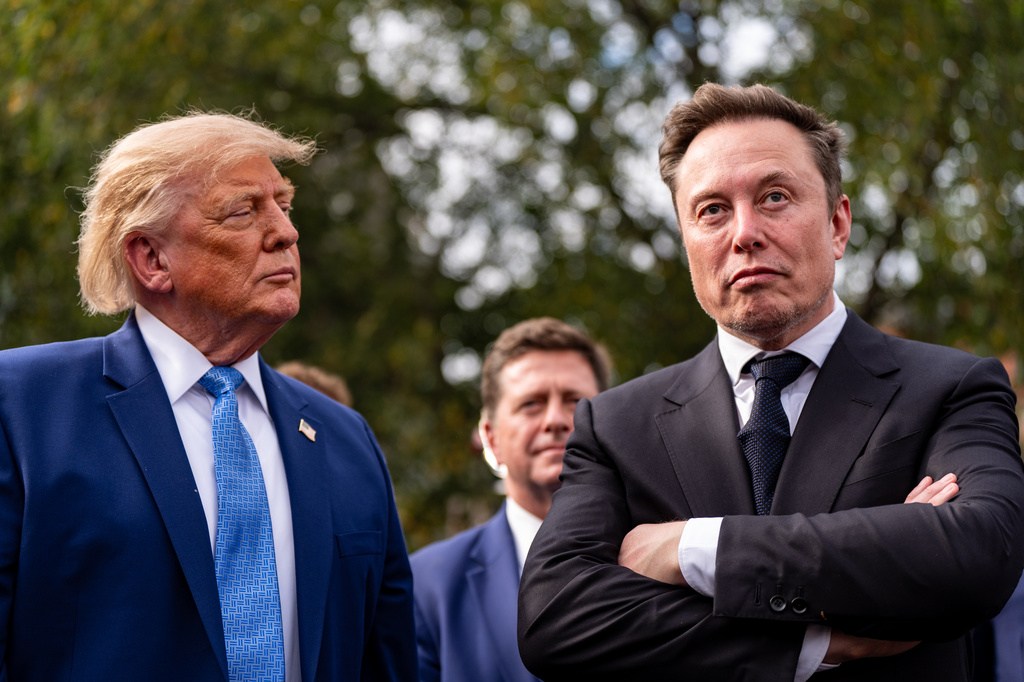
Graphic of Pete Hegseth and Donald Trump with artillery shells; Photos by AP Newsroom
" data-large-file="https://www.washingtonexaminer.com/wp-content/uploads/2026/08/2.png?w=1024" src="https://www.washingtonexaminer.com/wp-content/uploads/2026/08/2.png?w=1024" alt="Graphic of Pete Hegseth and Donald Trump with artillery shells" class="wp-image-4677301" srcset="https://www.washingtonexaminer.com/wp-content/uploads/2026/08/2.png 1024w, https://www.washingtonexaminer.com/wp-content/uploads/2026/08/2.png?resize=300,200 300w, https://www.washingtonexaminer.com/wp-content/uploads/2026/08/2.png?resize=768,512 768w" sizes="(max-width: 1024px) 100vw, 1024px">
Graphic of Pete Hegseth and Donald Trump with artillery shells; Photos by AP Newsroom
Consider another controversy involving sensitive operational information: In March 2025, senior officials discussed impending strikes against Houthi targets in Yemen through a Signal group that inadvertently included a journalist. Hegseth shared aircraft launch times and strike details. An inspector general review concluded that his actions created risks to American personnel and operations.
Hegseth disputed allegations that he shared classified war plans. The inspector general acknowledged his declassification authority but found he violated Pentagon policy by using his personal device. Sensitive information about aircraft movements can expose forces to danger regardless of classification.
Then there is the upheaval among senior military leaders. Hegseth removed numerous senior officers, including Army Chief of Staff Gen. Randy George, while intervening in promotion decisions. Army Secretary Dan Driscoll also departed amid reported disagreements over leadership and modernization. Civilian control of the military is fundamental, but that authority carries an obligation to distinguish professional disagreement from disloyalty.
Experienced officers possess institutional knowledge, relationships with allies, and an understanding of military capabilities that cannot be replaced overnight. Removing them may be necessary, but unexplained changes create uncertainty throughout the chain of command. Presidents and their secretaries have every right to replace commanders who cannot execute lawful policy, but they must also consider the institutional consequences.
Hegseth argues that the Pentagon requires sweeping reform, and the problems are real. Procurement delays, escalating costs, and bureaucratic resistance have frustrated administrations for decades. The armed forces need leaders willing to challenge established practices. But reform and disruption are not synonymous.
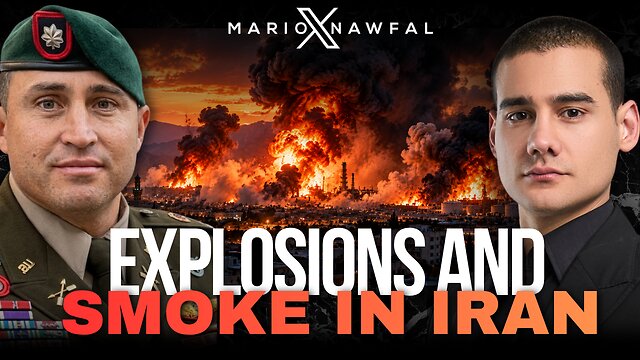
A secretary can demand accountability without diminishing professional military advice or treating every disagreement as resistance. That distinction becomes particularly important during wartime. The United States is engaged in a costly conflict with Iran while maintaining commitments in Europe, Asia, and elsewhere. Decisions about force posture, personnel, and operational security affect the service members who must execute them.
In military planning, three similar incidents can trigger an examination of whether a pattern is emerging. The number itself proves nothing. What matters is whether separate episodes reveal recurring weaknesses in decision-making. Hegseth’s record offers more than three controversies for examination.
Secretary of War Pete Hegseth delivers remarks to junior officers and enlisted leaders during a State of the Force address at the at Marine Corps Base Quantico, Va., Sept. 30, 2026. (DoW photo by U.S. Navy Petty Officer 1st Class Eric Brann)
" data-image-caption="
Secretary of War Pete Hegseth delivers remarks to junior officers and enlisted leaders during a State of the Force address at the at Marine Corps Base Quantico, Va., Sept. 30, 2026. (DoW photo by U.S. Navy Petty Officer 1st Class Eric Brann)
" data-large-file="https://www.washingtonexaminer.com/wp-content/uploads/2026/10/Hegseth-State-of-the-Force.jpg?w=700" src="https://www.washingtonexaminer.com/wp-content/uploads/2026/10/Hegseth-State-of-the-Force.jpg?w=700" alt="Secretary of War Pete Hegseth delivers remarks to junior officers and enlisted leaders during a State of the Force address." class="wp-image-4750968" srcset="https://www.washingtonexaminer.com/wp-content/uploads/2026/10/Hegseth-State-of-the-Force.jpg 700w, https://www.washingtonexaminer.com/...Hegseth-State-of-the-Force.jpg?resize=300,200 300w" sizes="(max-width: 700px) 100vw, 700px">
Secretary of War Pete Hegseth delivers remarks to junior officers and enlisted leaders during a State of the Force address at the at Marine Corps Base Quantico, Va., Sept. 30, 2026. (DoW photo by U.S. Navy Petty Officer 1st Class Eric Brann)
The livestream proposal, Signal disclosures, and leadership upheaval differ in their circumstances. Yet each raises questions about risk assessment, consultation, and professional military advice. Trump appointed Hegseth to challenge the Pentagon establishment, not preserve every tradition. The president has repeatedly expressed confidence in his secretary, and the administration has every right to pursue its reform agenda.
But loyalty to a president and effectiveness as a secretary are different measures. The first is political. The second carries responsibilities to the armed forces, Congress, and the American people.
The Nov. 3 midterm elections provide a natural point for reviewing Pentagon leadership. Such a review should assess Hegseth’s accomplishments alongside the controversies, examine whether decision-making safeguards work, and determine whether current leadership can carry reforms through 2028. That assessment should include the possibility of a change at the top while distinguishing the secretary’s decisions from institutional weaknesses.
HEGSETH SAYS ‘I FULLY SUPPORT’ TRUMP DECISION TO CANCEL LIVESTREAMED EXECUTION
Replacing one official cannot automatically correct problems embedded throughout the Pentagon. The military needs reform, but also disciplined judgment, professional candor, and decisions that account for foreseeable consequences before service members must live with them.
Trump stopped the livestream. But with Vice President JD Vance and Secretary of State Marco Rubio among the possible contenders for 2028, unresolved questions about Pentagon leadership could follow the administration into the next presidential campaign. That campaign begins as soon as the midterms conclude, when every controversy becomes potential campaign material. Perhaps the president should consider a deeper review of the Pentagon, including whether its current leadership is best equipped to carry his reforms forward.
Continue reading...
[ H/T Washington Examiner ]