




Since generative artificial intelligence arrived in 2022, analysts have warned that the AI bubble is real and that it could burst at any time. Now, we finally have proof that the end may be closer than we think, thanks to tangible data that is hard to refute.
The early days of generative AI were rife with hype and optimism, with a laundry list of promises from everyone involved, from investors to developers and all in between. Goldman Sachs said AI could boost the global GDP by 7%. Others claimed it would automate repetitive work at businesses to make employees more efficient. AI was even positioned as a lifesaving tool that will find the cure to deadly diseases, including cancer.
‘They’re losing hundreds of millions of dollars. This is most of the AI industry.’
IBM even warned, “Because of the wide-ranging applications and complexity of generative AI, many media reports might lead readers to believe that the technology is an almost magical cure-all.”
It isn’t. Or at least, it hasn’t yet. That is clear in the way that the AI developers still haven’t achieved artificial general intelligence, stopped AI hallucinations, or found reliable ways to sell AI to society, aside from having it do mundane tasks that are easier to do manually, like booking a flight or making a dinner reservation.
In fact, many of the Big AI CEOs and AI proponents are still making the same promises today — that AI will revolutionize the world — eventually. All they need is more money, more time, and more data to feed into the AI machine.
Still, the early promises were too tempting. Investors hopped aboard, dumping nearly $1 trillion globally into research and development, data center infrastructure, and snagging top talent for the frontier AI platforms to continue their work. But after years of AI giants like OpenAI and Anthropic failing to turn a profit, the AI bubble looks poised to burst at last.
RELATED: The AI bubble is about to pop. Here's how to prepare yourself.
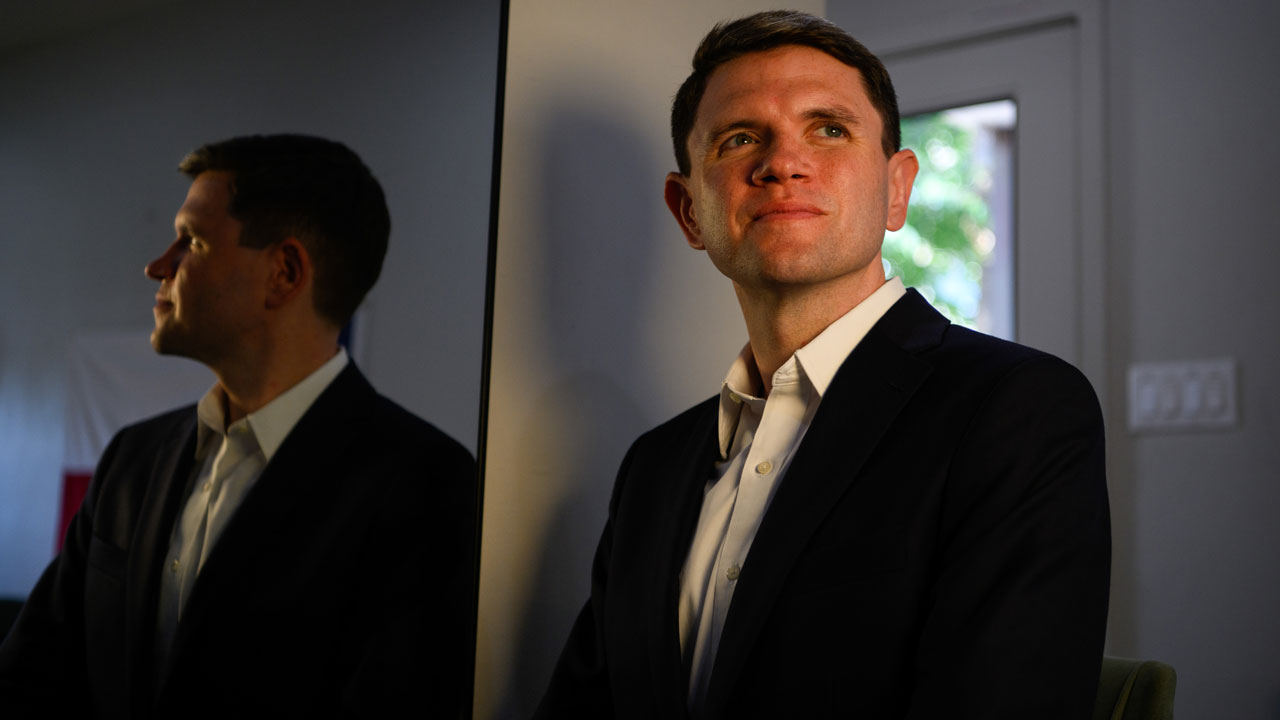
In a recent podcast, the CEO of EZPR, Ed Zitron, said he saw the financial books of a major private AI company firsthand. While he didn’t divulge the name of the company in question, he issued a dire warning: “They’re losing hundreds of millions of dollars. Hundreds of millions,” he repeated for emphasis. “This is most of the AI industry."
In Zitron’s estimation, the AI boom is fueled primarily by hype. “This is not something that’s being substantiated by revenues or returns,” he continued.
“People are starting to realize that the math does not work.”
A company called CoreWeave was hit particularly hard by AI’s poor financial performance. Unless you are deeply entrenched in the AI world, you have probably never heard of the company, but CoreWeave is a U.S.-based “neocloud” service provider. Essentially, it rents Nvidia GPUs to artificial intelligence companies and other businesses.
Unfortunately for CoreWeave, a perfect storm of $50 billion in debt, rising interest costs, and concerns over the company’s lack of profitability led to a massive drop in its stock price. CoreWeave is currently down 55% from its 52-week high. All of this makes it harder for CoreWeave to borrow more funds without a huge interest rate attached.
“CoreWeave is arguably one of the best-capitalized, best-connected, best-funded neoclouds out there,” according to Zitron. “Which means anyone raising data center debt right now is both in the toilet and being flushed at the same time.” It’s bad news, both for CoreWeave and smaller neocloud providers trying to stay afloat.
“Even if you think AI is the most important thing ever, there is a point at which this debt is unsustainable against the potential return.”
Anthropic, the maker of Claude, is also under fire after its IPO prospectus document leaked in late September. The numbers were dire, showing that the company spent $42 billion last year and only brought in $4.6 billion in revenue.
As costs continue to go up and AI providers continue to lose money, the AI industry inches closer to a total collapse. It doesn’t matter that the AI models are getting smarter and that those models can be used to build interesting things. At the end of the day, the AI platforms aren’t turning a profit, and that makes it harder to borrow more money to sustain themselves.
Like Blaze News? Bypass the censors, sign up for our newsletters, and get stories like this direct to your inbox. Sign up here!
Continue reading...
[H/T Blaze Media]