






In a free country, a man’s faith is his own. No American should have to pass a religious test to hold office. The Constitution forbids it, and decency forbids it too.
But a candidate’s honesty belongs to the voters. So too does his judgment, and so too the company he keeps and the comparisons he chooses to make.
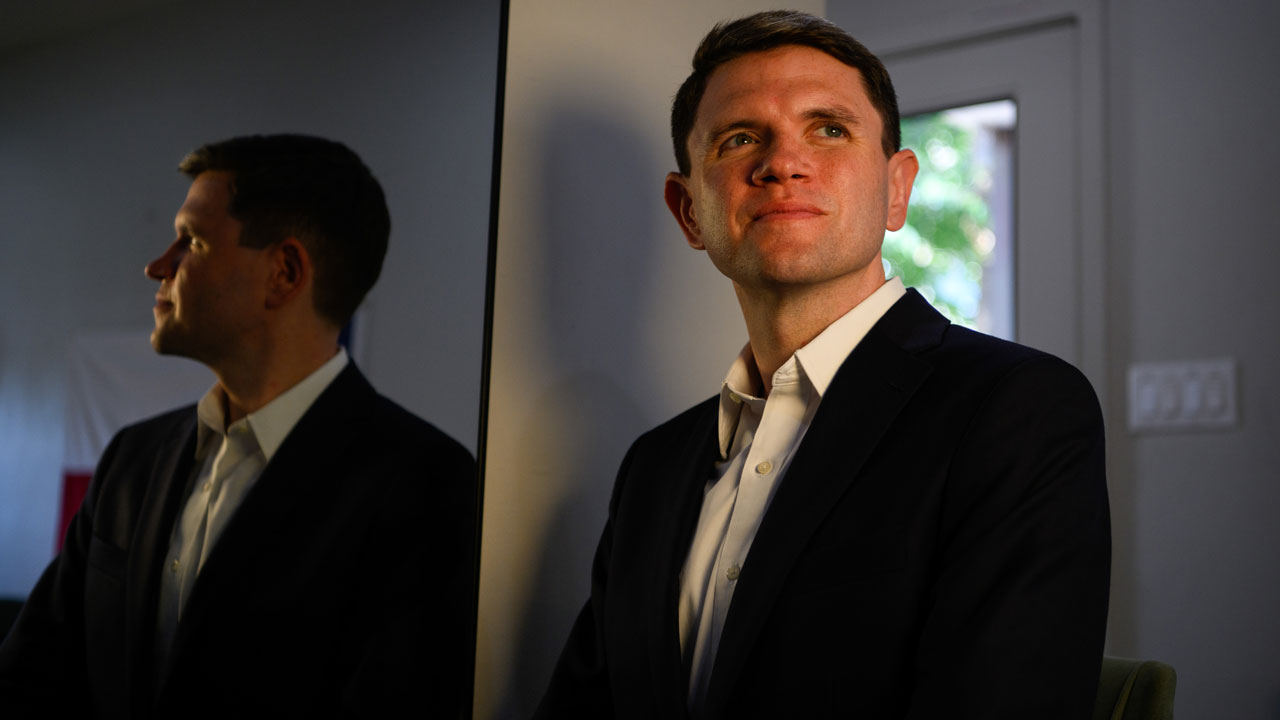
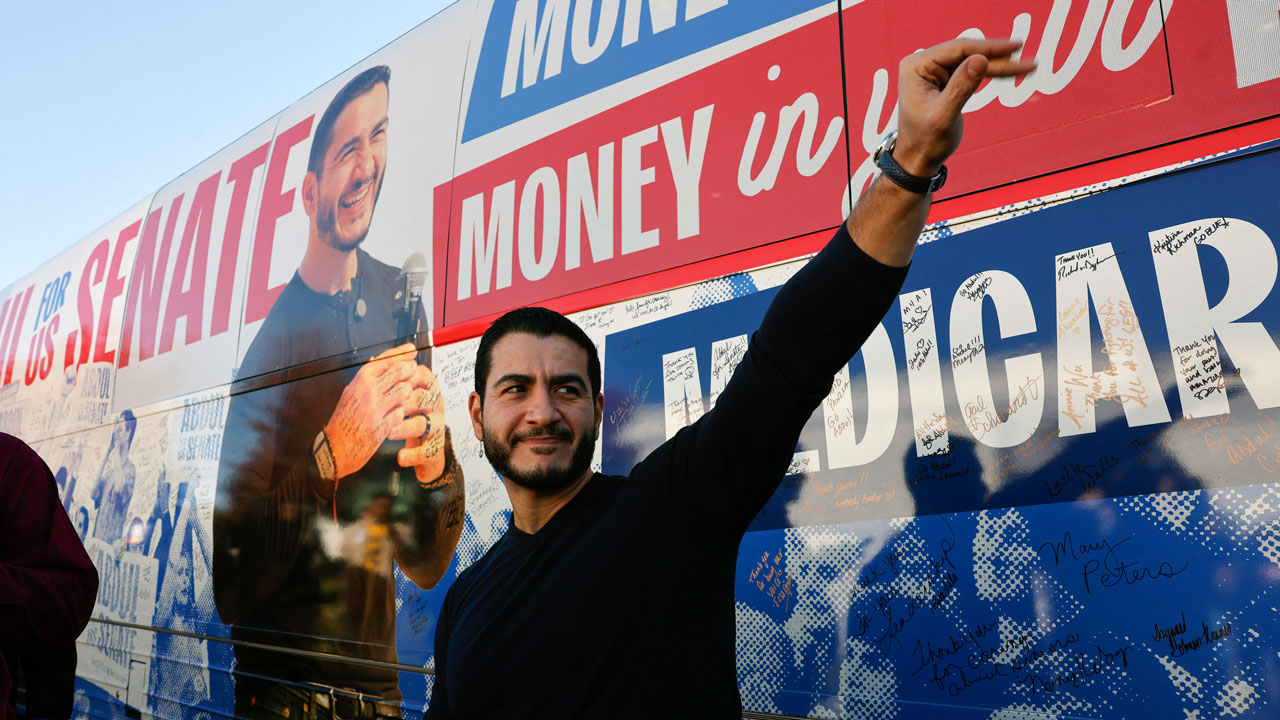
This week Abdul El-Sayed, the Democrat nominee for Senate in Michigan, released a new ad called “Prayer.” In it he tells voters he prays every day and that “Faith is a thing there’s just too little of in Washington.”
Let me be clear: I do not question Mr. El-Sayed’s faith, and I take him at his word that he is a man of prayer and he, as an American Muslim, deserves the same religious liberty we Catholics have fought to protect for two centuries.
What I question is something else. El-Sayed has repeatedly answered fair questions with false equivalences, and he has put Catholics and our Church at the center of them.
The First False Equivalence
Asked on national television about sharia, El-Sayed answered: “Nobody is trying to push sharia law on anyone else, just like I hope nobody is trying to push canon law on anybody else.”
It sounds even-handed. It is not.
The Code of Canon Law is the internal legal order of the Catholic Church. It governs how the Church administers sacraments, organizes dioceses, and disciplines its own clergy. It makes no claim over the criminal code of any nation. It does not bind non-Catholics. A faithful Catholic can live a lifetime of virtue without ever opening it.
Classical sharia is a different kind of thing. Many American Muslims understand it as a matter of personal devotion, and that is their right. In its historic jurisprudence, though, sharia is a comprehensive legal order. It reaches into family law, criminal punishment, and the governance of the state. That is why it is written into the constitutions of several nations, and canon law is written into none.
One can respect both traditions and still see that they are not the same. A Senate candidate should know the difference. If he does know it, he should not blur it to win an argument.
The Second False Equivalence
Pressed about reports of his family’s ties to the Muslim Brotherhood, El-Sayed compared himself to John F. Kennedy, whose Catholicism was treated in 1960 as a threat to his loyalty.
The comparison fails on two counts.
First, Kennedy was questioned about his Church. No one serious is questioning El-Sayed’s religion. The questions concern a specific political movement. The Muslim Brotherhood’s ideology helped give rise to some of the most violent Islamist groups of the past century, and several of America’s own allies in the Middle East have outlawed it.
The Catholic Church never threatened the physical safety of the American people. To place the two side by side is not a defense. It is a disservice to the Catholics who once endured that suspicion.
Second, Kennedy met the questions head-on. He stood before a room of skeptical Protestant ministers in Houston and told them plainly: “I do not speak for my Church on public matters, and the Church does not speak for me.” He did not call his questioners bigots or interrogate them for asking him questions about his faith. He simply answered them.
El-Sayed’s half-sister wrote publicly that their mother and family were long active in the Brotherhood in at least a half dozen X posts. He calls her posts “hearsay.” When a Michigan voter named Tommy asked him point-blank whether he would disavow the Muslim Brotherhood, El-Sayed answered “Sure, yeah, absolutely, but…” and then proceeded to put Tommy on trial for his beliefs as though he were running for Senate, which left Michiganders still waiting for one plain sentence with no qualifiers: “I disavow the Muslim Brotherhood.”
The Company He Keeps
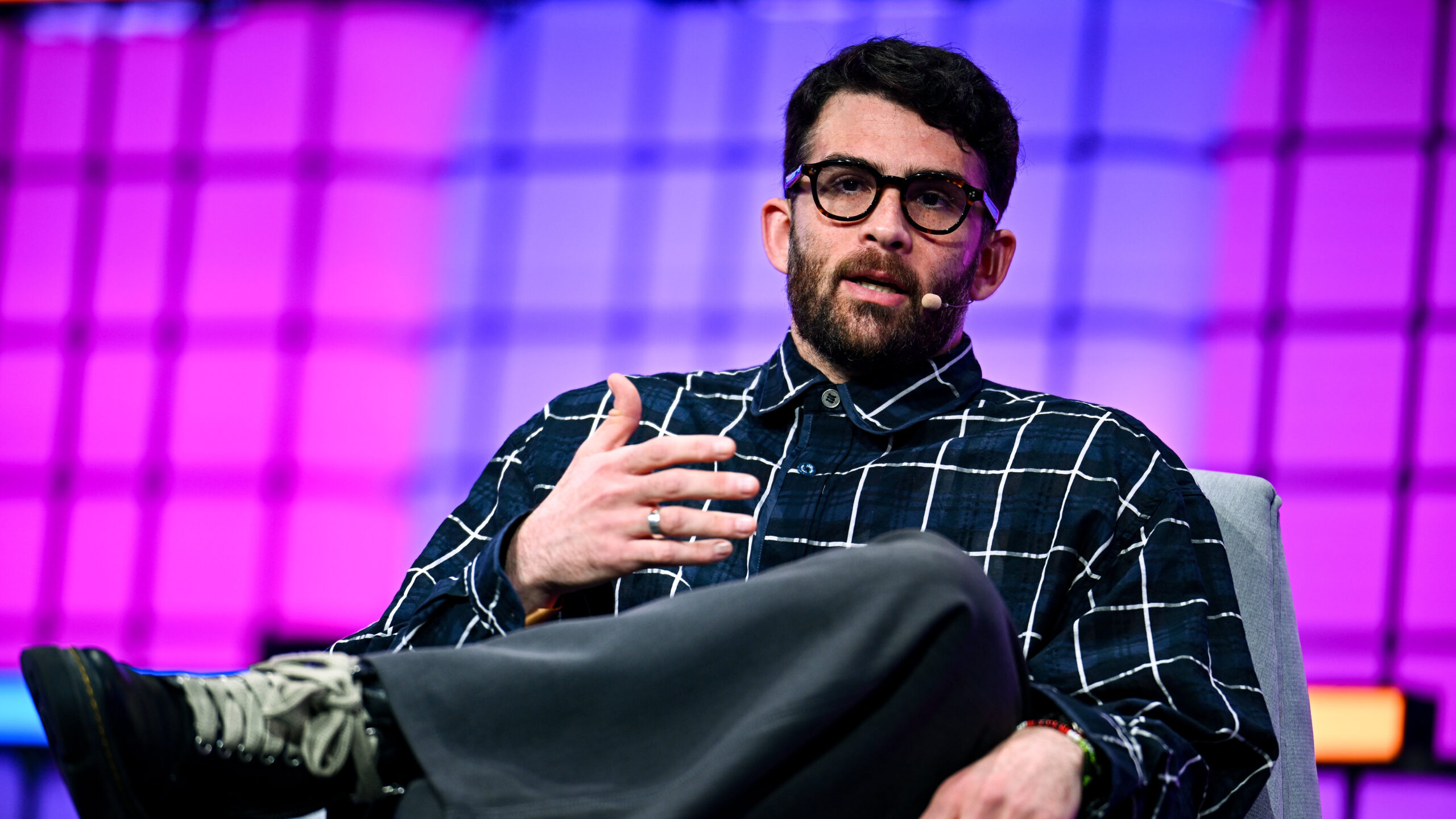
Before the primary, El-Sayed campaigned alongside Hasan Piker, a streamer who once told his audience that “America deserved 9/11.” El-Sayed has called that remark “dumb.”
Dumb? The greatest tragedy in America since Pearl Harbor, and one of the most horrific acts of mass killing in recent history. Just dumb?
Shouldn’t Americans be concerned that even his attempt to mitigate Hasan’s position as dumb undersells the evil committed by Islamic terrorists? No one has been able to extract from him a plain and simple condemnation of radical Islam on any score.
And that isn’t the only thing Piker had to say. He also called Mao Zedong, who murdered 60 million people, a hero; reminisced for the time to return to the lynching of African Americans; and called for crowds of socialists to murder capitalist pigs in their blood.
Catholics and other Michiganders are not wrong to notice, and noticing it is not prejudice but an act of reasonable judgment. As St. Paul says, “Do not be led astray: ‘Bad company corrupts good morals.’”
Questions Are Not Attacks
What concerns me most is the pattern. Journalists from across the spectrum have asked El-Sayed about these matters, conservative outlets and mainstream networks alike. Too often he has met them with irritation and accusation instead of answers.
A man who wants a seat in the United States Senate should welcome scrutiny. He is asking for the trust of every citizen in his state, including those who do not share his faith.
His faith is not on the ballot, but his candor and judgment are. And when the man asking for a Senate seat answers hard questions with false comparisons and wounded anger, we can honestly conclude that he is just not ready for the office.
Kennedy understood that a candidate earns trust by answering. Michigan deserves no less. El-Sayed is not answering; he is systematically deflecting. That is a very bad sign. Too bad of a sign to trust him to represent Michigan.
Continue reading...
[ H/T The Daily Signal ]