
The Political Supreme Court: A Forgotten History by Rachel A. Shelden (The University of North Carolina Press)
***
In her excellent new book, The Political Supreme Court: A Forgotten History, professor Rachel Shelden closes with Chief Justice John Roberts’ insistence that “you don’t want the political branches telling you what the law is,” and that public opinion should not guide the court’s decisions.
That will likely sound quite familiar: it is how we have come to think about the Supreme Court. But Shelden’s history shows that the 19th century court and the way Americans perceived it were very different. Indeed, the modern idea of the detached judge, the justice as apolitical “umpire,” is not nearly as originalist as we tend to assume.
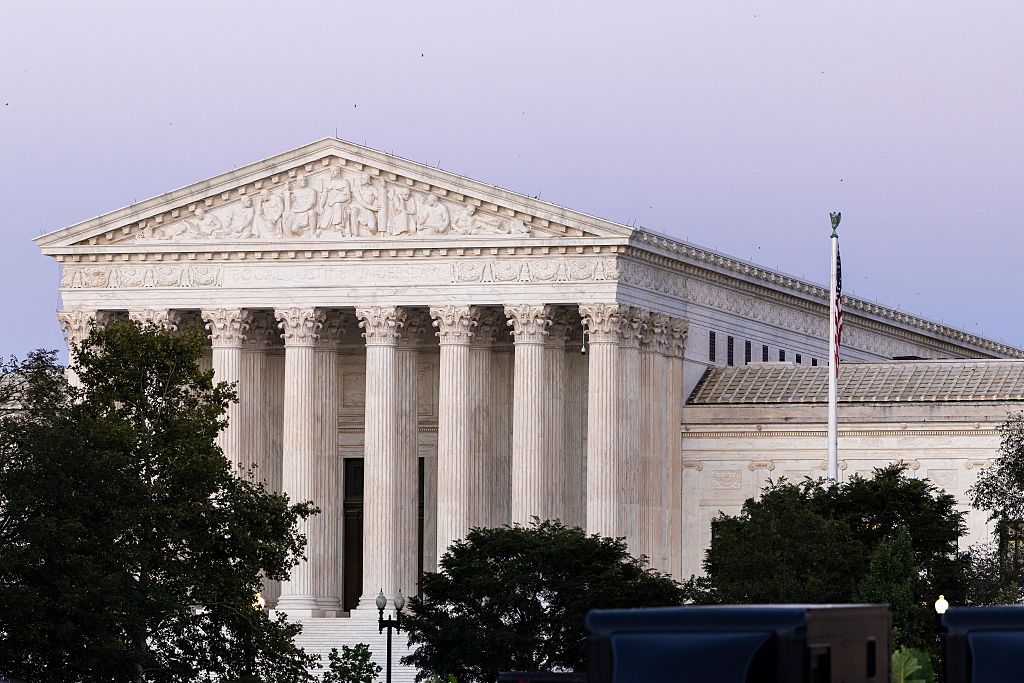
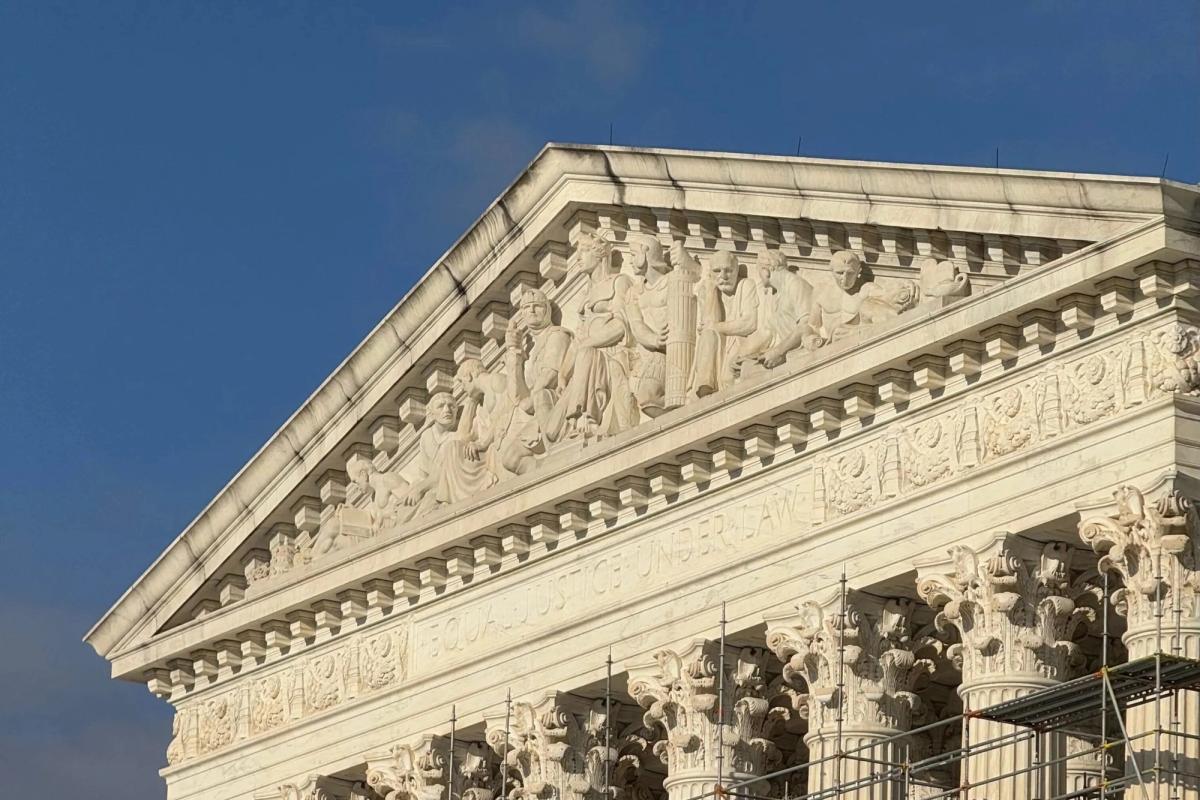
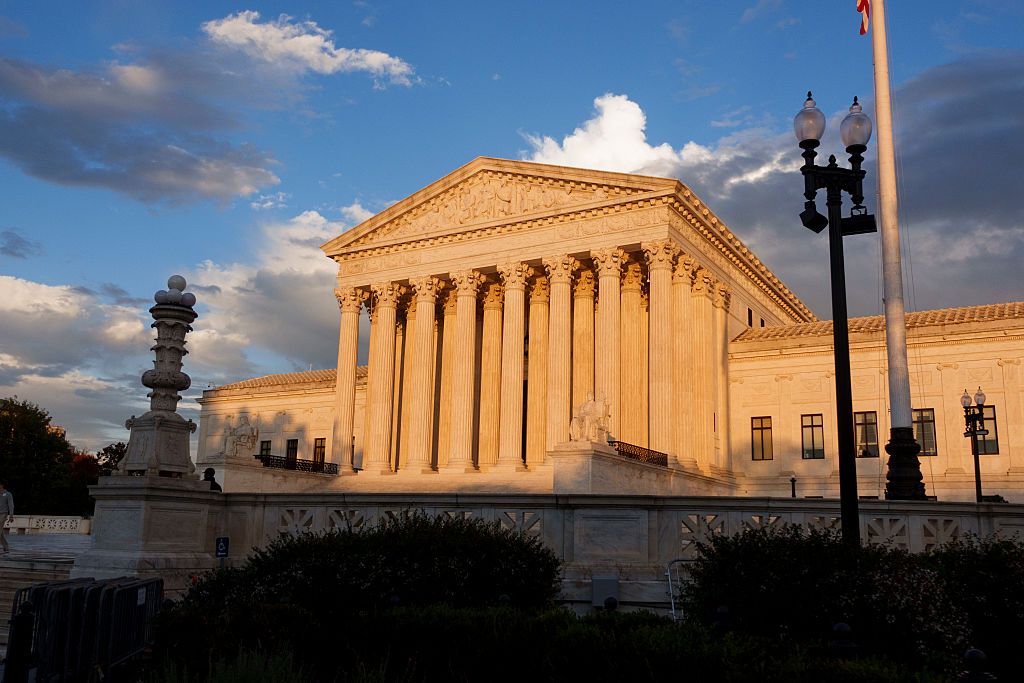
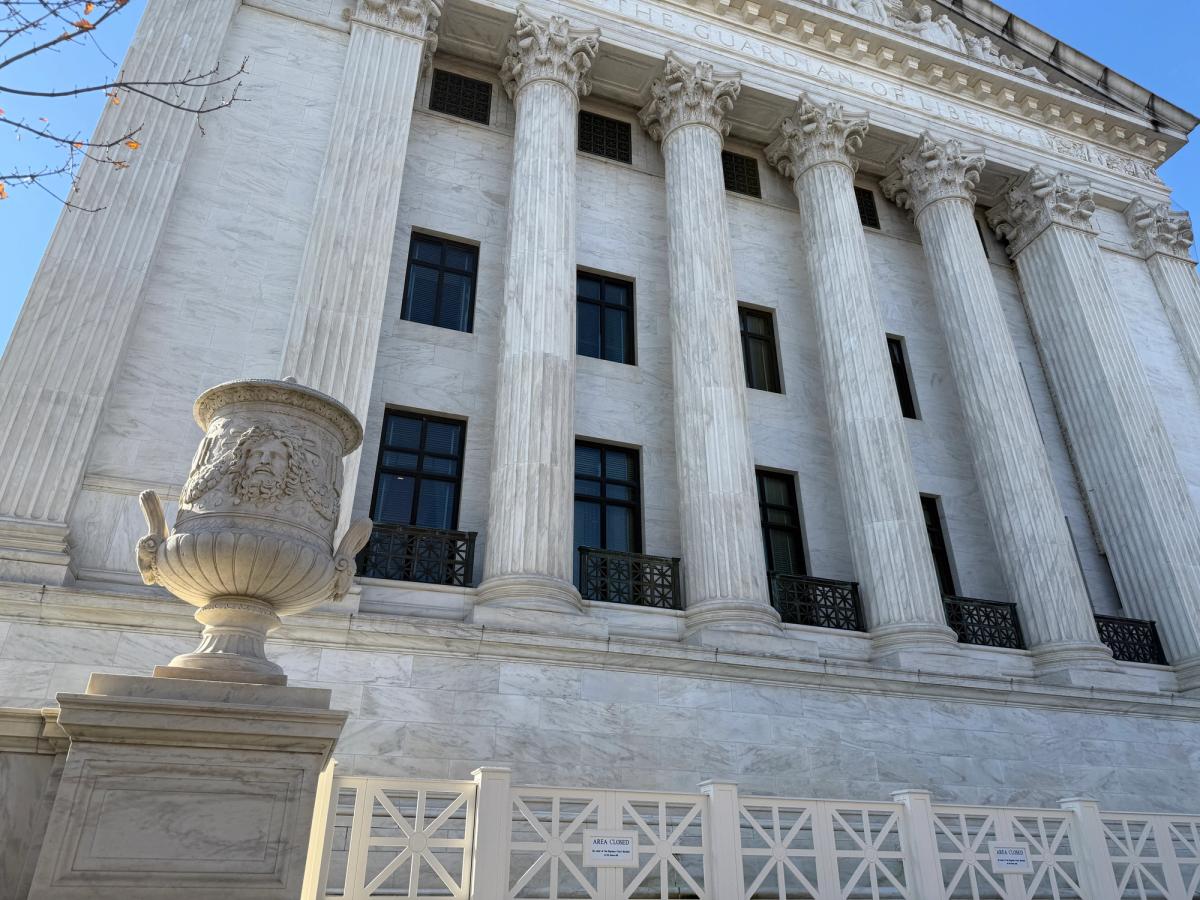
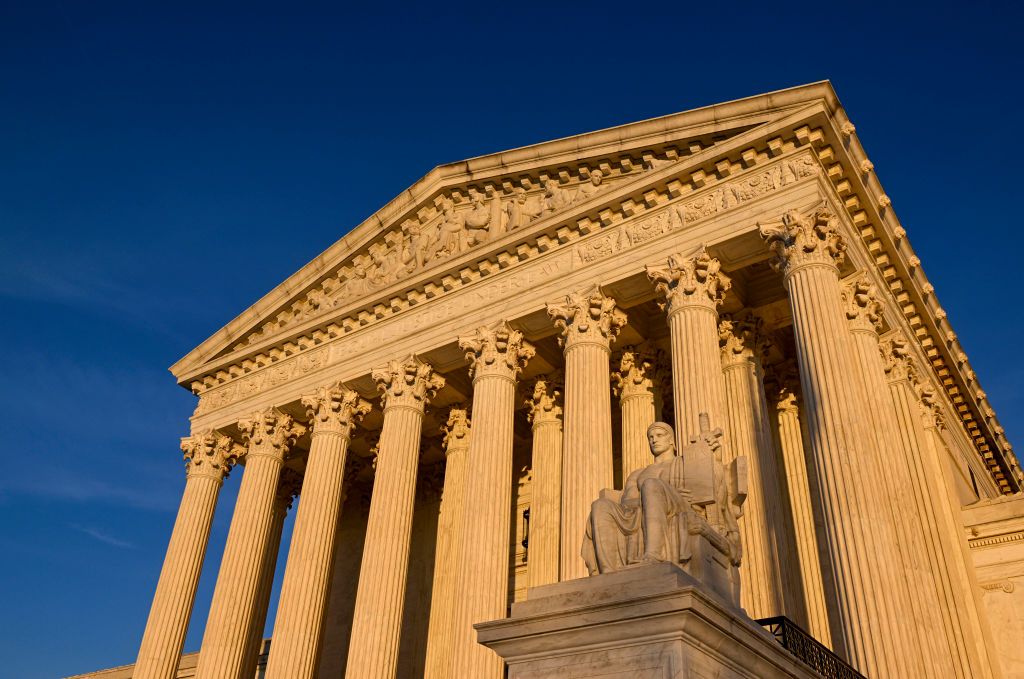
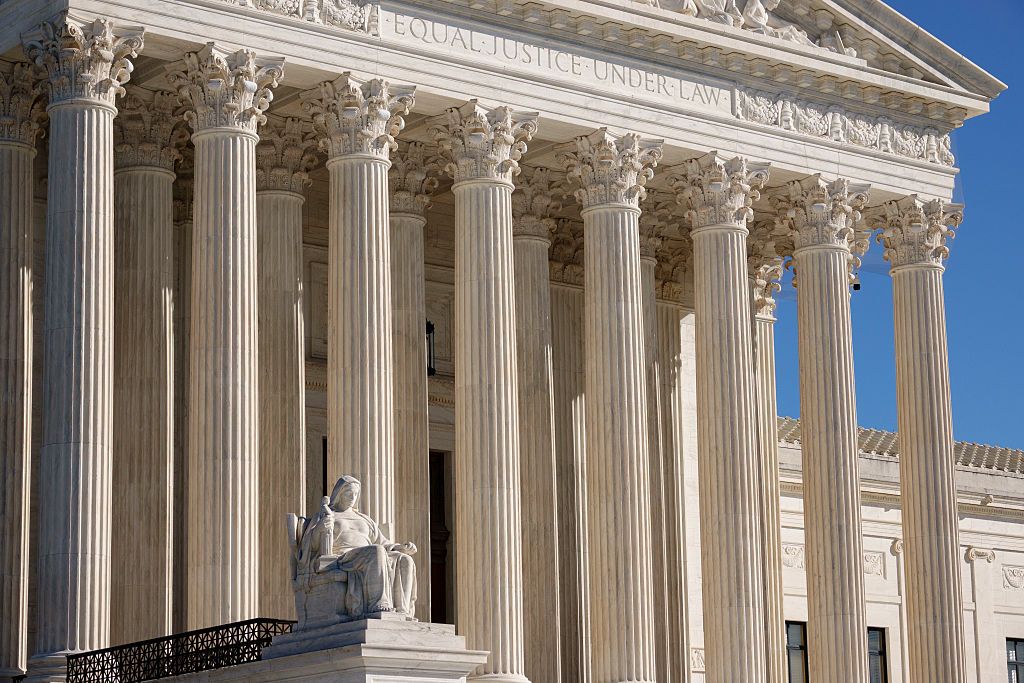
Shelden opens with Abraham Lincoln arguing before the court in 1849. The court that Lincoln and his fellow members of the bar knew was not the marble institution, removed from ordinary political life, that we picture today. For example, the justices “rode circuit.” Each was assigned a region, generally the part of the country from which he hailed and in which he traveled through to preside over federal trial courts. This brought the justices into regular contact with local lawyers, officials, and communities.
Shelden calls this “judicial representation”: the idea that a justice would bring a region’s perspective to the court because he knew the people he impliedly represented. Although today’s justices are assigned to a circuit, typically the circuit to which they have ties geographically, the concept is now decidedly different; except at certain prescheduled events, justices no longer directly communicate with the people in that circuit as part of their duties, but handle applications from it in the corridors of the marble palace. “Judicial representation” is most definitely no longer a thing.
But this just scratches the surface of the differences that Shelden lays out. In the 19th century, the justices were active participants in the political debates of their time, in ways that today would not only be grounds for profound criticism but even potential impeachment.
Chief Justice John Marshall was himself an active participant in such discourse. In 1800, before becoming chief, Marshall began contributing to the Washington Federalist, a newspaper established to support President John Adams and later oppose Thomas Jefferson. Marshall’s involvement was so extensive that he became known as the brains behind the paper. Nor did his appointment to the court entirely sever his connection to it. Elias Caldwell, the Supreme Court’s clerk during Marshall’s tenure, subsequently became its proprietor. The paper remained staunchly Federalist under Caldwell’s leadership, regularly attacking the Jefferson administration’s policies as unconstitutional.
Marshall’s political opponents suspected that he continued to exert considerable influence behind the scenes at the Washington Federalist even as chief justice, directing those attacks. Indeed, the Philadelphia Aurora, a newspaper aligned with Jefferson, described Caldwell as “a creature of John Marshall, chief justice.” Shelden casts doubt on Caldwell’s denial of Marshall’s involvement. And given that Caldwell was Marshall’s own clerk at the Supreme Court, you can understand the skepticism.
Justice William Johnson provides another example. In 1823, Johnson ruled (in his lower-court circuit-riding role) that South Carolina’s Negro Seamen Act, which authorized the detention of free Black sailors arriving in Charleston, violated the Constitution. Local officials were furious and refused to publish his opinion in the newspapers. So Johnson took his argument directly to the public, putting his opinion in a pamphlet that was circulated around the country, and then supporting the decision via pseudonymously authored op-eds that submitted his interpretation of the Constitution was correct.
Nor were the justices’ newspaper writings limited to defending their decisions. In 1848, Justice John McLean published letters addressing such political issues as the national bank, taxation, infrastructure, and the Mexican-American War, all while his supporters were encouraging him to pursue the presidency.
And in 1859, Justice John Catron publicly opposed proposed Tennessee legislation that would have enslaved free Black residents who remained in the state. Catron used his connections at the Nashville Union and American to publish a letter criticizing the legislation. The newspaper’s editors attacked his position, producing a public back-and-forth in its pages. Catron’s letter was even reprinted in Missouri, where similar legislation was under consideration. Tennessee ultimately rejected the proposal, and Shelden suggests Catron’s intervention may have mattered.
To put this in perspective, such actions would be akin to Justice Clarence Thomas writing an opinion piece in The Wall Street Journal defending the Republican Party’s position on disputed legislation, or Justice Elena Kagan publishing an article in The New York Times supporting a Democratic president’s legislative agenda.
Yet the justices’ political involvement went well beyond expressing opinions publicly. Some actually ran for elected office while continuing to serve on the court.
Shelden recounts the example of Justice Smith Thompson, who accepted the nomination for governor of New York in 1828 while a justice. Thompson ultimately lost to Martin Van Buren by more than 30,000 votes. After losing the election, Thompson simply continued serving on the court, where he remained for another 15 years.
Justice McLean, meanwhile, was discussed as a potential presidential candidate in the 1830s, with political allies contemplating his nomination even as he continued hearing cases. Indeed, both McLean and his colleague, Justice Levi Woodbury, would later emerge as presidential contenders in 1848.
Justice William Johnson, appointed by President Thomas Jefferson, actually won election as a commissioner of the poor in Charleston Neck, South Carolina, in 1826. In this role, he exercised authority over local taxation, patronage, and public resources. Johnson held this elected position, and won reelection, while continuing to serve on the Supreme Court.
Again, by way of comparison, imagine Justice Ketanji Brown Jackson declaring herself a candidate for the 2028 presidential election – while continuing to decide cases and write opinions. Or contemplate Justice Neil Gorsuch simultaneously holding an elected local government office with taxing authority.
Just as notable was the willingness of justices to involve themselves directly in the work of the other branches of government. In doing so, they corresponded with presidents and members of Congress about public policy. They even offered advice on legislation and, in some instances, helped craft it.
During Reconstruction, Chief Justice Salmon Chase pressed President Andrew Johnson on Black suffrage and used his political relationships to influence Reconstruction policy. For his part, just a few years earlier, Justice John Campbell of Alabama sought to influence President-elect Lincoln to issue a public statement reassuring Southern moderates that his administration would not interfere with slavery in their states. Campbell even offered to publish a letter in his own name, as a citizen of Alabama, to help create an occasion for Lincoln to make such a statement.
When Lincoln declined to act, Campbell turned to President James Buchanan. He urged Buchanan to send commissioners to the secession conventions to persuade the delegates to preserve the Union. Campbell’s efforts ultimately failed. But consider what he was doing: a sitting Supreme Court justice was privately advising both an incoming and an outgoing president about how to address the most consequential political crisis in the nation’s history.
Now imagine Chief Justice John Roberts privately consulting with President Donald Trump about birthright citizenship, or Justice Sonia Sotomayor advising former President Joe Biden about his unconstitutional student loan forgiveness program and how it could be fixed.
In the dénouement of the book, Shelden traces how the political world of the justices changed as the 19th century drew to a close. Circuit riding ended, the legal profession grew more formal, and the court became more centered in Washington. As the country marked the Constitution’s centennial, lawyers and judges helped tell a new story of the court, one that made political detachment seem like some sort of longstanding tradition. (To be fair, this did not bring such political involvement to an immediate end.)
If I have one criticism of Shelden’s otherwise excellent work, it is that she doesn’t explore this transformation in nearly the same depth as she does the earlier history. How, exactly, did the justices (and their fellow Americans) come to accept a view of the court so different from the one they had held for much of the 19th century, and which we hold today? That is a fascinating question in its own right, and perhaps the worthy subject of a follow-up volume.
Regardless, Shelden’s history offers a challenge to today’s justices, as well as to proponents and critics of the modern court. Nineteenth-century justices participated much more freely in political life, while today’s justices insist that they must stand apart from politics, even as many Americans cast a dubious side eye upon that claim. Was it better when justices did not deny the political world they inhabited and were a part of? And can the way we look at the court, and the way the justices see themselves, change again? I don’t think the answers are obvious. But Shelden’s book made clear to me that a reflexive dismissal of such questions is based more on historical ignorance than any fixed tradition of the Supreme Court as appearing apolitical.
Continue reading...
[ H/T SCOTUSblog ]