

The tragic deaths of two University of Mississippi students should serve as another wake-up call for America. Dangerous synthetic substances are increasingly reaching unsuspecting consumers through deceptive marketing, unregulated products, and sophisticated international supply chains run by greedy transnational criminal networks.
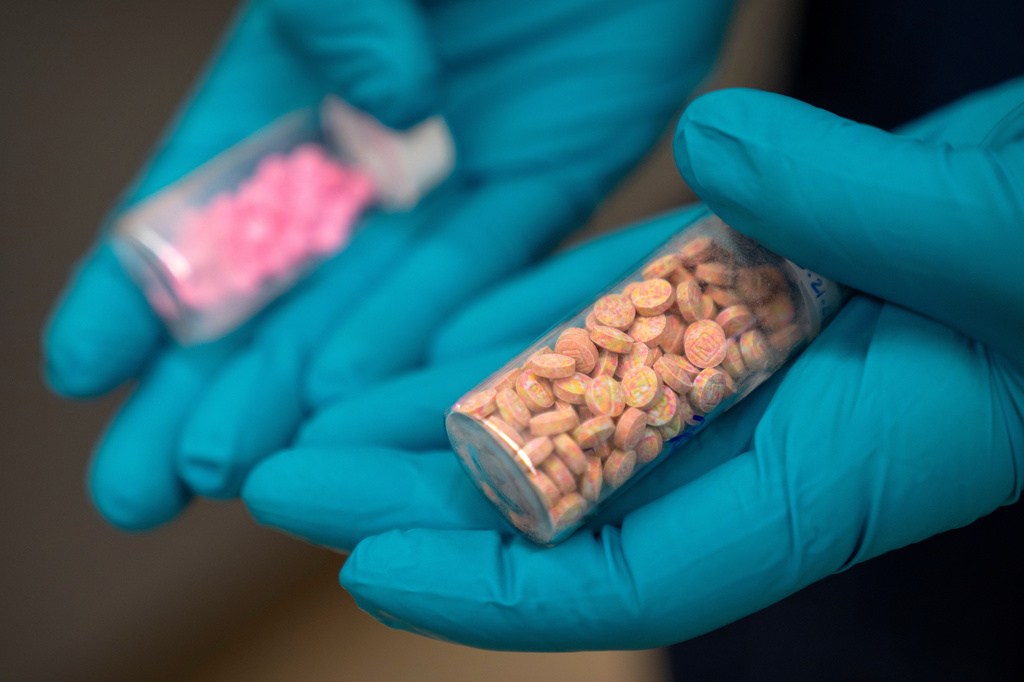
What happened is not an isolated tragedy. It is part of a much larger and evolving threat that has been building for years. From synthetic cannabinoids and fentanyl to nitazenes, kratom products of questionable origin, counterfeit pills, and illicit vaping products, criminal organizations continue to exploit America’s vulnerabilities while putting public health and safety at risk.
After 28 years with the Drug Enforcement Administration, including serving as acting administrator and director of the Special Operations Division, I have witnessed firsthand how transnational criminal networks exploit America’s vulnerabilities.
The chemicals change. The packaging changes. The trafficking methods evolve. But the criminal business model remains the same: maximize profits while disregarding the devastating consequences for American families.
For decades, China-based chemical suppliers have played a significant role in the global synthetic drug trade. From precursor chemicals used to manufacture methamphetamine to synthetic cannabinoids such as K2 and Spice, bath salts, and eventually fentanyl, these supply networks have repeatedly adapted to changing laws and enforcement pressure.
Chinese chemical suppliers and Mexican cartels have helped fuel a deadly fentanyl trafficking pipeline. Today, emerging synthetic opioids, including nitazenes, and increasingly concentrated or chemically modified kratom-related products present additional challenges for law enforcement and public health officials.
America is confronting an evolving synthetic drug threat that extends far beyond fentanyl.
One particularly troubling development is the proliferation of unauthorized vaping products and other questionable substances sold through convenience stores, gas stations, smoke shops, and online marketplaces.
Colorful packaging, appealing flavors, and reassuring promotional claims may create the misleading impression that these products are safer than they are. Consumers may have limited knowledge of the chemicals these products contain, their origins, or the potential health risks they present.
In September 2025, federal authorities announced the seizure of approximately 4.7 million unauthorized electronic cigarettes valued at $86.5 million. Almost all the illegal shipments identified during that operation originated in China. Authorities reported deceptive shipping descriptions and inaccurate valuations intended to circumvent import controls.
Unauthorized vaping products, synthetic opioids, and concentrated kratom-related substances are not identical threats, and their risks must be evaluated separately. However, the use of deceptive marketing, questionable supply chains, and illegal distribution practices warrants aggressive investigation.
This is not simply a drug enforcement problem. It is a challenge for public safety, public health, and national security.
International criminal networks increasingly exploit global commerce, digital communications, complex financial systems, and weaknesses in regulatory enforcement. Disrupting individual shipments or arresting street-level distributors is not enough.
We must identify the manufacturers, chemical suppliers, importers, distributors, financial facilitators, and domestic businesses knowingly enabling illegal activity. The United States also needs greater accountability and meaningful cooperation from China in targeting chemical suppliers and criminal financial networks implicated in the illicit drug trade.
But enforcement alone will never solve this crisis.
We must attack both the supply and demand sides of the problem with equal urgency.
Mandatory, age-appropriate drug education in schools should become a national priority. Young Americans need accurate, compelling information about counterfeit pills, dangerous synthetic substances, illicit vaping products, and the growing risks associated with an unpredictable illicit drug supply.
We should also recruit professional athletes, entertainers, celebrities, and influential social media personalities to deliver lifesaving messages on the platforms young people use every day.
At the same time, we must expand access to treatment, recovery services, and evidence-based prevention programs for those struggling with substance use disorders.
For nearly two decades, I have watched dangerous synthetic substances emerge, spread, and evolve faster than our traditional response systems.
We cannot continue playing an endless game of chemical whack-a-mole while American families suffer devastating losses. The illegal chemical imports are often from the same criminal ecosystem.
The deaths at Ole Miss are another painful reminder that these dangers can reach any community, any campus, and any family.
TRUMP ADMINISTRATION CRACKS DOWN ON CHINA-NVIDIA CHIPS LOOPHOLE
America needs a coordinated national strategy that combines aggressive international enforcement, supply-chain accountability, mandatory education, and meaningful treatment and recovery resources. The safety of our children, our communities, and our nation depend on stopping the flow of illicit substances and illegal products coming from China and other foreign countries before more lives are lost.
We owe it to the families who have lost loved ones and to the next generation to act before another tragedy becomes tomorrow’s headline.
Derek S. Maltz is the former acting administrator of the Drug Enforcement Administration. During his 28-year DEA career, he served as director of the Special Operations Division, leading complex international investigations targeting transnational criminal organizations.
Continue reading...
[ H/T Washington Examiner ]