





The Houthis may be discovering something more valuable than another missile or drone: hesitation.
Is the current combination of U.S. restraint, an untested Saudi-Turkish-Pakistani defense pact, and delayed European military involvement leading the Houthis to believe they can keep escalating without paying a sufficiently high price?
That question extends far beyond Washington.
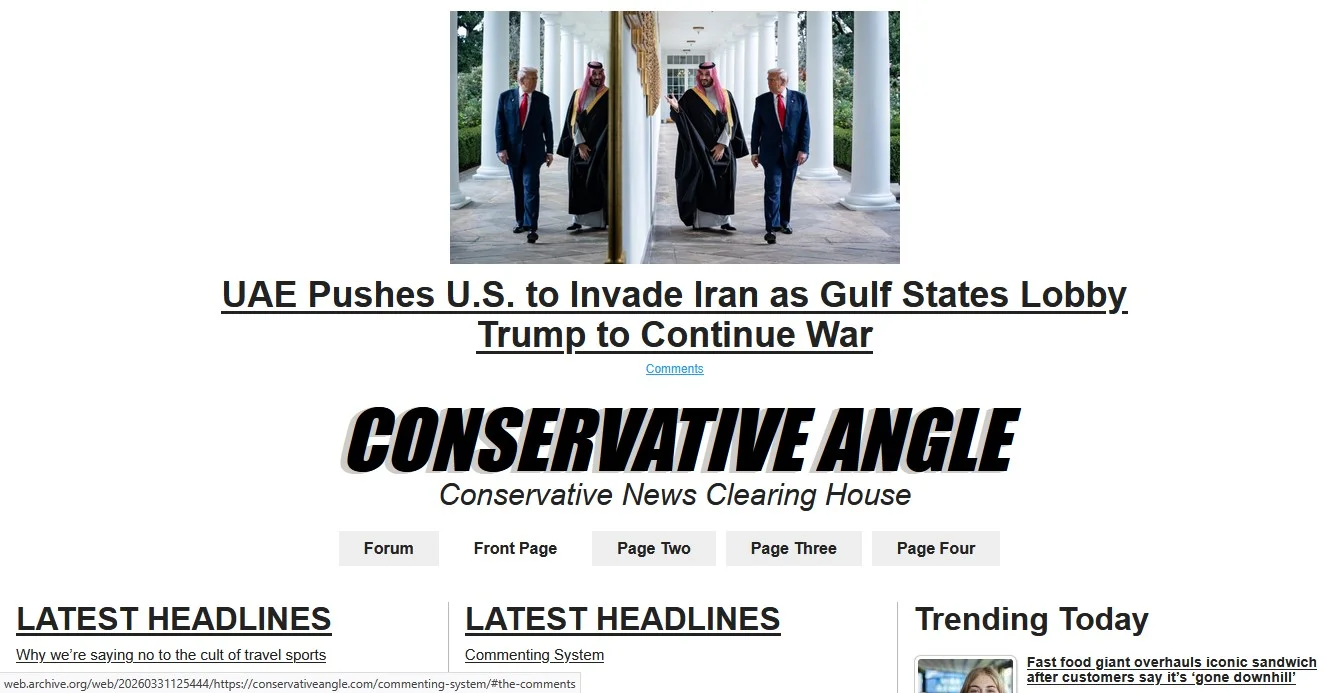
Turkey has said it is prepared to help Saudi Arabia meet military needs under the new Mecca Joint Defence Agreement. Pakistan has reaffirmed the pact, which treats an attack on one member as an attack on all, but has not announced an immediate military response.
Italy, meanwhile, is preparing a possible independent naval mission to protect merchant shipping through Bab el Mandeb after arguing that broader European action has moved too slowly.
None of these countries is eager to enter another Middle Eastern war.
But each is already paying part of its cost.
Saudi Arabia faces the most immediate burden. Houthi missiles and drones have targeted Saudi cities, energy infrastructure, and shipping routes. Disruptions to Saudi oil infrastructure have also shown how quickly a regional conflict can become a global economic problem.
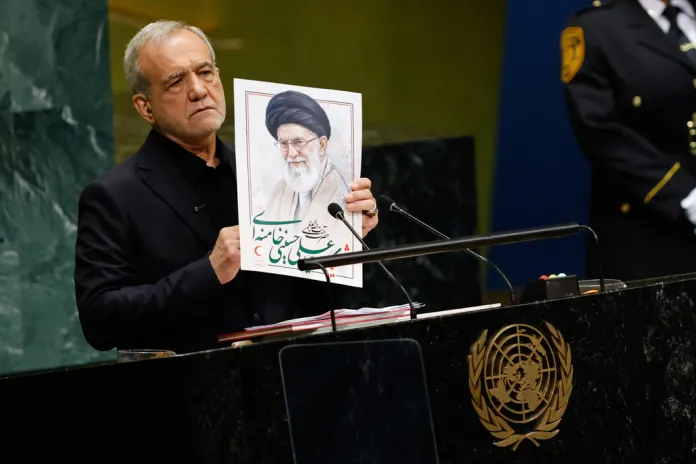
Iran faces a different calculation.
The Houthis give Tehran strategic leverage without requiring Iran to bear each cost directly. Houthi advances in Yemen and attacks around the Red Sea increase pressure on Saudi Arabia and on one of the world’s most important maritime corridors.
But that advantage has limits.
The more Houthi activity threatens global commerce, energy infrastructure, and maritime access, the more governments with no appetite for another regional war acquire an interest in containing one.
China has already privately pressed Iran to help restrain the Houthis after Saudi Arabia sought Beijing’s assistance.
India faces similar exposure through energy imports and maritime commerce.
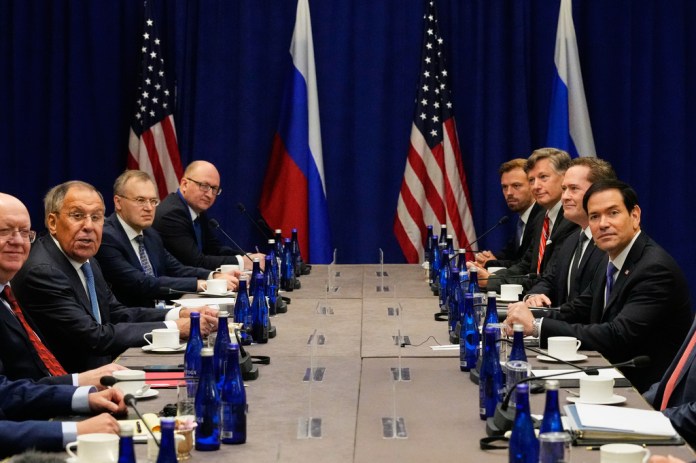
Russia watches from another angle. A prolonged regional crisis complicates Western military planning and consumes American attention, although uncontrolled instability also threatens Moscow’s own interests.
Israel has its own concern: whether Iranian-aligned forces can continue widening regional pressure while avoiding a coordinated response.
The result is an unusual strategic picture.
A Yemeni armed movement is simultaneously testing Saudi defense, Iranian influence, a new trilateral defense agreement, American restraint, European naval resolve, Red Sea shipping, and Asian energy security.
That does not mean every exposed country must enter the same war.
It means each has to decide whether bearing a small part of the defensive burden now is preferable to absorbing a higher strategic and economic cost later.
Those contributions can be limited: missile defense, naval escorts, intelligence, surveillance, counter-drone systems, logistics, and other defensive support.
A coalition does not need every member to fight the same battle.
It needs enough visible participation to convince the Houthis that escalation is not cheap.
That is the missing element.
Intervention does not have to mean invasion.
Deterrence does not require occupation.
But restraint becomes dangerous when it is interpreted as hesitation.
The Houthis may be learning that the countries paying the greatest economic and security costs are still slower to coordinate than the Houthis are to escalate.
If that perception hardens, Iran will notice.
So will Russia, China, and North Korea, each for different reasons.
The lesson would not be that the United States and its partners lack military power.
It would be that collective power takes too long to become credible.
That may be the more dangerous signal.
The risk is no longer simply another Houthi missile or drone.
WHILE TRUMP AND BIBI BOMB IRAN, PUTIN WILL SUBJUGATE EUROPE
It is that restraint begins functioning as time — time to rearm, consolidate territory, test alliances, and prepare for the next round.
At that point, avoiding escalation today may begin increasing the cost of preventing it tomorrow.
Pedro Ordein is a finance and operations professional with more than 30 years of experience in public-sector governance, large-scale project analysis, and institutional decision-making.
Continue reading...
[ H/T Washington Examiner ]