






A Texas execution that was supposed to be a tightly controlled procedure stretched to 63 minutes as the condemned inmate repeatedly cried out in pain and told witnesses something was wrong.
Reinaldo Dennes, 70, was executed Thursday night for the 1996 murder of Houston diamond dealer Janos Szucs. According to the Associated Press, the lethal-injection procedure lasted 63 minutes while prison staff struggled to establish the two intravenous lines needed to administer pentobarbital.
The trouble reportedly began before the lethal dose was given. Witnesses arrived at 6 p.m. but were held outside the chamber for far longer than usual while the execution team searched for usable veins.
Dennes first delivered a brief final statement about his faith and told the warden to begin. Almost immediately afterward, he cried out, complained that his right leg was in severe pain and repeatedly asked God to take him away from it.
He groaned, said, “I don’t think this is normal,” and eventually made a series of snoring sounds that became quieter. The AP reported that he was pronounced dead at 7:08 p.m., making this one of the most unusual Texas executions witnessed by longtime media observers.
The BBC reported that Dennes also said the process was not working as it should. Its account noted that officials acknowledged unsuccessful attempts to find veins but disputed that every pain complaint matched a location where a needle had been inserted.
Veteran AP reporter Michael Graczyk, who has covered Texas capital punishment since 1983 and witnessed nearly 500 lethal injections, described this execution as unlike any he had seen. The IV lines were ultimately placed in Dennes’s left foot and the left side of his neck, the AP reported.
A Texas Department of Criminal Justice spokeswoman said staff followed the required procedures. She also said Dennes complained of pain in places where the team had not attempted to insert a needle, raising the possibility that some of his reaction was exaggerated.
The Texas Tribune reported that Dennes was pronounced dead at 7:08 p.m. His spiritual adviser, the Reverend Jeff Hood, called the execution botched and said it was the worst of the 15 executions he had witnessed.
Hood said Dennes complained that his leg felt as though it were burning and repeatedly insisted something was wrong. He argued that an inmate receiving pentobarbital normally loses consciousness quickly, making the prolonged response especially alarming.
TDCJ did not accept that characterization. An agency spokeswoman said the execution team followed protocol, acknowledged difficulty finding a suitable vein and suggested that Dennes may have exaggerated some complaints because he described pain in areas where no insertion had been attempted.
There is no mystery about why Dennes was on death row. The state’s official inmate record says he murdered and robbed Szucs in his office on January 24, 1996, and shot an unarmed security guard who survived and later identified him.
Dennes was 39 at the time of the crime and had worked as a jewelry designer. TDCJ lists three co-defendants and says Dennes had no prior prison record before he was convicted of capital murder.
The AP reported that the robbery involved approximately $3.6 million in diamonds. Dennes received his death sentence in 1997 and spent nearly three decades on death row before Thursday’s execution.
The surviving guard’s identification was central to a case involving a murdered businessman, a wounded employee and an enormous diamond haul. Those facts do not resolve the separate question now raised by witnesses about how the state carried out the sentence.
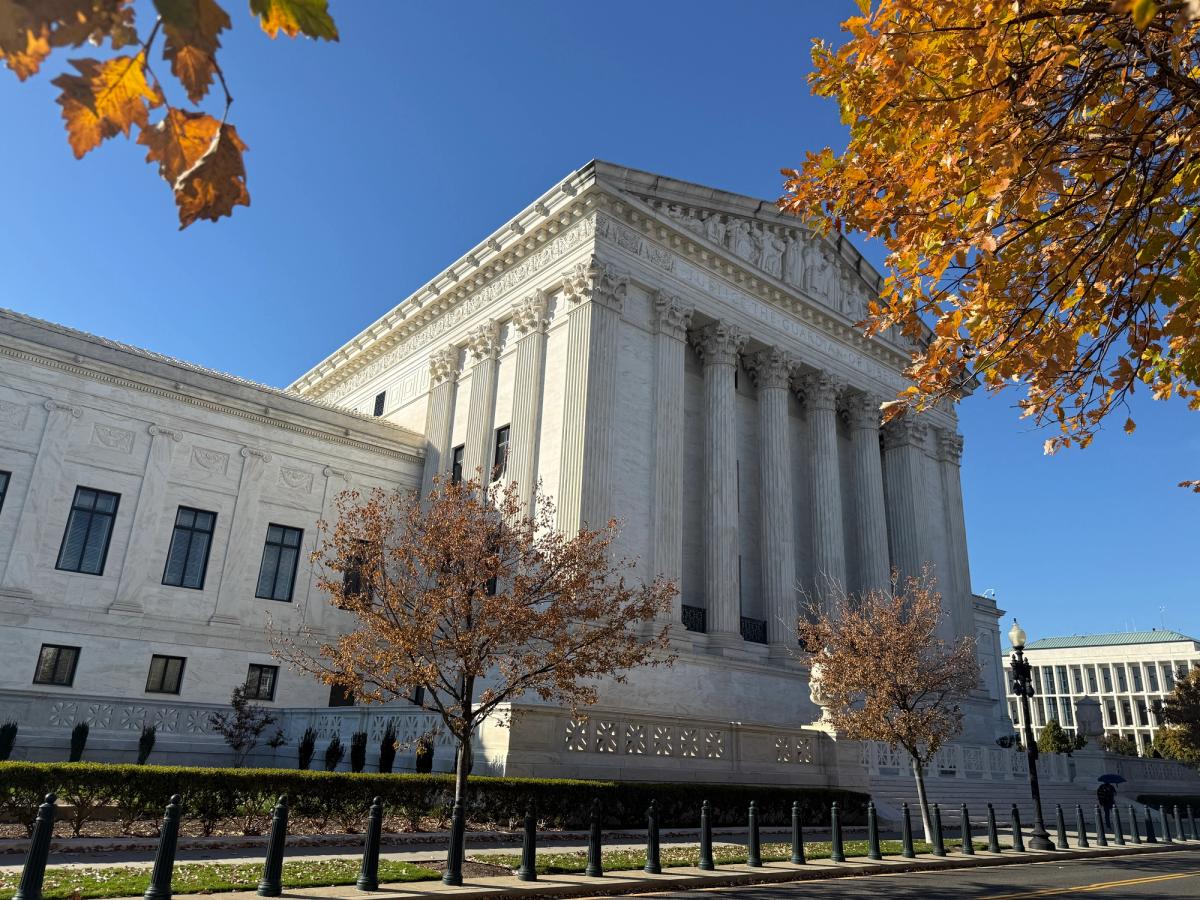
His final attempt to stop the execution also failed. The U.S. Supreme Court denied his application for a stay on November 19.
The episode comes only weeks after Tennessee’s failed attempt to execute Christa Pike, who survived two doses of pentobarbital. Her lawyers said the drug may have pooled in her arms instead of entering her bloodstream correctly.
Pentobarbital has faced renewed scrutiny over whether it can cause unnecessary pain when an IV line fails. A Biden-era federal review raised that concern, although individual states remain free to choose their own execution protocols.
Whatever one’s position on capital punishment, the state assumes a serious obligation when it carries out a death sentence. A procedure that lasts more than an hour while the inmate screams and experienced witnesses say something is badly wrong demands a full accounting.
Continue reading...
[ H/T WLT Report ]


