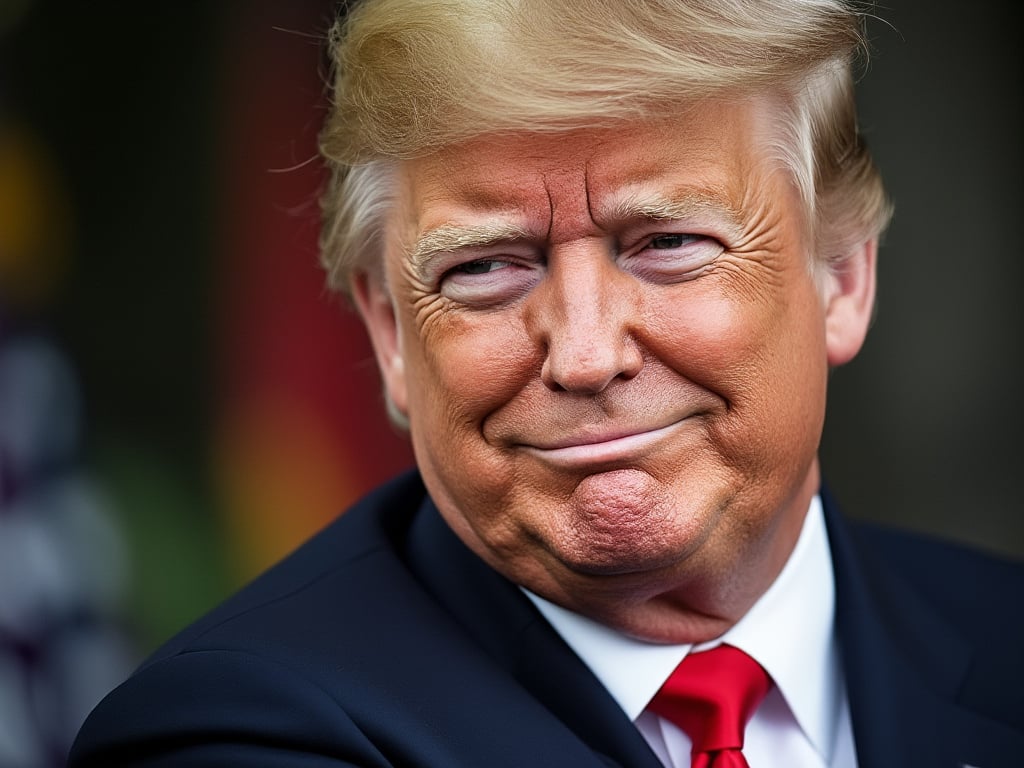
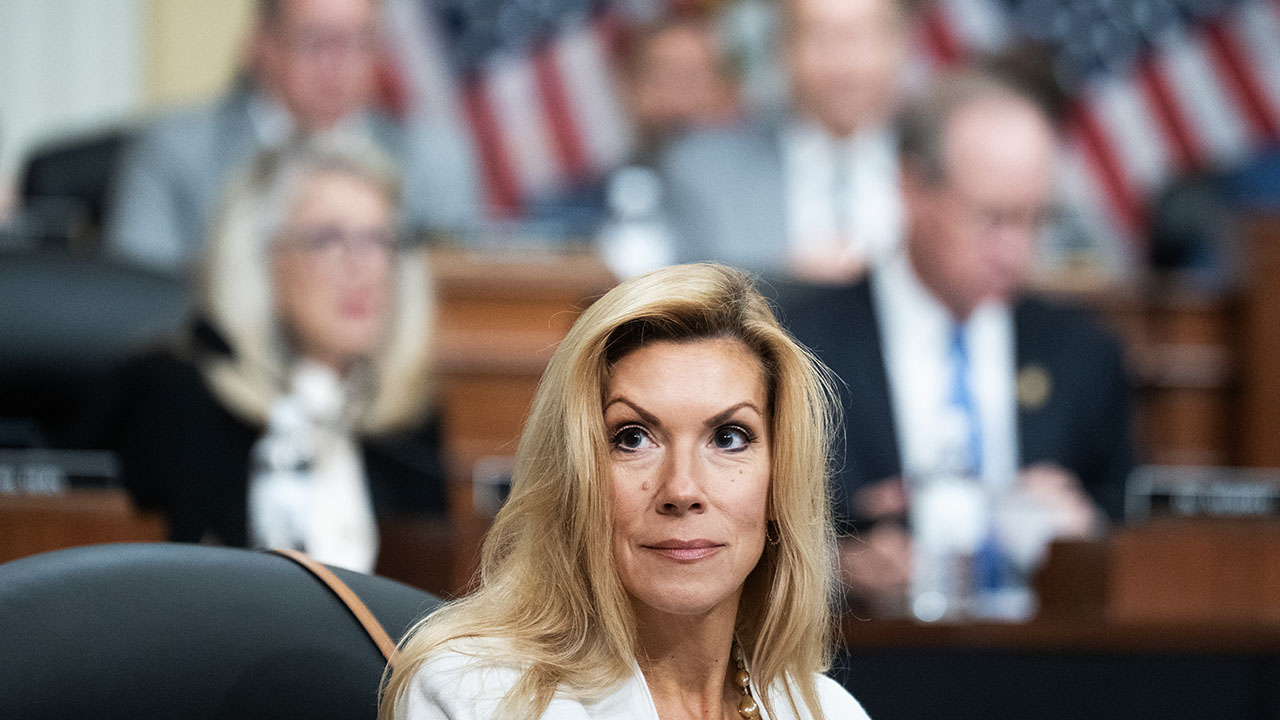
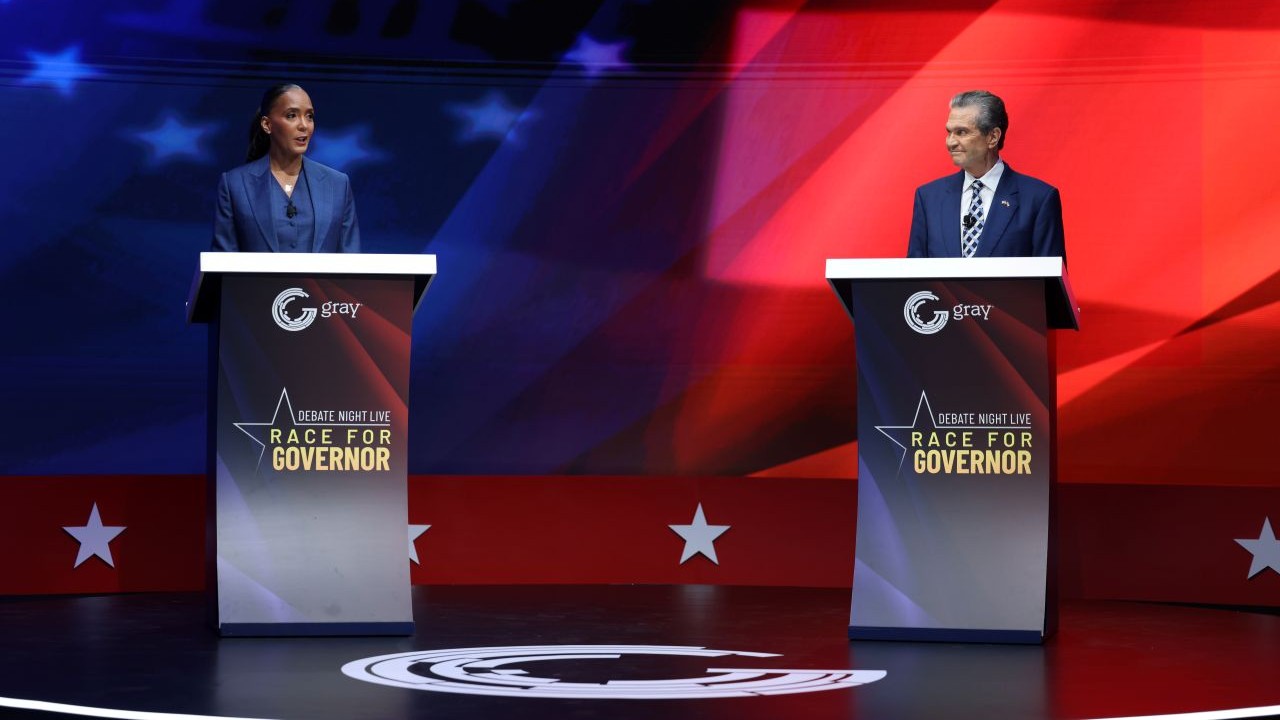




Susan Collins walked onto a must-win debate stage Tuesday night and tried to sell Maine voters on one message above all others: she is a Republican, but please do not confuse her with President Donald Trump.
That may be a familiar routine from the five-term senator. This time, however, she performed it with control of the United States Senate hanging in the balance.
Asked whether she would welcome Trump to campaign with her in Maine, Collins would not give a direct yes or no. She instead told voters that she is “not exactly his favorite senator” and stressed the times she has opposed his agenda.
That answer told Republican voters quite a lot.
CBS13 and FOX23’s full debate broadcast showed Collins and Democrat Troy Jackson battling over tariffs, healthcare, abortion, the Iran war and each candidate’s record. It was the first of four scheduled debates in one of the most consequential Senate races in the country.
Collins’s political problem is obvious. Maine rejected Trump in all three of his presidential campaigns, but she cannot win a general election without a huge share of the Republican voters who support him.
So she is trying to run two campaigns at once.
To moderates, she presents herself as the independent senator who restrains Trump. To Republicans, she points to the moments when she helped move the President’s agenda, confirmed his nominees and used her seniority to deliver federal money to Maine.
Jackson’s entire strategy is to make that balancing act impossible.
He repeatedly tied Collins to Trump when it suited him, then accused her of hiding behind letters and carefully timed objections when Trump became unpopular with Maine voters.
The sharpest exchange came when Collins defended her work to secure tariff exemptions for concrete, pulp and Canadian road salt.
Jackson’s line was designed for a viral clip, and it worked. But the deeper point for Republican voters was not whether road salt matters to Maine towns—it clearly does.
The deeper point was that Collins spent the night defining herself by the distance she could place between her own brand and the President of her party.
The Associated Press reported that Collins cited her votes against parts of Trump’s agenda and called herself the most independent member of the Senate. Jackson countered by emphasizing her pivotal vote to confirm Justice Brett Kavanaugh and her support for advancing Trump’s legislative priorities.
Collins defended her Kavanaugh vote even after the Supreme Court overturned Roe v. Wade. She said Kavanaugh had described the decision as settled law and maintained that she still does not regret supporting him.
That exchange put her in the strange position of being attacked by Democrats for helping Trump while simultaneously assuring Maine voters that Trump does not particularly like her.
It is hard to build enthusiasm around that.
The stakes are enormous because Democrats see Maine as one of their clearest paths to a Senate majority. Collins has survived wave elections before, but she is now facing a consolidated Democratic opponent in a state where the Republican presidential brand remains difficult.
Jackson is no moderate alternative. He has aligned himself with the left on healthcare, labor and federal immigration enforcement, and he used the debate to blame Trump for nearly every pressure facing Maine families.
Republicans should understand exactly what happens if Collins loses: her replacement will not be a more loyal conservative. It will be a Democrat who wants to hand Senate control to Chuck Schumer’s party.
That reality makes Collins’s decision to stiff-arm Trump onstage even more revealing.
The Portland Press Herald’s debate coverage noted that the candidates also clashed over high prices, rural healthcare and corruption allegations. Those are exactly the issues that can decide a close race when voters are tired, angry and suspicious of both parties.
Collins’s best argument remains experience. As chair of the Senate Appropriations Committee, she can point to federal projects and funding secured across Maine, and she has cultivated an image of independence for decades.
But independence is not the same thing as political courage.
If Collins believes Trump’s policies are wrong, she should make that case plainly and accept the consequences. If she believes his agenda is helping the country, she should stop treating the President as an embarrassing relative who must be kept off the campaign stage.
Instead, Maine voters got another carefully engineered Collins answer: close enough to Trump to claim Republican accomplishments, far enough away to deny responsibility for anything unpopular.
That strategy has worked before. It may work again.
But with Election Day less than a month away, Donald Trump’s voters now know exactly how Susan Collins plans to use them—and exactly how quickly she will distance herself from the man they elected.
This is a Guest Post from our friends over at 100 Percent Fed Up. View the original article here.
Continue reading...
[ H/T WLT Report ]