



As we approach the midterm elections, the political class and the legacy media are eager to steer the national conversation toward abstract political theater and partisan distractions. Yet, for millions of hardworking people, the most pressing issue on the ballot isn’t playing out in the halls of Washington. It is playing out on their streets, in their neighborhoods, and outside their local businesses. Despite concerted efforts to shift the narrative, crime, public safety, and the rule of law remain the top concerns for voters across the country.
The numbers do not lie. Recent polling confirms that the electorate is deeply unsettled by the erosion of public safety. Early indicators have consistently shown that the progressive Left is losing the trust of the public on this vital issue, even when crime is decreasing. According to Fox News polling data, progressive candidates have found themselves “way behind on crime,” trailing significantly when voters are asked who they trust to handle public safety.
Surveys reflecting Wall Street Journal polling have continually highlighted this discontent. The data continue to trend in favor of candidates who prioritize law enforcement. The latest Fox News poll confirms that crime remains a dominant, animating factor for the electorate. Even though FBI data show that violent crime is at historic lows, a staggering 65% of voters report being “extremely” or “very” concerned about crime. Even more telling is who the public trusts to fix it: The survey reveals that voters trust Republicans over Democrats by a 10-point margin to handle the issue of crime, alongside an 8-point advantage on border security.
Some of this is a misunderstanding of certain crime issues. For example, the lack of cashless bail is regularly cited as a crime driver, when the real concern is “riskless bail” — when pretrial decisions are made without concern for the risk of reoffense. Our federal system and a variety of states rely heavily on a risk-based bail system that does not use money as a primary driver. Similarly, there is a difference between the robust public safety protections of the First Step Act and other prison release vehicles that fail to adequately address risk of reoffense or probability of reintegration.
One thing has been clear: The president’s deployment of federal law enforcement in Memphis, Tennessee; New Orleans; and Washington has reduced crime. The reprioritization toward career offenders and organized gangs has paid public safety dividends — and the country has taken notice.
Crime data rarely reflect public safety sentiment, so the reality on the ground feels vastly different to everyday citizens. When voters perceive a revolving-door justice system where violent offenders are released back onto the streets hours after an arrest, they don’t need a sociologist to tell them their communities are less safe. They can see the consequences of progressive governance with their own eyes. When a repeat offender who was released without conditions commits another violent act, everyday citizens harbor deep, justified mistrust against the politicians who wrote those policies.
Furthermore, the issue of crime cannot be separated from the economy. Safe streets are the fundamental bedrock of a thriving local economy. Communities cannot bounce back from pandemic-lockdown economic losses, for example, when their local businesses are simultaneously being hollowed out by organized retail theft and unchecked vandalism. Small businesses cannot survive in cities where property crime is effectively decriminalized. You cannot expect daily life to become more affordable or prosperous when you indulge in policies that continually degrade our safety and the rule of law. Put simply, in many communities, crime is inextricably intertwined with the economic survival of the family.
Politicians who understand that the primary duty of government is to protect its citizens will fare better in November. Without safe streets, economic prosperity is impossible. Without secure neighborhoods, the American dream becomes unattainable. The conservative approach to criminal justice is not about mass incarceration, as critics often falsely claim — it is about accountability, redemption, and jobs. It is about supporting law enforcement personnel, providing them with the resources they need, and ensuring that people can reintegrate into society to pursue the American dream.
COOPERATION CUT CRIME IN MEMPHIS. CAN ST. LOUIS PROVE IT?
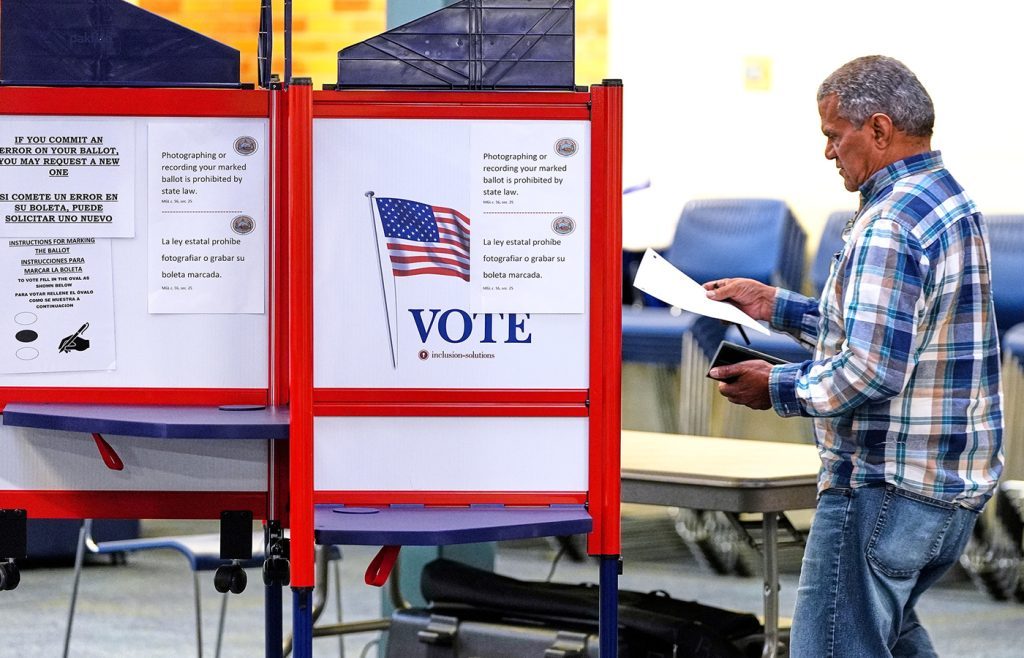
As voters prepare to cast their ballots, they are carrying these safety and economic concerns with them into the voting booth. They are tired of being told that their anxiety over rising crime is merely an exaggeration. They are demanding a return to common sense. They want prosecutors who prosecute, judges who enforce the law, and lawmakers who are smart on crime.
The polling data make one thing abundantly clear: Americans have not given up on safe streets, and they are looking for leaders who deliver them. Crime is not a peripheral issue on the ballot, because prosperity simply cannot exist without public safety.
John Koufos is a former criminal trial attorney and is now a consultant advising the private and public sectors on technology, healthcare, and justice issues. He has tried complex organized crime and gang cases, worked with the Trump administration on the First Step Act, and regularly assists law enforcement leaders around the country to advance smart-on-crime policies. Follow John on X @JGKoufos or at www.cottagefour.com
Continue reading...
[ H/T Washington Examiner ]