


Certain professions of our ancestors have disappeared, leaving only family names as traces: think Carter, Smith, and Thatcher. And there are people making a living today in ways that didn’t exist 20 years ago: “content creator,” or OnlyFans model. A rare few of them make a good living.
Dutch woman Vera Dijkmans made the news recently when she was arrested on arrival at Newark Airport and taken into U.S. Immigration and Customs Enforcement detention.
It soon emerged that she had entered the United States with a visitor’s visa, which allows a 6-month maximum stay and does not allow a foreigner to work. She reportedly arrived in 2024 and significantly overstayed her allowed time, while working by creating and posting photos and videos for money on social media.
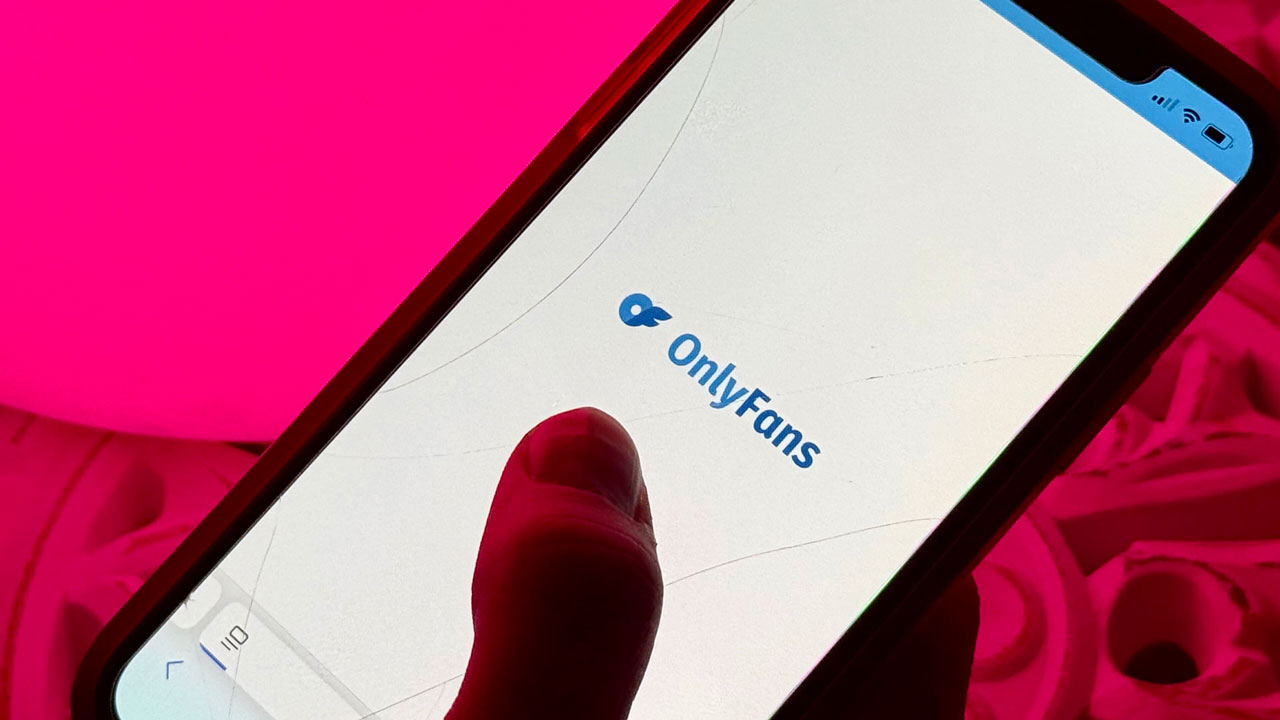
Dijkmans reportedly has 6 million followers on Instagram and 875,000 on OnlyFans (no, I will not post a link here) which is a platform that allows “creators” to post “content” to fans, who pay them money and tips. As often happens with internet platforms, OnlyFans has largely devolved into a site for performers to make money by posting risqué or pornographic content.
Dijkmans’ B1/B2 visitor’s visa allowed her to visit Disney World, but not to earn money taking and posting photos and videos of herself at Disney World–a subtle distinction. But the case raises interesting questions, in the age of high mobility and internet platforms hosted in multiple countries.
Creating “content” for social media is a form of work not imagined when U.S. immigration law was drafted. For the few who make a living so doing, it is done at multiple locations all over the world. Is the work done at the time of the photo shoot, or publication? Is the money earned when it is paid by the fans, or accepted by the creator? What if she took photos or video in the U.S. but did not post them until she was home in the Netherlands? Would she have technically “worked” here?
Dijkmans did a lot of work around the Ultimate Fighting Championship circuit. Her family said she had come from Miami, where she appeared to have been living, to New York to attend a UFC event at Madison Square Garden and “create content with fighters.” That sounds pretty clearly like work, from which she would make money.
There are special visas that allow performers to come here and earn money, which is how performers from Abba to Led Zeppelin did it–but Dijkmans did not have one of those. Some “performers” get an O-1 visa, which U.S. Citizenship and Immigration Services says is for:
The individual who possesses extraordinary ability in the sciences, arts, education, business, or athletics, or who has a demonstrated record of extraordinary achievement in the motion picture or television industry and has been recognized nationally or internationally for those achievements.
This category was written into law in 1990, so its drafters could not have imagined it would ever be granted to virtual sex workers. For truly successful “content creators,” O1 visas are perhaps the most logical category. But whereas the bar for performers of “recognized nationally or internationally” can be put to some kind of test, how does one measure fame on the internet? How many followers is enough? U.S. government adjudicators are having to figure this out.
To get an O-1 visa, an American sponsor–for example, a concert promoter or opera company–must file a petition with U.S. Citizenship and Immigration Services.
If that petition is approved, the alien can then apply at an overseas U.S. embassy or consulate. Consular officers then decide if the applicant is really qualified before they issue the visa to allow them to travel. Sometimes, the alien misrepresents their level of fame and success enough to fool a USCIS adjudicator in America, but not a consular officer and fraud team located in the alien’s own country, who have better knowledge of who’s who locally.
There were 50% more O-1 visas issued in 2024 than a decade before. Individual visa cases are not public, so we can’t say how many have been granted to “adult” performers. An immigration lawyer quoted in Newsweek tells his clients to “keep a good track of their social media analytics… how many subscribers…and how much they get in tips.”
A San Diego lawyer said he successfully obtained a visa for a client in 2020 who made $250,000 a month off OnlyFans.
As to Dijkmans, the reason for her arrest and immigration detention seems clear; she was using a tourist visa to work illegally. She reportedly had applied for but hadn’t yet obtained a green card, which would have allowed her to work legally. Less clear is why the Department of Homeland Security didn’t just let her go home on the next flight to the Netherlands.
Detention serves no one’s interest unless it is required because the alien is fighting removal. There is an angry army of immigration enforcement “abolitionists” and opportunist politicians looking for any sympathetic case to malign hard-working ICE officers with. But perhaps allowing a social media influencer to enjoy the hospitality of Newark’s Delaney Hall detention center will have a salutary effect on others who might think of working illegally.
Continue reading...
[ H/T The Daily Signal ]